News Summary
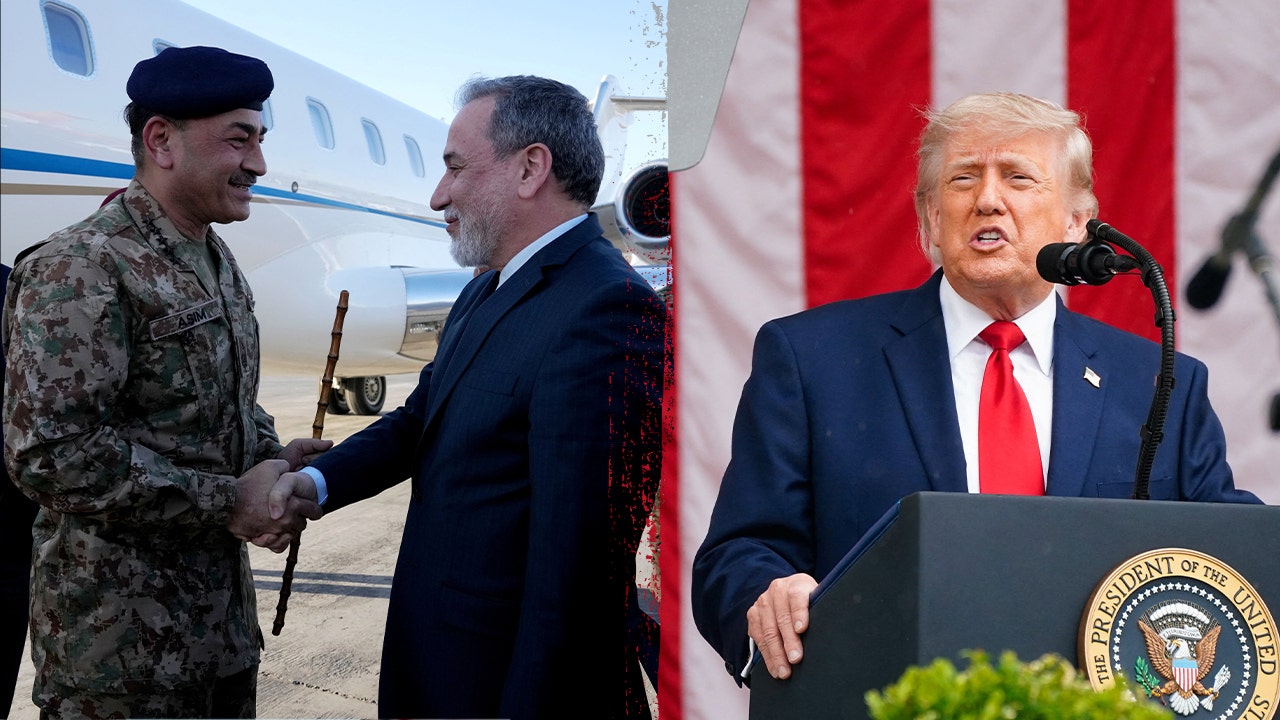
Pakistan’s army chief, Field Marshal Asim Munir, has taken on a visible intermediary role in recent diplomatic contacts aimed at preventing renewed military confrontation involving Iran. U.S. officials, including senior administration figures, have engaged with Munir and Pakistan’s civilian leadership as part of talks to reduce tensions. Some U.S. lawmakers and analysts expressed distrust of Pakistan’s motives and raised allegations — denied by Islamabad — that Iranian military aircraft may have been sheltered on Pakistani territory during the conflict. The article recounts longstanding elements of U.S.-Pakistan friction: the 2011 bin Laden raid that bypassed Pakistani cooperation, past accusations that elements of Pakistan’s security establishment tolerated or supported militant groups, Pakistan’s nuclear proliferation history through A.Q. Khan, and Pakistan’s historical pursuit of strategic leverage in Afghanistan. It also notes Pakistan’s argument that it suffered violence and instability after aligning with the U.S. post-9/11. Analysts cited in the article say Pakistan is attempting to rehabilitate its image by positioning itself as a stabilizing regional actor and that Pakistan and Qatar have emerged as complementary channels for diplomacy in the current crisis. U.S. political reactions are divided, with President Trump praising Pakistan’s mediation even as some Republican senators voiced skepticism about Islamabad’s reliability.
Biblical Reflection
This story highlights the tension between pragmatic diplomacy and moral clarity. The factual pattern is clear: nations with complicated records can still be useful channels for de-escalation. The article emphasizes past Pakistani actions that bred U.S. mistrust and highlights current accusations that Islamabad sheltered Iranian assets, while also recording Pakistan’s denials and its stated costs from prior partnerships with the U.S. Christians should weigh two truths together: the need for honest assessment and accountability, and the biblical call to seek peace where possible. The reporting leans heavily on U.S. security sources and critics; that focus can produce a worldview centered on realpolitik and national security, which may underrepresent Pakistani civilian perspectives and the human costs Pakistan has borne. A faithful Christian response resists simple binaries — ally vs. adversary — and scrutinizes sources and motives while supporting carefully limited diplomacy that protects innocent lives. We should hold leaders to truth and accountability, pray for impartial verification of allegations, and welcome efforts that lower the chances of wider conflict, remembering that pursuing peace sometimes requires engaging imperfect partners.
Scripture in context
This outlook does not yet include contextual Scripture citations. Do not treat a general biblical theme as an exegetical conclusion.
Faithful Response
No prescribed response is offered. Consider the reflection prompts below in your own church context.
Reflection and Discussion
- 1Are we accepting accusations or denials at face value, or are we asking what independent evidence would resolve these claims?
- 2How does a security-first framing shape our view of foreign partners, and what perspectives (civilian, humanitarian) might that framing leave out?
- 3When an imperfect actor offers a route to de-escalation, how should strategic necessity be balanced with calls for transparency and justice?
Sources
Reporting links are evidence inputs; Sanctuary News' biblical reflection is commentary.
This outlook currently relies on fewer than two linked sources. Broaden verification before teaching from it.
- 1.Original reportprimary