News Summary
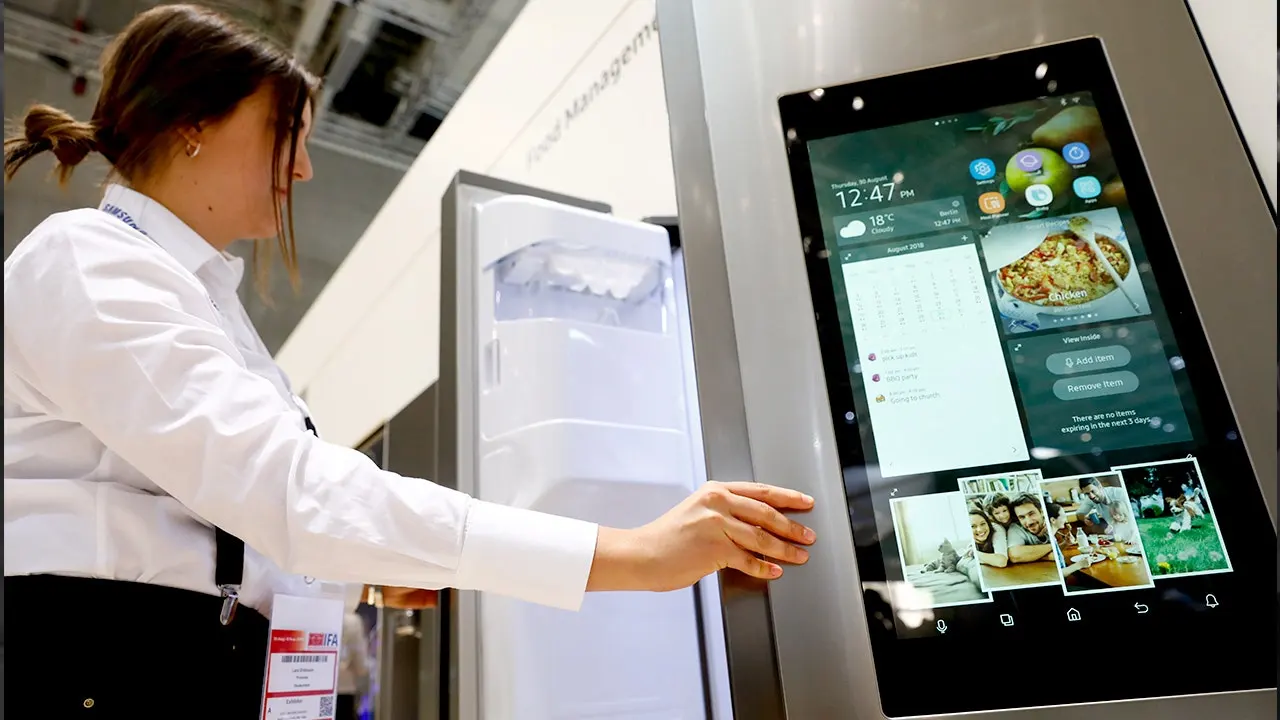
Smart consumer devices — refrigerators, vehicle infotainment systems and personal computers — have been updated to display advertising or promotional messages after purchase. Samsung says it piloted and then launched a Cover Screen widget on some Family Hub refrigerators that rotates weather, news, calendar items and curated ads; Samsung states users can disable the Cover Screen widget (Settings > Advertisements > Cover screen Ads) and that the widget does not appear on certain themes. Stellantis confirms it used in-vehicle messaging (IVM) in Uconnect for both safety notices and earlier promotional pop-ups but says it has not run promotional in-vehicle messages since mid-fall 2025 and that owners could opt out at the time by contacting customer service or updating account message settings. Windows 11 can surface promotional content through Windows Spotlight, the Start menu and account notifications; Microsoft did not comment for this article. The article’s central point is that software updates allow companies to change screens on products after sale, which raises questions about ownership, privacy and the default experience; it advises consumers to check settings, opt-outs and post-update changes.
Biblical Reflection
This story highlights a growing tension between two competing models: products as one-time purchases and products as ongoing monetized services. From a Christian perspective, several concerns stand out. Truth: companies should be transparent about post-sale changes and make opt-outs clear and accessible, not buried. Mercy and neighbor-love: in-vehicle promotions raise a safety concern because dashboards serve critical driving functions; treating a vehicle’s interface primarily as ad space can endanger attention and trust. Stewardship: Christians are called to steward resources wisely — that includes protecting our attention, privacy and the use of things we’ve bought. The underlying worldview driving these changes is an attention-and-revenue-first logic that monetizes every screen and moment, often assuming consent through dense user agreements. The article fairly reports examples and company responses but centers consumer annoyance and practical fixes rather than exploring legal standards, regulatory solutions or long-term safety research. Practically, the faithful response combines discernment (read settings and terms), courage (ask companies and regulators for clearer rights), and humility (recognize beneficial updates like security fixes while resisting manipulative upsells).
Scripture in context
This outlook does not yet include contextual Scripture citations. Do not treat a general biblical theme as an exegetical conclusion.
Faithful Response
No prescribed response is offered. Consider the reflection prompts below in your own church context.
Reflection and Discussion
- 1How does the shift from hardware-as-product to hardware-as-service change what it means to 'own' something, and who should decide how that item is used after purchase?
- 2Are companies being clear and honest about the trade-offs they introduce with software updates, or do dense settings and defaults effectively substitute for consent?
- 3When technology choices affect safety (for example, vehicle displays), whose responsibility is it to set limits: the manufacturer, regulators, or the individual consumer?
Sources
Reporting links are evidence inputs; Sanctuary News' biblical reflection is commentary.
This outlook currently relies on fewer than two linked sources. Broaden verification before teaching from it.
- 1.Original reportprimary