News Summary
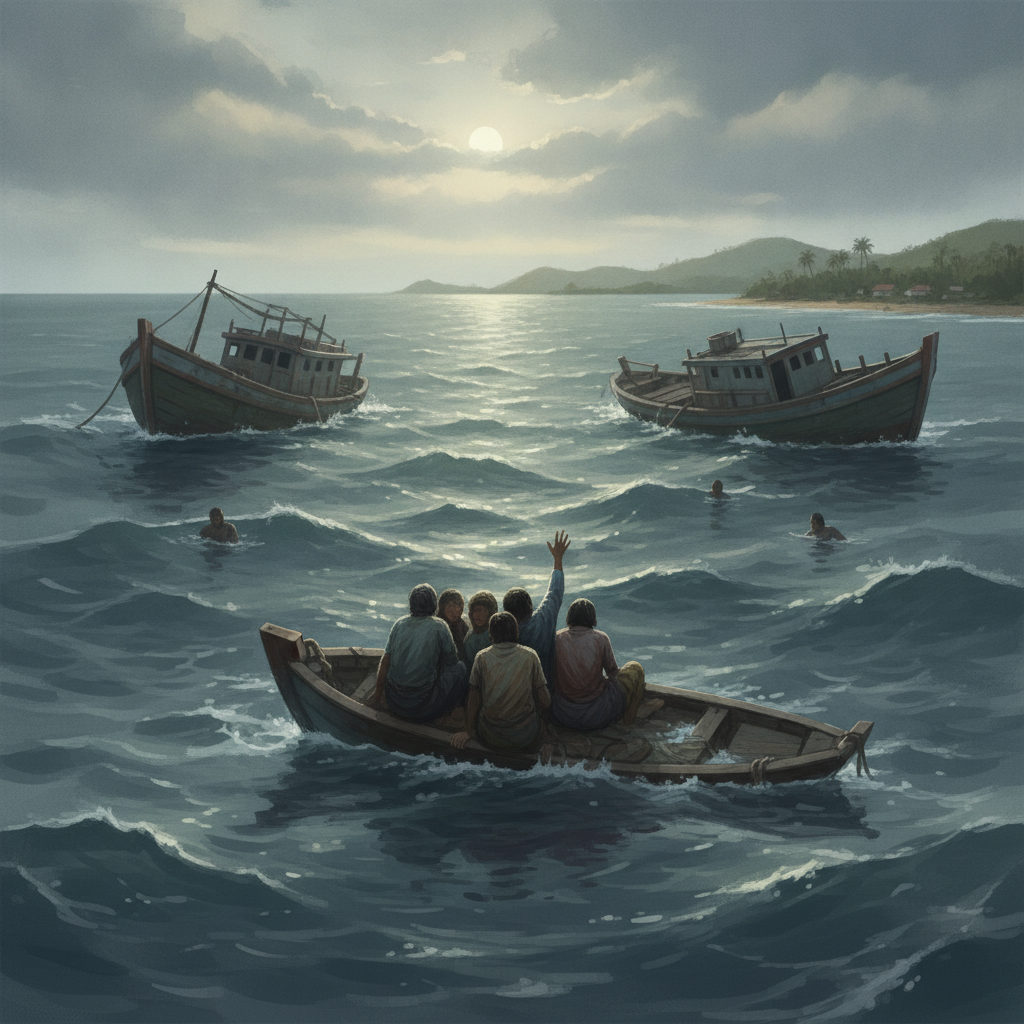
Reported facts: UN News reports that two boats reportedly capsized off Myanmar’s coast in recent days and that there is growing concern for at least 500 people believed to have been aboard. Attributed claims: the numbers and the circumstances are presented as reports and beliefs rather than confirmed facts. Uncertainty: the article does not give exact locations, times, passenger identities, confirmation from Myanmar authorities, details of rescue/recovery operations, or corroboration from additional independent sources.
Source and Framing Analysis
The story is drawn from a single UN News report that uses cautious language ("reported", "believed", "growing concern"). That framing signals incomplete verification; the piece provides a high-level alert rather than on-the-ground detail. Material uncertainties (exact location, who was aboard, rescue status) affect both the humanitarian response needed and how confident readers should be about the casualty count.
Biblical Reflection
This brief report calls us first to lament and pray for those affected and their families. The article is concise and cautious in language (using "believed" and "reported"), which signals uncertainty; Christians should therefore avoid amplifying unconfirmed casualty figures while still responding with compassion. The likely human tragedy underscores care for vulnerable people, the moral responsibility of governments and communities to protect those at sea, and the church’s calling to practical mercy, advocacy for safer conditions, and sustained support for survivors and bereaved.
Scripture in context
- 1Luke 10:25-37 (Parable of the Good Samaritan) — This parable is told in response to a question about 'who is my neighbor.' In its first-century setting it upends expectations about who offers mercy and who is counted as a neighbor. — The story calls Christians to active compassion across ethnic, social, and geographic lines: when we encounter human need—even at sea or far away—we are to be the ones who stop, bind wounds, and provide care rather than pass by.
- 2Matthew 8:23-27 (Jesus calms the storm) — Jesus and his disciples face a life-threatening storm on the Sea of Galilee; his calming of the storm demonstrates authority over nature and calls his followers to trust amid danger. — This passage speaks both to the fear associated with maritime peril and to the comfort Christians find in Christ's presence amid danger; it shapes a posture of prayerful dependence and courageous action when lives are at risk on the water.
Faithful Response
Pray specifically for victims, survivors, rescuers, and bereaved families; incorporate lament and intercession into personal and congregational prayer times.
Support reputable humanitarian organizations operational in the region rather than sending uncoordinated aid; prioritize groups with maritime search-and-rescue or survivor-care capacity.
Resist sharing unconfirmed figures; check for official or multiple independent confirmations before amplifying casualty counts.
Engage local church networks to offer pastoral care, material support, or long-term resettlement assistance if survivors reach local communities.
Reflection and Discussion
- 1How does Christ’s compassion call me to respond when distant tragedies reach my awareness—through prayer, giving, or advocacy?
- 2Am I careful to avoid amplifying unverified casualty claims, and how can I cultivate discernment when sharing news?
- 3What long-term commitments (not just one-time relief) should the church consider to care for people made vulnerable by maritime danger?
Sources
Reporting links are evidence inputs; Sanctuary News' biblical reflection is commentary.
This outlook currently relies on fewer than two linked sources. Broaden verification before teaching from it.
- 1.More than 500 people feared dead in double Myanmar shipwreck tragedyofficial_document