News Summary
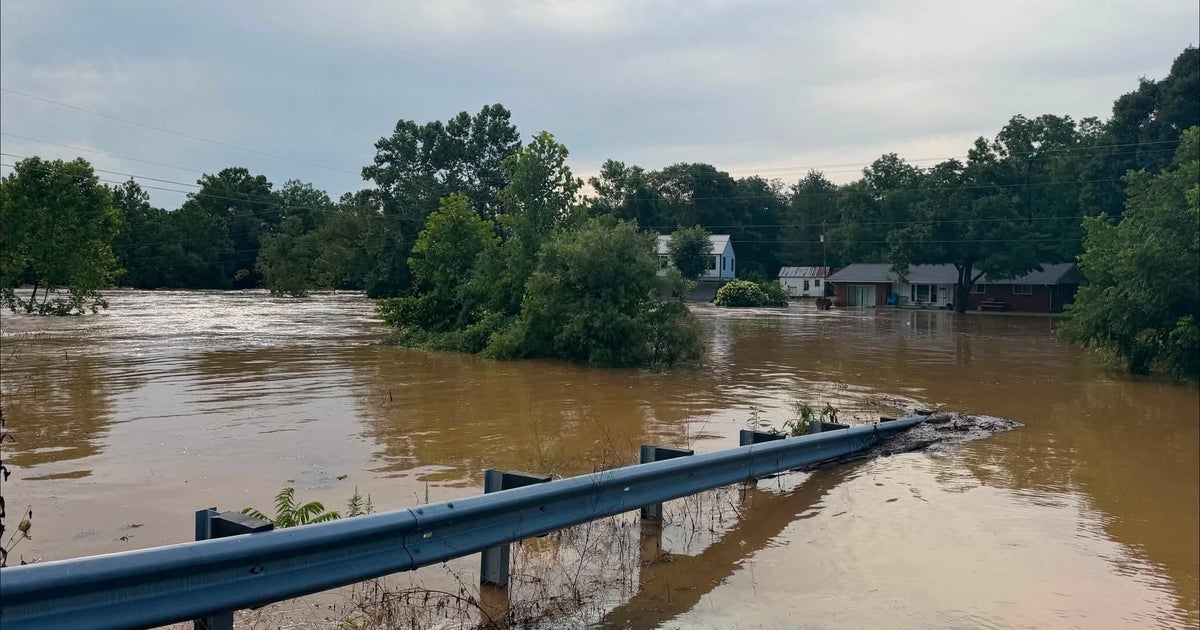
Between 6 and 12 inches of rain fell in southeastern Missouri, producing flash flooding across several counties (Crawford, Iron, Madison, Reynolds and Wayne). Roads into parts of the region were cut off. The Missouri National Guard used eight Black Hawk helicopters to airlift 202 campers and counselors from Camp Taum Sauk in Lesterville, Reynolds County. Additional rescues included three people pulled from trees on the Black River and others who sought higher ground after camp structures were compromised; one building at a riverside campground partially collapsed. Officials reported no major injuries or fatalities at the time of reporting, though a woman in Crawford County was missing after her house was swept from its foundation. The National Weather Service warned of continuing flash flood danger and forecast the Black River to crest at record levels near Annapolis; state officials urged residents to remain weather-aware and prepared for additional rain.
Biblical Reflection
This report centers on a severe local weather event and a coordinated public-safety response. The facts presented are straightforward: unusually heavy rainfall caused dangerous, rapidly rising waters that trapped recreational visitors and damaged roads and structures. The article’s emphasis on rescue efforts and official warnings reflects a practical concern for immediate safety rather than partisan framing. From a Christian pastoral perspective, the story highlights human vulnerability and the Gospel-call to neighbor-love — first responders risking safety to save others models courage, service, and compassion. At the same time, Christians should think critically about broader implications: are communities and infrastructure prepared for increasing extreme events, and how might churches and congregations better care for vulnerable neighbors when disasters strike? Avoid turning rare-event language (for example, “1-in-1,000-year”) into fatalism — such terms describe probability, not moral judgment. The faithful response is to praise and support those who serve, grieve with those who have lost, offer practical aid, and advocate for wise stewardship and preparedness that protect the most vulnerable.
Scripture in context
This outlook does not yet include contextual Scripture citations. Do not treat a general biblical theme as an exegetical conclusion.
Faithful Response
No prescribed response is offered. Consider the reflection prompts below in your own church context.
Reflection and Discussion
- 1How does the coverage balance praise for heroic rescue with attention to prevention, preparedness, and long-term community resilience?
- 2Are we interpreting terms like “rare” or “record” in ways that lead to constructive planning, or to resignation and blame?
- 3Where can churches and faith communities mobilize to support recovery and reduce vulnerability before the next extreme event?
Sources
Reporting links are evidence inputs; Sanctuary News' biblical reflection is commentary.
This outlook currently relies on fewer than two linked sources. Broaden verification before teaching from it.
- 1.Original reportprimary