News Summary
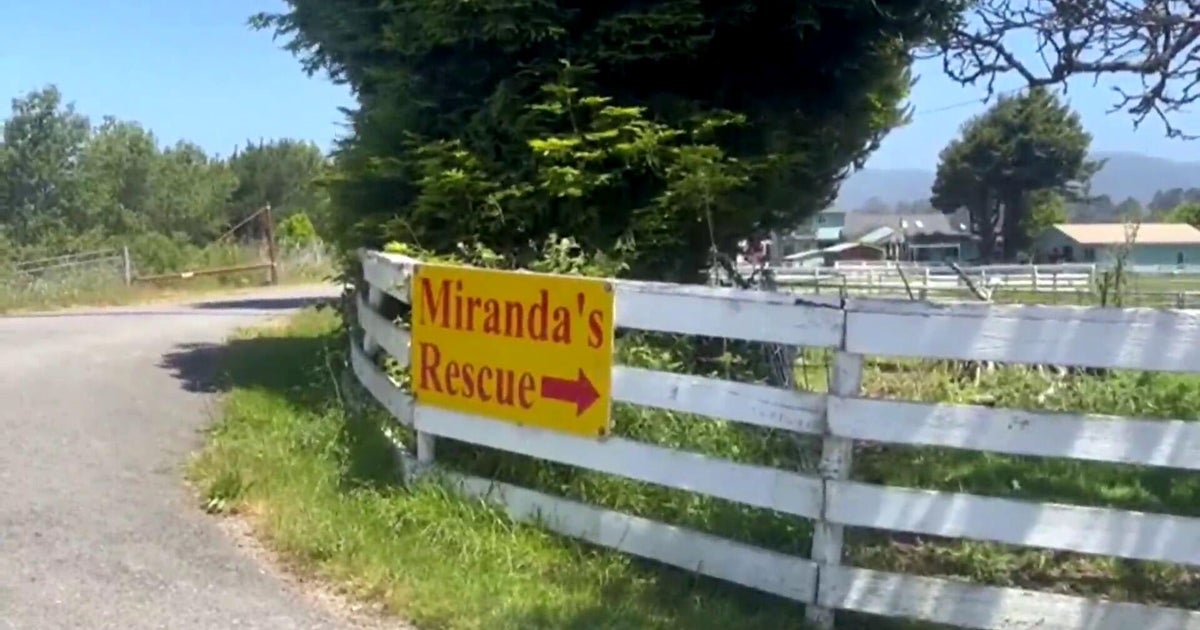
The Humboldt County Sheriff's Office opened an investigation into Miranda's Rescue in Fortuna after receiving allegations of felony animal abuse, animal cruelty, fraud and conspiracy. An initial search warrant at the 50-acre property was served May 1 and investigators returned June 23 with a second warrant to dig and search buildings. Detectives unearthed the intact remains of 117 dogs from two dig sites, found the skulls of 21 dogs, hundreds of bones, six loose microchips and about 600 dog collars in a barn area where investigators believe dogs were killed. Seventy dogs were X-rayed on site; many showed evidence of bullet fragments. Forensic veterinarians and the USDA examined 70 of the dogs and preliminarily determined many deaths were caused by gunshot wounds. Most of the recovered remains were microchipped and are being processed for identification. Authorities say Miranda's Rescue accepted more than 900 animals from shelters across California over the last five and a half years; about 100 animals have been documented as adopted and roughly 730 are presently unaccounted for. Miranda's Rescue has posted statements calling itself a no-kill rescue and denying operations as a money-making scheme, saying euthanasia was used only in rare circumstances; the organization had not provided additional comment to CBS as of the report. No criminal charges have been filed; the sheriff's office is continuing evidence processing and witness interviews and will forward the case to the district attorney if sufficient evidence is found. A news conference was scheduled by the sheriff's office.
Biblical Reflection
This story raises profound moral and pastoral concerns. If the allegations are true, this would be egregious cruelty and a grave failure to protect vulnerable creatures entrusted to human care; the Christian moral imagination calls for strong action to defend the defenseless and pursue justice. At the same time, prudence requires restraint in public judgment until investigators complete their work and prosecutors review the evidence—Christian love does not equate to rushing to condemnation without due process. The reporting shows institutional and systemic questions beyond individual wrongdoing: oversight of rescue operations, transparency to donors and surrendering owners, and how licensing, inspections, and record-keeping may have failed. Christians should press for both truth and accountability while resisting sensationalism and rumor: insist on thorough, timely investigations, let the legal process run its course, and support reunification and care efforts for affected pet owners. Practically, the church can respond by advocating for stronger protections for animals, offering pastoral care to grieving owners and volunteers, supporting reputable shelters, and encouraging stewardship and oversight in charitable giving so that mercy is paired with accountability.
Scripture in context
This outlook does not yet include contextual Scripture citations. Do not treat a general biblical theme as an exegetical conclusion.
Faithful Response
No prescribed response is offered. Consider the reflection prompts below in your own church context.
Reflection and Discussion
- 1What structural gaps (oversight, reporting, record-keeping, donor accountability) allowed a rescue to operate with little external review, and how should communities respond?
- 2Are we allowing emotion and social media outrage to outpace facts, or are we holding both victims and due process in balance?
- 3How can churches and Christian organizations better support ethical stewardship of animals and care for people traumatized by cruelty?
Sources
Reporting links are evidence inputs; Sanctuary News' biblical reflection is commentary.
This outlook currently relies on fewer than two linked sources. Broaden verification before teaching from it.
- 1.Original reportprimary