News Summary
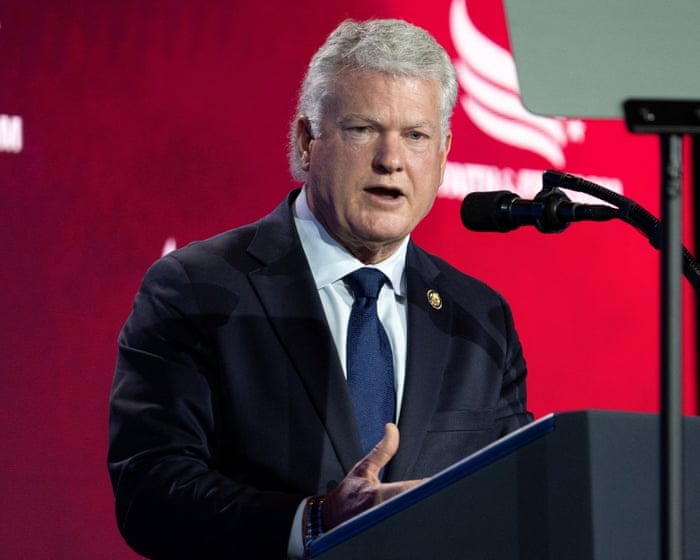
The Guardian reports that Senator Jon Ossoff publicly condemned a report that a former staffer for Mike Collins, a Trump‑backed Republican Senate challenger in Georgia, shared online images that allegedly included a swastika and photographs of the poster in Ku Klux Klan robes. Ossoff called the report “disgraceful and disqualifying,” described it as “stunning,” and said it “should shock the conscience of every Georgian.” The article frames these as allegations and notes this episode as part of wider scrutiny of people in Collins’s orbit; it does not publish the images, name the former staffer, or include a response from Collins or the alleged poster in the supplied excerpt.
Source and Framing Analysis
Primary source: The Guardian. The article attributes strong moral language to Senator Ossoff and specifies the alleged nature of the imagery (a swastika and KKK robes). Framing: the piece uses qualifying language ("allegedly," "report") and situates the incident within an ongoing pattern of scrutiny around people associated with Mike Collins. Limitations and uncertainties in the reporting include (1) lack of the original images or direct links to them in the supplied text, (2) the former staffer is not named in the excerpt, (3) no response or denial from Mike Collins or his campaign is included, and (4) the provenance and independent corroboration of the alleged posts are not provided. These omissions mean the article credibly reports an allegation and a political reaction but leaves evidentiary and context questions open.
How sources covered this story
Sanctuary separately assesses reporting quality and alignment with Christian virtues. The virtues assessment considers truthfulness, dignity, compassion, justice, peacemaking, humility, and care for vulnerable people. It does not assess a publisher's faith or reward religious language.
Compare 1 reports
Reporting 72/100Virtues 78/100
- Distinctive contribution
- Names the nature of the alleged imagery (swastika, depiction in Ku Klux Klan robes) and records Ossoff’s quoted characterization of the report as “stunning” and “should shock the conscience of every Georgian.”
- Framing
- Presents the story with condemnatory language (‘‘disgraceful and disqualifying,’’ ‘‘stunning,’’ ‘‘should shock the conscience’’) and situates it as part of an ongoing pattern (saying Collins has been ‘‘dogged by associations to white nationalism and antisemitism’’).
- Omissions or uncertainty
- The excerpt does not name the former staffer, provide direct evidence or links to the alleged images, indicate the original source of the report, or include any response or denial from Mike Collins or his campaign.
- Why these scores
- Concise and specific: it attributes a quoted reaction to a named public official and lists concrete allegations. However, the excerpt lacks sourcing for the alleged images, does not identify the staffer, and omits any response from the accused campaign, limiting completeness and balance. The excerpt condemns racist and antisemitic imagery—aligning with truth, human dignity, and justice—and amplifies a public official’s moral condemnation. It does not dehumanize individuals, but it lacks restorative context or attention to process (e.g., verification, responses), so while ethically responsible in opposing hate, it is not fully expansive in compassion or peacemaking dimensions.
Biblical Reflection
Racism, antisemitism, and the celebration of extremist symbols violate the fundamental Christian conviction that every person is made in God's image and therefore bears inherent dignity. Public leaders and their staffs face higher ethical expectations; when credible evidence points to dehumanizing or violent ideology, Christians should support transparent accountability. At the same time, Christian witness requires resisting partisan rushes to judgment: pursue truth with integrity, protect the vulnerable, and preserve due process so that accusations are not weaponized. Faithful discipleship calls for condemning hatred plainly, seeking justice where wrongdoing is established, and practicing humility and restraint when facts remain incomplete. The church's civic engagement should prioritize protection of marginalized neighbors, truthful inquiry, and the common good over partisan advantage.
Scripture in context
- 1Genesis 1:26–27 — The creation narrative establishes the theological basis for human dignity. — This passage undergirds the Christian refusal to tolerate dehumanizing symbols and rhetoric; because every person bears God's image, words and images that demean or celebrate others' subjugation must be opposed.
- 2Micah 6:8 — A prophetic summons to act with justice, love mercy, and walk humbly. — This text helps shape a balanced Christian response: insist on justice for those harmed, extend mercy where appropriate, and proceed with humility in public judgments and civic participation.
Faithful Response
Practical, faith‑shaped guidance for Christians responding to this report: (1) Pray for victims of hatred and for truth to be established. (2) Seek verified information before sharing allegations; support independent investigation and transparency from campaigns or institutions. (3) Speak clearly against racist and antisemitic imagery and rhetoric while avoiding personal vilification of individuals before facts are confirmed. (4) Hold public officials and their staffs to ethical standards—advocate for appropriate accountability when wrongdoing is demonstrated. (5) Provide pastoral care to communities targeted or harmed, and work with local organizations that promote racial justice and de‑radicalization. (6) Resist partisan tribalism: combine moral courage in condemning hatred with mercy, truth‑seeking, and peacemaking where possible.
Reflection and Discussion
- 1How does the conviction that every person is made in God's image shape how we respond to allegations of racist or extremist symbolism connected to public officials?
- 2What standards of evidence, transparency, and due process should Christians insist upon when public servants or their staff are accused of dehumanizing conduct?
- 3In what concrete ways can congregations provide care and solidarity to neighbors harmed by racist or antisemitic imagery while avoiding partisan escalation?
- 4How can we hold leaders accountable for associations or oversight failures without descending into retaliatory character assassination?
Sources
Reporting links are evidence inputs; Sanctuary News' biblical reflection is commentary.
This outlook currently relies on fewer than two linked sources. Broaden verification before teaching from it.
- 1.Georgia senator Jon Ossoff slams racist posts allegedly from Republican opponent’s ex-stafferprimary_reporting