News Summary
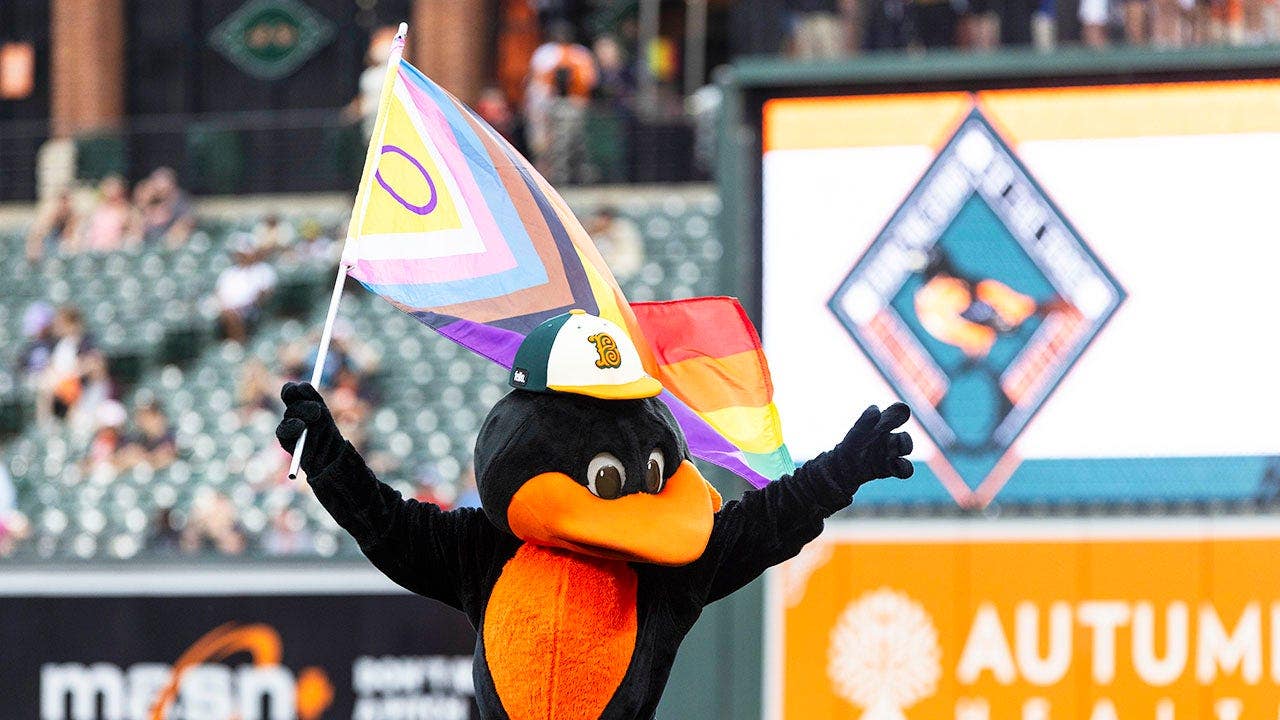
A conservative sports commentary reported that the Baltimore Orioles used their mascot image instead of a player photo on the team's starting lineup graphic during a Pride Night game, and noted other Pride-related elements at the ballpark (a drag performer on the field who splashed fans with water, costumed attendees, Pride banners, and a Pride logo painted on the field). The piece raised questions about whether players declined to be pictured or whether the team chose the mascot deliberately. The article also referenced a related controversy involving four San Francisco Giants players who wrote Bible verses on rainbow hats during a prior Pride event, the league's response to that action, criticism from public figures (including Kayleigh McEnany), comments from MLB commissioner Rob Manfred about communication, and political attention including Senator Josh Hawley and Department of Justice involvement reported elsewhere. A former MLB player (Raffy Lopez) was cited supporting players' public expressions of faith. The original piece mixes reporting of facts with opinionated commentary and rhetorical questions about the Orioles' motives.
Biblical Reflection
From a Christian pastoral perspective, this story highlights tensions between public expressions of faith and evolving cultural celebrations in public institutions like sports teams. The article's core claim—that the Orioles avoided showing a player photo to sidestep a faith-versus-Pride conflict—is speculative; no direct evidence of motive is presented, and the piece uses provocative language and selective comparisons that reveal a partisan framing. Truth-seeking Christians should note the difference between documented facts (what was shown at the game and what people said) and inference about intent. Ethically, Christians must defend religious conscience and the right of players to express faith, but do so without inflaming division or assuming bad motives. Pastorally, pursue both truth and mercy: press for transparent explanations from institutions when appropriate, advocate for religious freedom, and engage those who differ with humility and love. Also be wary of media that bundles unrelated cultural elements to provoke outrage; discernment requires checking original sources, avoiding rumor, and prioritizing constructive witness over cultural scoring.
Scripture in context
This outlook does not yet include contextual Scripture citations. Do not treat a general biblical theme as an exegetical conclusion.
Faithful Response
No prescribed response is offered. Consider the reflection prompts below in your own church context.
Reflection and Discussion
- 1Are we treating a lack of public explanation as proof of ill intent, or should we ask for clear information before concluding motive?
- 2How do we balance advocating for religious expression with the call to love and respect those who celebrate different identities?
- 3Does the media framing push us toward cultural victory or toward faithful, peaceful witness in a plural public square?
Sources
Reporting links are evidence inputs; Sanctuary News' biblical reflection is commentary.
This outlook currently relies on fewer than two linked sources. Broaden verification before teaching from it.
- 1.Original reportprimary