News Summary
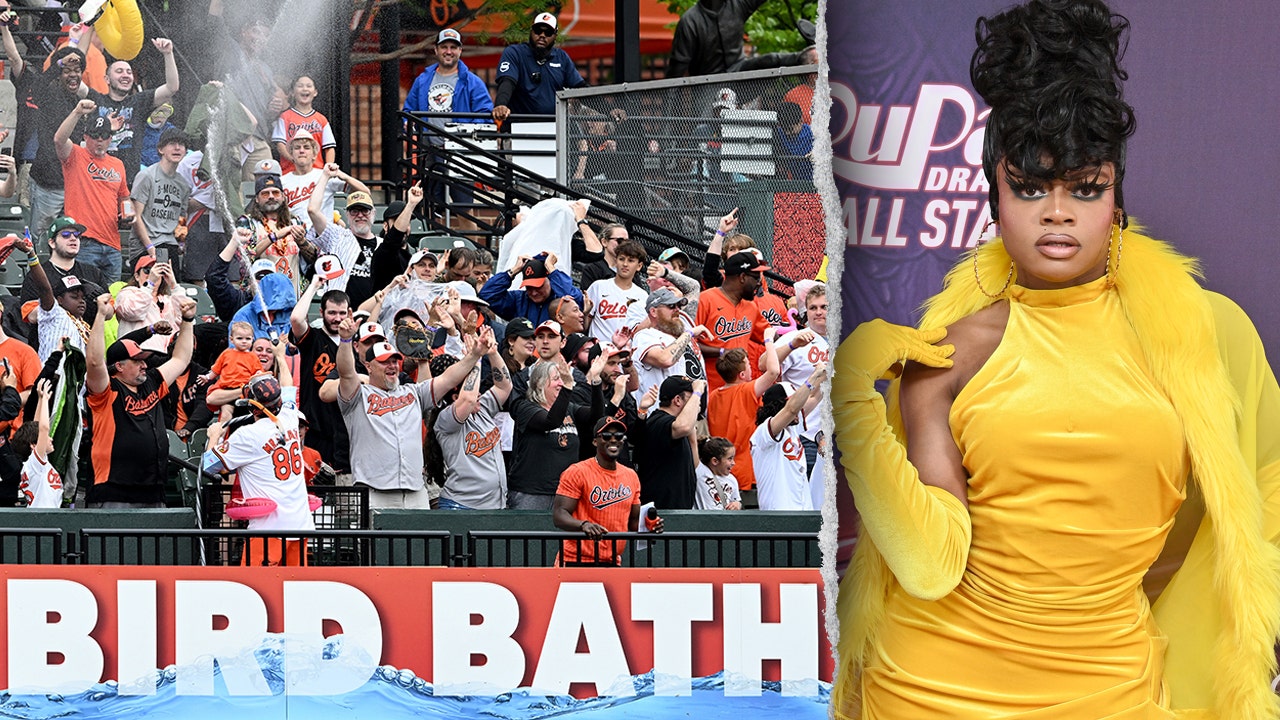
The Baltimore Orioles announced that drag performer Heidi N Closet will serve as the Guest Splasher in the Bird Bath splash zone during Pride Night at Camden Yards. The Bird Bath is a left-field splash attraction that sprays fans and sits adjacent to the Orioles' Under Armour Kids Home Run Porch, a kids-only area. The Orioles are promoting Pride Night broadly, including Pride jerseys, pregame activities, merchandise, and transit incentives. Social media users and commentators criticized the decision as inappropriate given the proximity to child-focused areas. The article also references a recent San Francisco Giants Pride Night dispute in which some pitchers wrote Bible verses on Pride-themed caps and MLB issued an oral warning under its uniform policy; the Department of Justice later opened an inquiry into possible religious discrimination. Commentators cited in the article include Kayleigh McEnany criticizing MLB for perceived inconsistent standards and former MLB catcher Raffy Lopez discussing support for players expressing faith.
Biblical Reflection
From a Christian pastoral perspective this story raises two overlapping concerns: how public institutions steward communal spaces that include children, and how cultural institutions handle competing claims of identity and conscience. The Orioles' choice to feature a drag performer in a prominent, family-used attraction is an exercise of free association and marketing by a private sports franchise; supporters see inclusion and welcome, while critics see an inappropriate mixing of adult-themed performance aesthetics with child-focused areas. The broader MLB context — players expressing religious convictions and the league's uniform enforcement — shows inconsistent public responses to religious expression versus other expressions of identity. The article's tone and framing lean toward provocation and moral alarm, emphasizing controversy over constructive engagement. Christians should weigh competing goods: the call to love and welcome neighbors (including those who identify as LGBTQ+) and the responsibility to protect and thoughtfully guide children's exposure to public messages. We should also be cautious about adopting the outrage framing of the piece: not every instance of public expression is an attack on faith, but neither should concerns about children's formation be dismissed. The faithful response includes truth-telling about convictions, humility in public rhetoric, and mercy toward people on all sides — resisting caricature and seeking fair, concrete conversation about policy (where it applies), parental choice, and community standards.
Scripture in context
This outlook does not yet include contextual Scripture citations. Do not treat a general biblical theme as an exegetical conclusion.
Faithful Response
No prescribed response is offered. Consider the reflection prompts below in your own church context.
Reflection and Discussion
- 1Are similar forms of expression being judged by the same standards, or do our reactions reveal inconsistency in how we treat religious versus cultural speech?
- 2When public institutions stage identity-focused events, how do we discern between legitimate inclusion, marketing, and the pastoral responsibility to younger attendees?
- 3Is our public response shaped more by a desire for constructive dialogue or by the momentum of outrage and tribal signaling?
Sources
Reporting links are evidence inputs; Sanctuary News' biblical reflection is commentary.
This outlook currently relies on fewer than two linked sources. Broaden verification before teaching from it.
- 1.Original reportprimary