News Summary
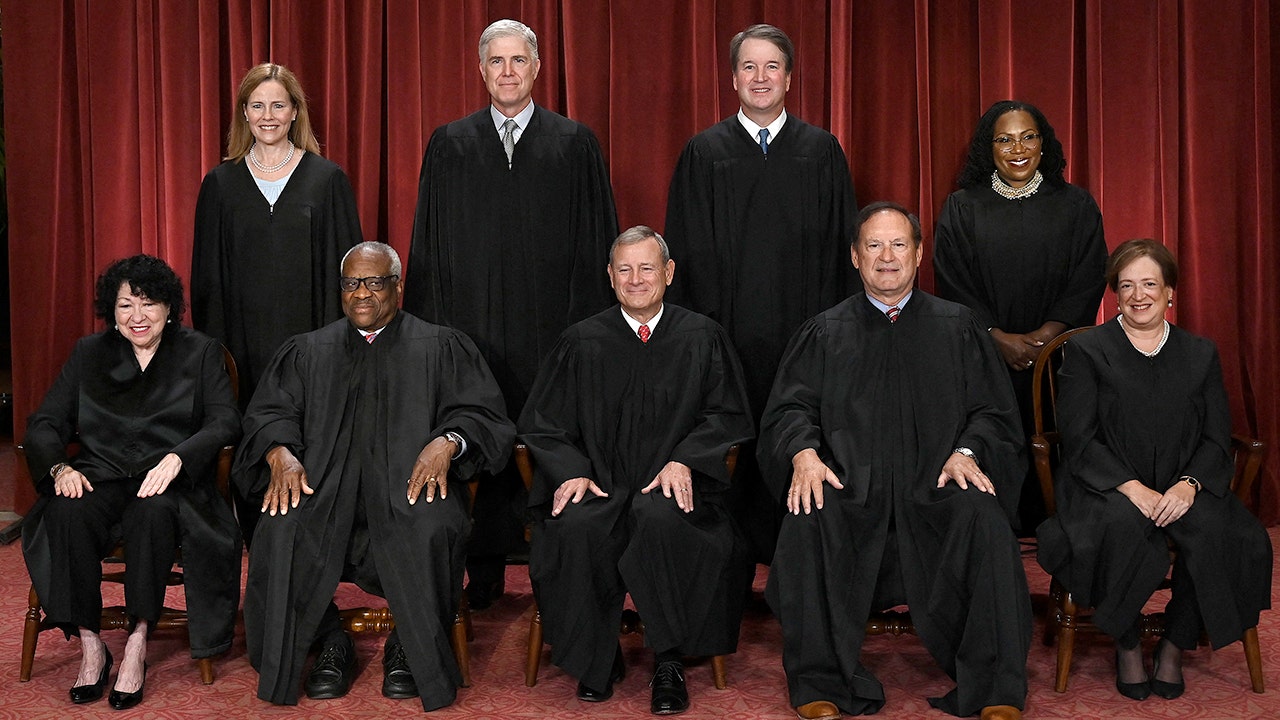
This is an opinion column by Pastor Corey Brooks published on Fox News. Brooks addresses the U.S. Supreme Court ruling in Louisiana v. Callais, describing it as a limitation on using race as the overriding factor in drawing congressional districts and a narrowing of how Section 2 of the Voting Rights Act is applied. He states the decision did not repeal the Voting Rights Act or remove anyone’s right to vote. Brooks criticizes commentators and activists who labeled the ruling as a gutting of voting rights, calling those reactions exaggerated and accusing some advocates of profiting from racial grievance. He argues that reliance on race-based districting treats Black citizens as dependent on specially drawn districts and that moving toward race-neutral districting promotes equal citizenship and broader political power gained through organizing and coalition-building. The column notes Brooks’s background as founder and CEO of Project H.O.O.D. and references his past activism in Chicago.
Biblical Reflection
The piece is an opinion shaped by a clear theological and political perspective: it affirms the dignity of Black Americans while arguing for a color-blind, civic approach to political power. As pastoral guidance, recognize three realities. First, the column rightly emphasizes human dignity and the call for people to exercise agency, organize, and participate in civic life — these are consistent with Christian convictions about vocation and neighbor-love. Second, because this is an opinion, readers should be careful about factual claims left unexamined: legal rulings are complex, and whether a change in doctrine will expand or reduce effective political representation for marginalized communities is an empirical question that requires evidence and careful study, not only rhetoric. Third, the article’s sharp language toward critics and its portrayal of motives (e.g., “charlatans,” “grievance industry”) risks reducing complex policy debates to moral caricature. A faithful Christian response resists demonizing opponents and seeks truth with humility, defends the vulnerable, and pursues justice that restores community. In practice that means listening to affected communities, examining data about electoral consequences, and holding both activists and institutions accountable to the twin demands of mercy and truth.
Scripture in context
This outlook does not yet include contextual Scripture citations. Do not treat a general biblical theme as an exegetical conclusion.
Faithful Response
No prescribed response is offered. Consider the reflection prompts below in your own church context.
Reflection and Discussion
- 1Which concrete evidence should we examine to know whether limiting race-based districts will increase or decrease meaningful political representation for minority communities?
- 2Where does the piece rely on persuasion or caricature rather than facts, and how does that affect our judgment about both the ruling and its critics?
- 3How can Christians hold both a commitment to equal treatment under law and a compassionate concern for communities that have historically lacked access to political power?
Sources
Reporting links are evidence inputs; Sanctuary News' biblical reflection is commentary.
This outlook currently relies on fewer than two linked sources. Broaden verification before teaching from it.
- 1.Original reportprimary