News Summary
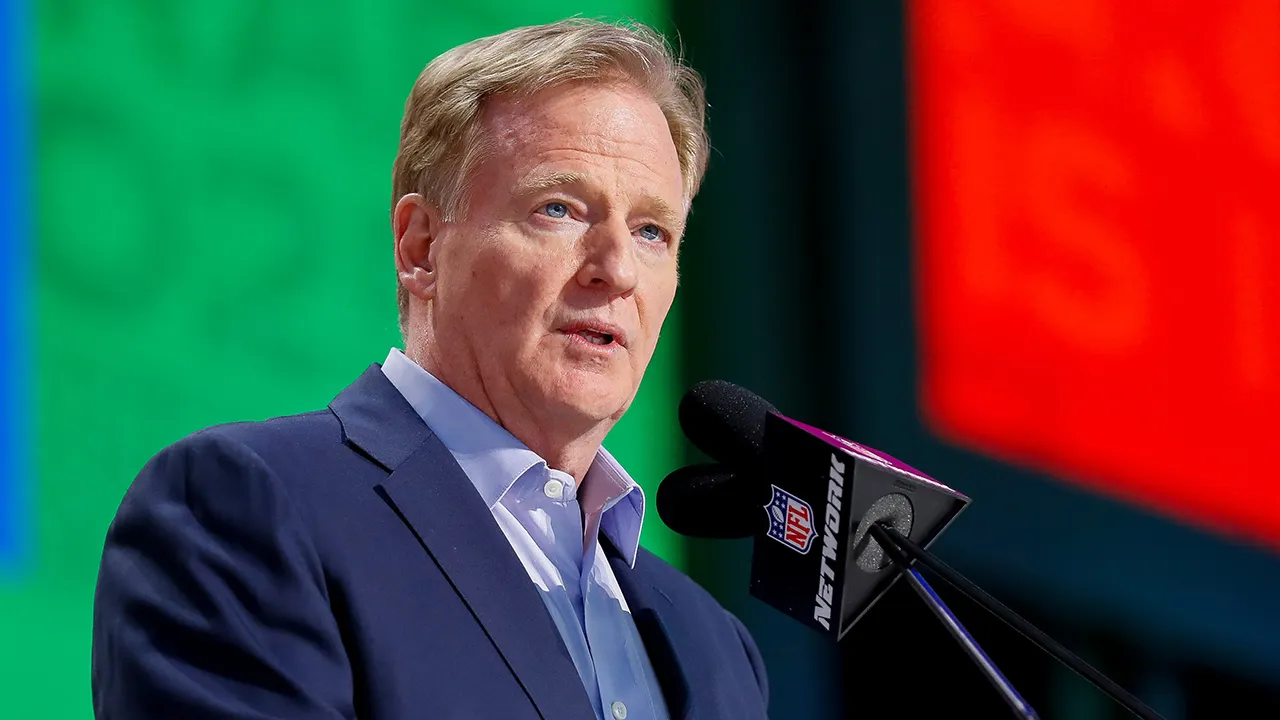
The 2026 NFL Draft begins Thursday in Pittsburgh. The article is an opinion piece arguing that the draft is uninteresting television—described as a multi-day, press-conference-style production with extended analysis, frequent repetition, and long pauses between picks. The writer cites that nearly 14 million people watched the draft in 2025 and suggests that widespread sports betting and prediction markets have increased viewer interest because money is wagered on outcomes. The piece points to the three-day format (257 picks) as overly long and reminds readers that many high draft picks do not become long-term stars, giving examples from the 2021 draft (Zach Wilson, Trey Lance, Mac Jones, Jaycee Horn, Caleb Farley) alongside successful picks (Ja’Marr Chase, Micah Parsons). The article includes characterization of Commissioner Roger Goodell being booed at past drafts and frames the draft as emblematic of the NFL’s dominance and the influence of gambling on audience behavior.
Biblical Reflection
This is an opinion column that mixes factual points (viewer numbers, draft format, examples of successful and unsuccessful picks) with strong evaluative language and generalizations. From a Christian perspective, several strands are worth noticing. First, the piece raises a legitimate cultural concern: when pastimes depend on or are amplified by gambling, that can encourage greed, poor stewardship of resources, and exploitative commercial incentives. Scripture consistently warns about the love of money and about avoiding habits that enslave (1 Timothy 6:10; 1 Corinthians 6:12). Second, the writer’s tone is largely dismissive and hyperbolic—calling the draft “one of the worst” events and asserting gambling is the principal driver of viewership—claims that overstate causal connections without robust evidence. Christians should practice discernment toward strong rhetoric: separate verifiable facts (ratings, draft length) from opinion and moralizing. Third, the piece exposes cultural tendencies worth spiritual reflection: a hunger for entertainment that can become idolatrous when it consumes time, attention, or resources better devoted elsewhere (Colossians 3:2; Matthew 6:24). Finally, avoid sliding into condescension toward fellow believers or neighbors who enjoy sports; charity and humility matter. The faithful response is careful discernment—recognizing when a cultural practice points to deeper issues (gambling, addiction, consumerism) and responding with wisdom, compassion, and personal and communal stewardship rather than mere condemnation.
Scripture in context
This outlook does not yet include contextual Scripture citations. Do not treat a general biblical theme as an exegetical conclusion.
Faithful Response
No prescribed response is offered. Consider the reflection prompts below in your own church context.
Reflection and Discussion
- 1What claims in the article are verifiable (ratings, draft format) and which are interpretive leaps (that gambling is the main reason people watch)?
- 2How does the growing role of betting and prediction markets reshape our assessment of popular entertainment, and what spiritual risks does that pose for individuals and communities?
- 3When media coverage uses moralizing or mocking language about cultural practices, how can Christians respond with discernment and humility rather than reflexive approval or dismissal?
Sources
Reporting links are evidence inputs; Sanctuary News' biblical reflection is commentary.
This outlook currently relies on fewer than two linked sources. Broaden verification before teaching from it.
- 1.Original reportprimary