News Summary
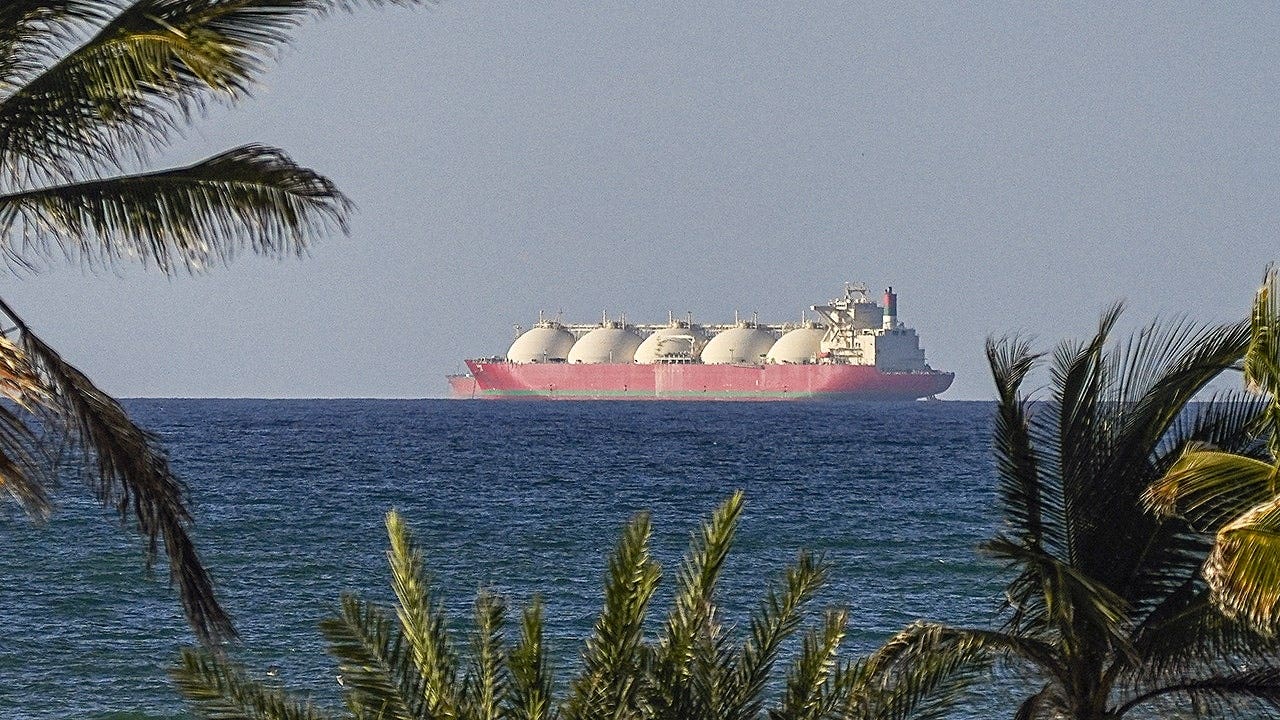
This is an opinion column by Ali Shihabi published by Fox News arguing that the Strait of Hormuz is a global economic artery and must not be allowed to be controlled or regulated by Iran. The author warns that any U.S. concession allowing Iran to impose restrictions, fees, inspections, or selective passage would set a lasting precedent for weaponizing maritime choke points. The piece emphasizes the heavy reliance of Asian markets (China, India, Japan, South Korea) on oil and LNG transiting Hormuz and outlines downstream risks to power generation, fertilizer production, manufacturing, food security, and global inflation. The author argues that a primarily military response is insufficient or counterproductive because militarization raises commercial costs and can effectively close the strait. Instead, he advocates for a pre-prepared, automatic, and comprehensive economic quarantine against Iran — cutting off oil purchases, shipping services, insurance, port access, banking channels, petrochemical trade, barter arrangements and third-country facilitation — and stresses that major energy consumers, including China, India, Japan and South Korea, must participate for the measures to be effective. The column frames acceptance of restrictions as a strategic defeat for the United States and a signal to other revisionist states.
Biblical Reflection
The article expresses a national-security realist worldview focused on deterrence by economic means and preserving free transit for global commerce. It raises legitimate concerns about the real economic ripple effects that a closure or controlled access of Hormuz would have, especially on energy-dependent countries and vulnerable populations. As an opinion piece, it advances a clear policy preference (comprehensive sanctions including major energy consumers) and assumes that coordinated global economic coercion is both feasible and morally justified to prevent regional coercion. From a Christian perspective, there are several tensions to note: the desire to protect the common good (stable supplies, food and energy security) aligns with biblical concern for caring for the vulnerable (e.g., those who would suffer from food and fuel shortages). At the same time, the piece downplays the humanitarian costs of broad economic quarantines and the moral complexity of imposing measures that can deepen suffering in civilian populations. Christians should also be wary of unexamined assumptions of national self-justification — the idea that ends (global stability) automatically justify sweeping means (near-total economic isolation that could harm ordinary people). The Bible calls for wise, prudent stewardship and peacemaking; prudent defense and deterrence can be legitimate, but they must be balanced with compassion, truthfulness about likely costs, accountability for unintended harm, and sustained efforts at diplomacy. Finally, recognize the article’s vantage point (a Fox News opinion column by a Saudi author) and its persuasive purpose: it advocates a particular policy, so readers should weigh feasibility, likely international responses (including whether China would join such a regime), and the potential for escalation alongside the moral imperatives to protect innocent life and pursue peace.
Scripture in context
This outlook does not yet include contextual Scripture citations. Do not treat a general biblical theme as an exegetical conclusion.
Faithful Response
No prescribed response is offered. Consider the reflection prompts below in your own church context.
Reflection and Discussion
- 1What assumptions about power, feasibility, and the moral acceptability of economic coercion shape the author’s recommendations, and how might those assumptions obscure likely humanitarian consequences?
- 2Who would bear the costs of a comprehensive sanctions/quarantine regime in practice — combatants, elites, or ordinary civilians — and how should concern for the vulnerable influence policy choices?
- 3How can Christians hold together the call to pursue peace (peacemaking, diplomacy) with the responsibility to protect the common good and deter injustice without allowing national interest to become an idol?
Sources
Reporting links are evidence inputs; Sanctuary News' biblical reflection is commentary.
This outlook currently relies on fewer than two linked sources. Broaden verification before teaching from it.
- 1.Original reportprimary