News Summary
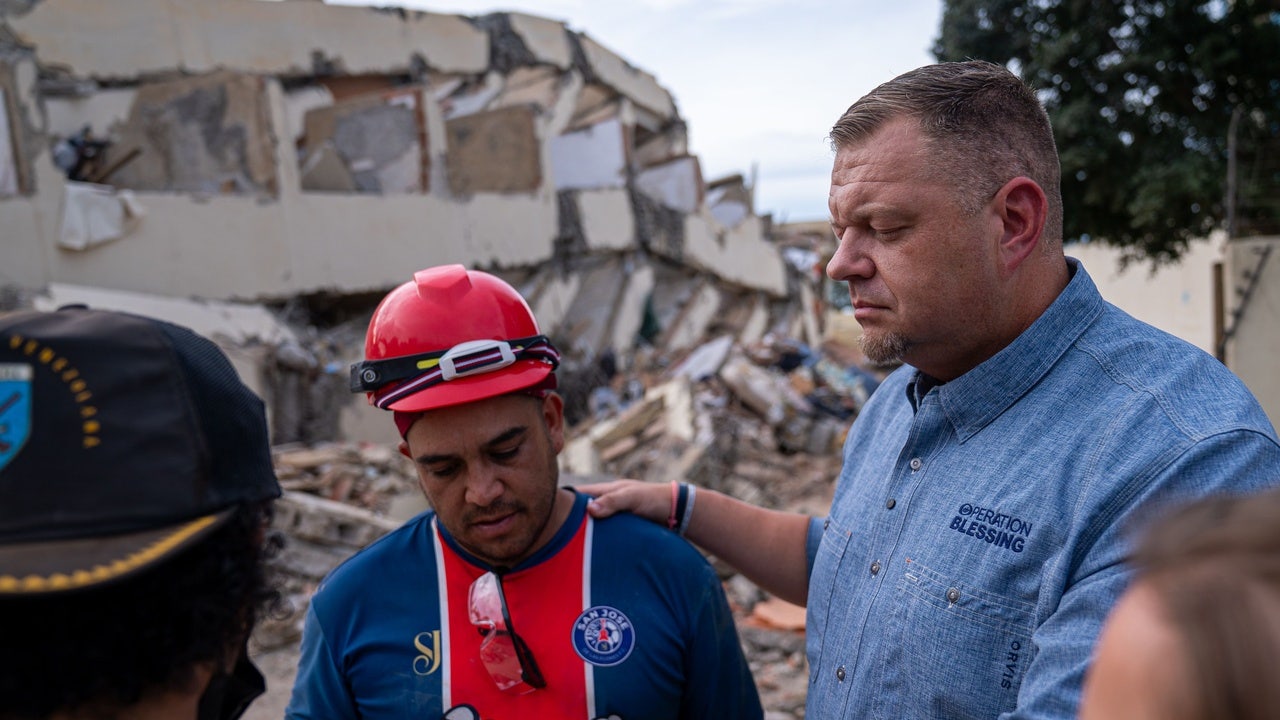
Drew Friedrich, president of the humanitarian group Operation Blessing, traveled to Venezuela after back-to-back earthquakes in 2026 that authorities say killed more than 2,200 people. Friedrich reports that his team operated an industrial kitchen that prepared tens of thousands of hot meals, distributed emergency supplies through churches and volunteers, and assisted search-and-rescue efforts in communities where many first responders were Venezuelan residents and volunteer taxi drivers who traveled long distances to help. The article includes an account of a security guard rescued after eight days under rubble. Friedrich describes widespread community generosity and gratitude toward aid workers, and notes that recovery will be measured in years, referencing long-term displacement remaining from the 1999 Vargas disaster. He addresses critics who argued Americans should not send aid because of Venezuela's government, urging readers to separate politics from the immediate humanitarian needs and encouraging continued volunteering and donations.
Biblical Reflection
The piece is an on-the-ground opinion account urging compassion and continued aid for earthquake survivors. Its central moral argument—distinguishing people in need from the policies of their government—aligns with Christian commitments to mercy and neighbor-love. As an eyewitness advocacy piece, it naturally emphasizes personal stories of resilience and gratitude; readers should note that such narratives can understate the logistical, legal, and political complexities of delivering aid in a country with governance challenges. The article's intent is pastoral and mobilizing rather than investigative: it calls for mercy, sustained attention, and charitable action, while downplaying systemic causes and long-term policy questions. A faithful Christian reading affirms the call to serve suffering neighbors, but also pairs immediate compassion with sober stewardship, accountability, and attention to structural recovery needs so aid honors truth and promotes durable flourishing.
Scripture in context
This outlook does not yet include contextual Scripture citations. Do not treat a general biblical theme as an exegetical conclusion.
Faithful Response
No prescribed response is offered. Consider the reflection prompts below in your own church context.
Reflection and Discussion
- 1Are we willing to distinguish the dignity of people in suffering from the political systems that govern them, and how does that affect our willingness to help?
- 2Does this account focus on immediate relief at the expense of discussing long-term recovery, and what responsibilities should donors and churches assume for durable rebuilding?
- 3How might stories of gratitude and resilience shape our view of a nation, and what additional information would we need to understand the full ethical and logistical picture of providing aid there?
Sources
Reporting links are evidence inputs; Sanctuary News' biblical reflection is commentary.
This outlook currently relies on fewer than two linked sources. Broaden verification before teaching from it.
- 1.Original reportprimary