News Summary
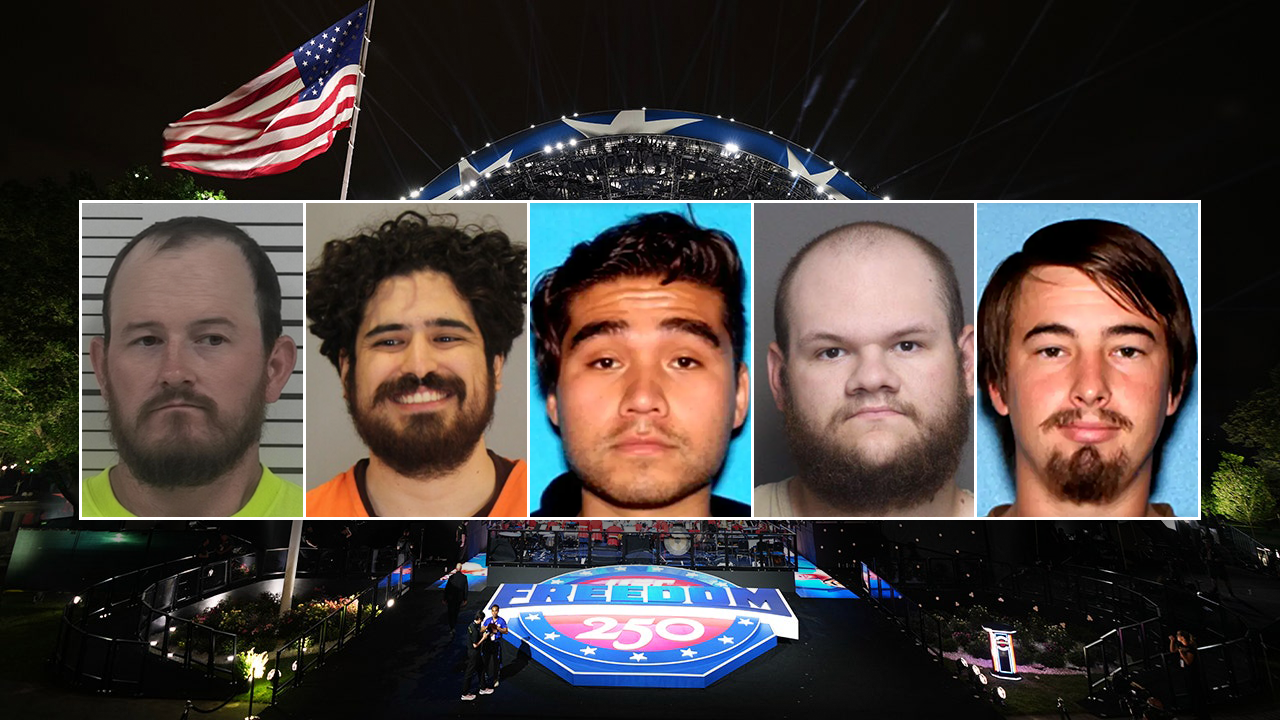
Federal authorities disrupted an alleged multi-phase plot targeting the UFC Freedom 250 event held at the White House; investigators identified nearly two dozen people connected to the scheme and arrested five suspects: Tycen C. Proper, Bryan Omar Roa, Michael Alan Thomas, Daniel K. Eskridge, and Abraham Hermosillo Alvarez. According to court filings, participants met in online communities, moved conversations to encrypted messaging apps, and discussed using explosive-laden drones to create panic and positioning snipers to target officials and attendees. Prosecutors allege role assignments, purchasing plans for drones and charges, and operational planning beyond online rhetoric. The article situates this case within a pattern of recent U.S. investigations linking online networks and encrypted chats to alleged ISIS-inspired and anti-government plots (including a Halloween plot and an incident near Gracie Mansion), and cites law enforcement and former agents describing how social-media spaces and encrypted apps can validate grievances, assign roles, and accelerate movement from rhetoric to operational planning.
Biblical Reflection
The report documents a real and serious threat: online networks can and have facilitated coordination toward violent ends. From a Christian perspective, the facts call for a measured response that upholds both truth and justice — supporting law enforcement efforts to protect the vulnerable and public life — while resisting simple scapegoating or panic. The article largely presents law-enforcement claims and examples, but sometimes blends distinct cases and ideologies in a way that can imply a single cause; readers should note that radicalization pathways vary and are often mixed with mental-health struggles, social isolation, ideological manipulation, and technological amplification. Spiritually, this story exposes how loneliness, anger, and a search for identity can be exploited; the church and Christian communities are called to offer truthful counsel, accountable relationships, and compassionate intervention that address root causes without excusing wrongdoing. At the same time, citizens should demand responsible platform stewardship, transparent investigations, and justice that is firm yet merciful toward repentant individuals.
Scripture in context
This outlook does not yet include contextual Scripture citations. Do not treat a general biblical theme as an exegetical conclusion.
Faithful Response
No prescribed response is offered. Consider the reflection prompts below in your own church context.
Reflection and Discussion
- 1How might media focus on dramatic cases obscure the varied personal, social, and ideological causes behind radicalization?
- 2What responsibilities do families, churches, schools, and tech platforms share in noticing early signs and providing belonging that counters violent narratives?
- 3Are public responses balancing the need for security with care for youths who may be vulnerable to manipulation rather than hardened perpetrators?
Sources
Reporting links are evidence inputs; Sanctuary News' biblical reflection is commentary.
This outlook currently relies on fewer than two linked sources. Broaden verification before teaching from it.
- 1.Original reportprimary