News Summary
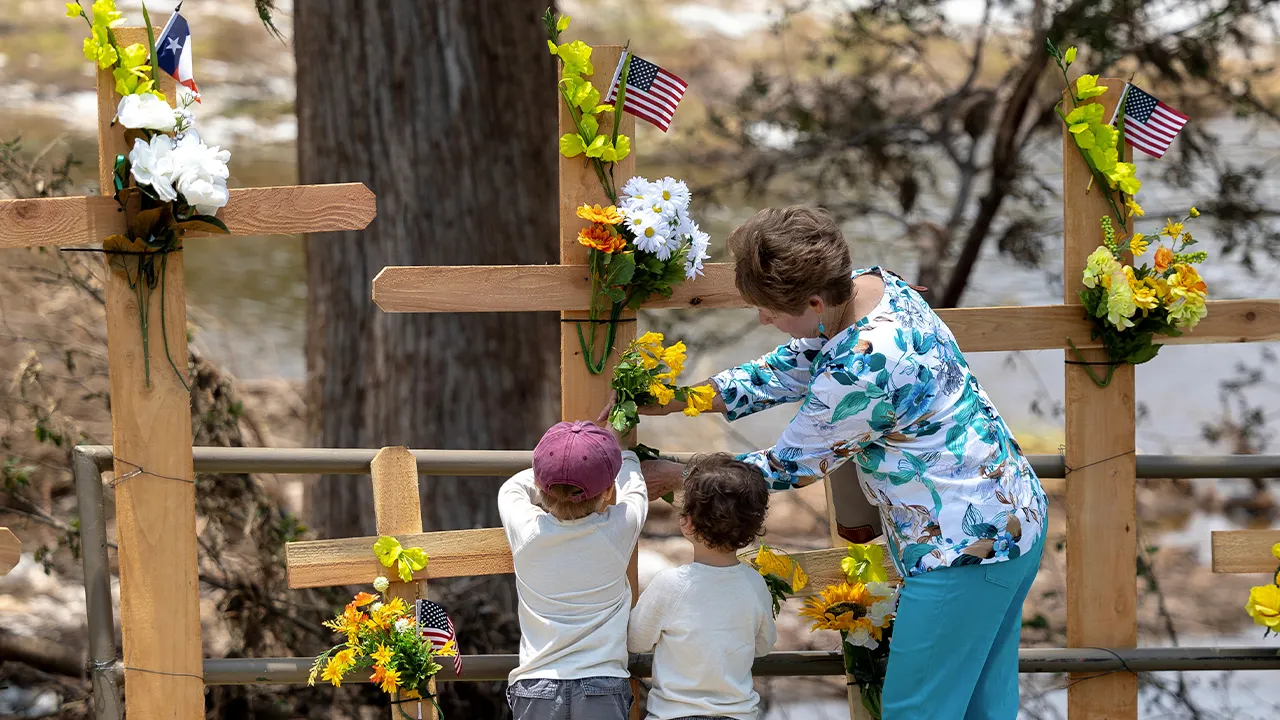
On July 4, 2025, flash flooding struck the Texas Hill Country overnight; the event resulted in 139 confirmed deaths across the region, including 119 in Kerr County. The article, written by Austin Dickson, CEO of the Community Foundation of the Texas Hill Country, recounts the first-year aftermath: search-and-rescue efforts, volunteer and church involvement, and local, state, and national relief donations (including more than $7 million raised through a Fox Corporation campaign). It reports that most affected families have returned to permanent housing, many businesses have reopened, local sales tax collections rose for nine consecutive months, and mental-health and grief services have been expanded. The piece emphasizes ongoing grief, uneven recovery, continuing unanswered questions for some families, and the long-term nature of rebuilding homes and community life.
Biblical Reflection
This account highlights two Gospel truths: human vulnerability to sudden loss and the powerful witness of neighborly love when people serve steadily over time. The article's core narrative—grief alongside patient, communal rebuilding—is consistent with observable facts about disasters and recovery. Readers should note the piece is an opinion-style account from a local foundation CEO and includes mention of a media-led fundraising campaign, which frames the relief response positively; independent verification of claims like the exact share of families fully rehoused or the distribution of funds would be prudent. Theologically, the story invites Christians to resist quick fixes and short attention spans: salvation of souls is not separated from acts of mercy, and honest compassion requires long-term presence, advocacy for the marginalized in recovery, and attention to unseen wounds (mental health, grief, and justice in assistance). Beware of narratives that celebrate resilience in a way that obscures remaining needs; true neighbor-love combines praise for courage with ongoing care and accountability so that no one is overlooked.
Scripture in context
This outlook does not yet include contextual Scripture citations. Do not treat a general biblical theme as an exegetical conclusion.
Faithful Response
No prescribed response is offered. Consider the reflection prompts below in your own church context.
Reflection and Discussion
- 1Who is still missing from the recovery narrative, and what structural barriers might keep some families from truly rebuilding?
- 2How does the emphasis on local grit and rapid fundraising shape our perception of what long-term recovery requires (resources, policy, mental-health care)?
- 3Are we celebrating resilience in ways that let governments, insurers, or institutions off the hook for sustained support and justice?
Sources
Reporting links are evidence inputs; Sanctuary News' biblical reflection is commentary.
This outlook currently relies on fewer than two linked sources. Broaden verification before teaching from it.
- 1.Original reportprimary