News Summary
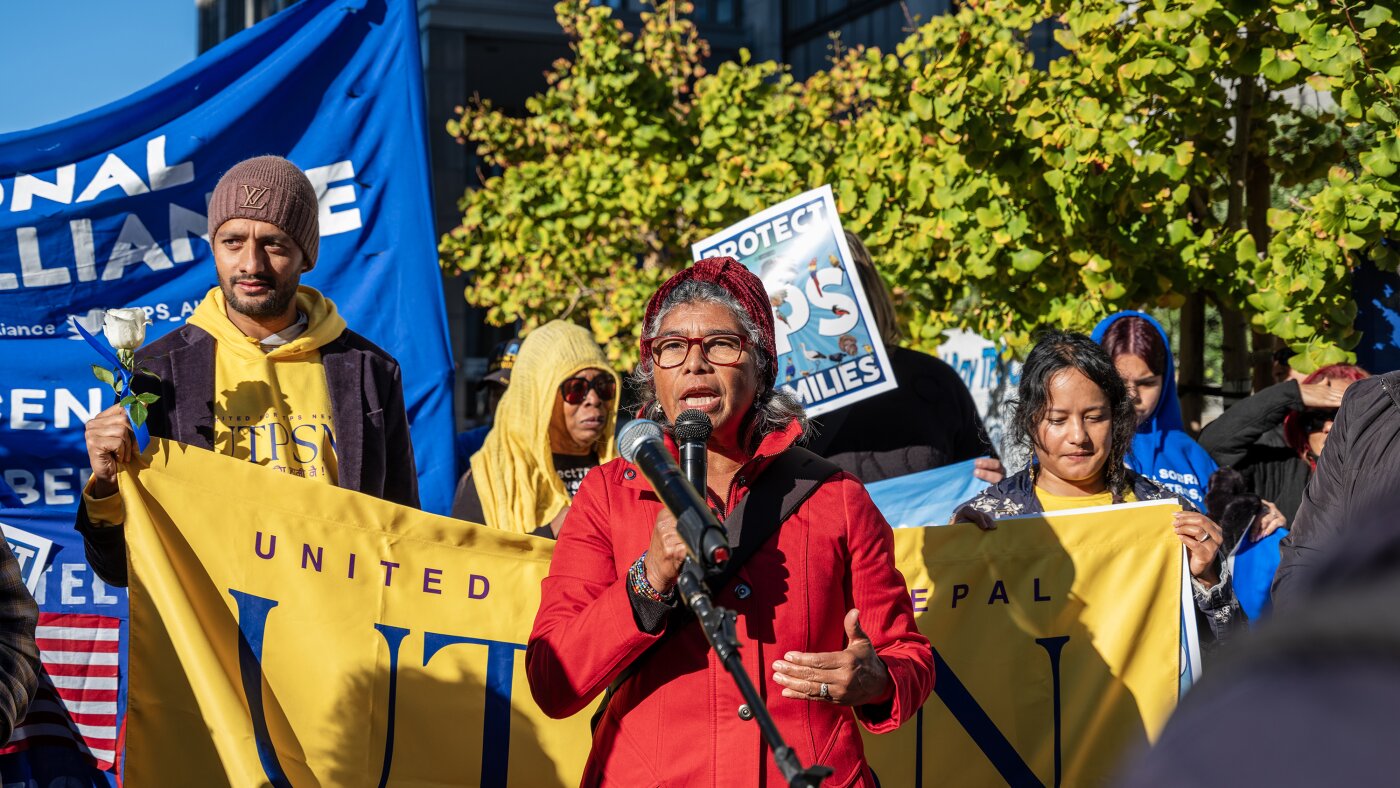
Rosa María Carranza, a 67-year-old Salvadoran temporary protected status (TPS) holder and longtime Bay Area early childhood educator, faces loss of Medicare coverage after Congress passed and President Trump signed the One Big Beautiful Bill Act. The law bars certain categories of lawfully present immigrants — including TPS holders, refugees, asylees, some visa holders, and survivors of trafficking or domestic violence — from Medicare. Officials plan to disenroll those already receiving Medicare benefits by Jan. 4. KFF Health News and El Tímpano report that roughly 100,000 lawfully present immigrants could be affected and that broader federal changes to eligibility could leave an estimated 1.4 million lawfully present immigrants without federal health coverage or related assistance. Advocates and health experts warn disenrollment could lead to delayed care and greater use of emergency services. The Congressional Budget Office estimated the Medicare restriction would reduce federal spending by $5.1 billion by 2034. States and localities face choices about backfilling lost coverage; some, like California, have limited options because of budget constraints. The article describes Carranza’s personal history of working and paying into Social Security/Medicare for decades, a prior erroneous temporary loss and later restoration of her benefits, and the stress and health risks she and similar seniors now face amid changes to federal policy.
Biblical Reflection
This article places a human face on a policy change about who qualifies for federal health and retirement benefits. Its central factual claim — that a provision in federal law will remove Medicare eligibility for specified categories of lawfully present immigrants and that many older immigrants who paid into the system could lose coverage — is supported by the legislation and reporting cited. The story’s emphasis on an individual (Rosa María Carranza) is meant to illustrate real consequences; that narrative choice highlights moral and pastoral concerns (dignity in aging, care for the vulnerable) but can underrepresent the fiscal and sovereignty arguments that motivated lawmakers. Readers should note two strands in the debate: prudential stewardship of public resources and the call to care for neighbors who are vulnerable because of age, illness, or legal limbo. Scripture repeatedly calls God’s people to defend the rights of the vulnerable and to welcome the stranger; at the same time, governance requires policy trade-offs and stewardship of limited public funds. Christians should test both the policy’s stated rationale and its human cost. Questions of justice, neighbor-love, and responsible use of common goods are not mutually exclusive — a faithful Christian response will hold both in tension, advocate for transparent and fair implementation of law, and press for compassionate solutions (state or private) where federal policy creates hardship. Finally, be aware of media framing: human-interest pieces rightly evoke empathy but may not detail the full range of policy arguments or fiscal data. Discernment should include verifying legal status descriptions, projected impacts, and whether proposed cost savings align with broader policy goals.
Scripture in context
This outlook does not yet include contextual Scripture citations. Do not treat a general biblical theme as an exegetical conclusion.
Faithful Response
No prescribed response is offered. Consider the reflection prompts below in your own church context.
Reflection and Discussion
- 1What assumptions about who 'deserves' public support shape policy debates, and how do those assumptions align with the biblical call to care for the vulnerable and the stranger?
- 2How does empathy for individual stories (like Rosa María Carranza’s) balance with legitimate questions about stewardship, limited resources, and immigration policy goals?
- 3Where should Christians press for accountability and transparency — in how laws are written, how they are implemented, and in what safety nets (public or private) are offered when federal policy causes hardship?
Sources
Reporting links are evidence inputs; Sanctuary News' biblical reflection is commentary.
This outlook currently relies on fewer than two linked sources. Broaden verification before teaching from it.
- 1.Original reportprimary