News Summary
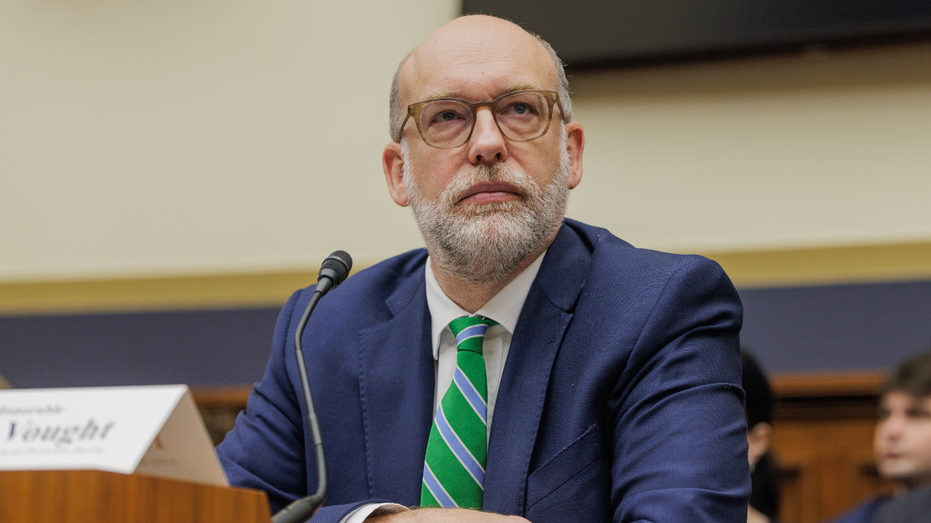
Facts: The Fox News report says OMB Director Russ Vought met with House Republicans behind closed doors and urged them to back a $95 billion budget bill; the report states he framed the pitch as a new case for the SAVE Act and signaled future spending cuts via reconciliation. Attributed claims: The article attributes the description of the meeting, the $95 billion figure, and the linkage to the SAVE Act to the reporting; it does not quote a public statement from Vought in the article text provided. Uncertainty: The article does not provide transcripts, direct quotes, the names of attendees, specifics of what cuts might be proposed, or responses from Republican lawmakers.
Source and Framing Analysis
The story is based on a single report of a closed-door meeting, which limits verifiable detail. Key framing points — that the meeting was a 'new' case for the SAVE Act and that it 'signals' cuts in a reconciliation package — are interpretations of the meeting's intent rather than presentation of enacted policy. Because the session was private and the article does not provide direct quotations or official documents, material elements (specific commitments, exact language used, and lawmakers' responses) remain uncorroborated.
Biblical Reflection
This item is a reminder that political persuasion and budget negotiations often happen in private, and Christians should approach such reports with measured discernment. The report describes internal strategy rather than enacted law; prudence asks us to distinguish between a political pitch and binding policy. Truth-seeking requires attention to evidence: what was actually proposed, what was agreed to, and who stands to be affected by future cuts.
Viewed through the Christian virtues, leaders and citizens alike are called to truth, mercy, and justice. If future cuts are pursued, Christians should weigh the moral implications—whose needs are affected, whether the vulnerable are protected, and whether stewardship of public resources advances the common good. The article’s lack of detail invites humility: avoid sharp moral judgments about intentions until policy specifics and impacts are clear.
Finally, the piece highlights civic responsibility. Christians can pray for wisdom for leaders, seek reliable information, and advocate for policies that protect neighbors in need. Our public posture should be one of honest inquiry, compassionate concern for those most at risk from budget changes, and readiness to engage constructively rather than simply consume political commentary.
Scripture in context
- 1Matthew 5:9 — Part of the Sermon on the Mount, where Jesus outlines traits of those who belong to God's kingdom (the Beatitudes). In its literary context Jesus blesses attitudes and actions that reflect God's character and values for community life. — The verse invites Christians to pursue peace-making and constructive engagement in public life — seeking reconciliation and common good rather than escalating division — especially when political maneuvering is private and opaque.
- 2Proverbs 11:1 — A proverb contrasting honest and dishonest measures; the book of Proverbs gives wisdom sayings for practical living within a covenant community. — The text underscores the importance of integrity and fair dealing in economic and civic affairs; when budget and policy decisions are discussed, Christians should press for honesty, transparent consequences, and protection for those with least power.
Faithful Response
Pray for clarity and wisdom for policymakers and for protection of vulnerable people potentially affected by budget changes.
Seek additional trustworthy reporting and official documents before forming firm policy positions.
Engage local leaders and congregations to identify how proposed federal changes could affect community needs (e.g., programs supporting food, housing, health).
Advocate calmly and compassionately for policies that care for neighbors who would be most impacted by spending cuts.
Reflection and Discussion
- 1What specific evidence would change my view about the likely effects of the proposed budget changes?
- 2Who are the people most likely to be affected by proposed spending cuts, and how does that shape Christian concern and advocacy?
Sources
Reporting links are evidence inputs; Sanctuary News' biblical reflection is commentary.
This outlook currently relies on fewer than two linked sources. Broaden verification before teaching from it.
Download source notes