News Summary
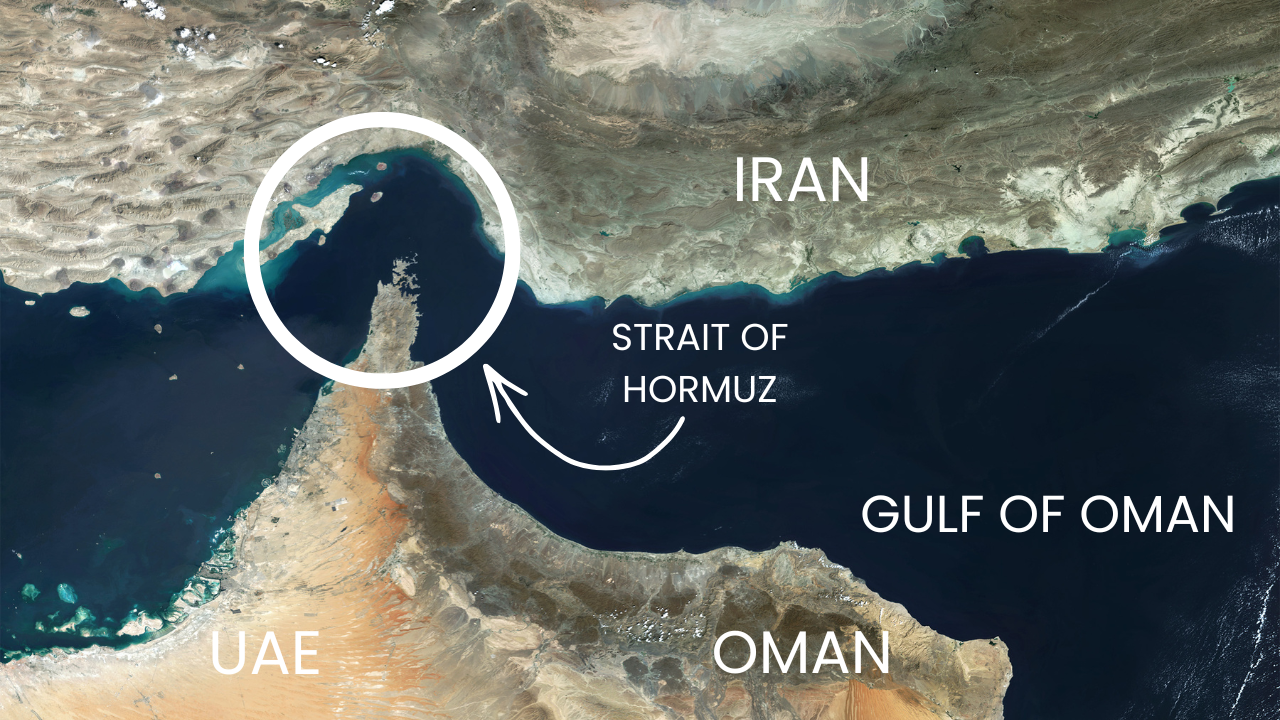
This is an opinion piece arguing that Oman’s recent economic progress could be undermined if Muscat cooperates with Tehran on proposals to charge fees or otherwise exert control over passage through the Strait of Hormuz. The article notes Oman rose 19 places to 39th in the Heritage Foundation’s 2026 Index of Economic Freedom, cites Oman Vision 2040 reforms including fiscal consolidation (debt under 40% of GDP), legal transparency measures, and increased foreign investment, and quotes an IMF estimate of Oman’s GDP per capita at $21,645 (a reported 19% increase over 2025). It contrasts Oman’s trajectory with Iran’s economic indicators—reported inflation near 50%, sharply rising food prices, rising poverty, disputed unemployment figures, and a GDP per capita of about $3,415—and characterizes Iranian proposals to assert joint sovereignty over the Strait and impose tolls as coercive. The author urges Oman to refuse partnership with Iran on tolls, deepen ties with Gulf partners and the United States, and use its side of the Strait to offer passage and alternative infrastructure to preserve economic openness. The piece is an opinion column by Victoria Coates, vice president at the Heritage Foundation’s national security institute, and cites the Heritage Index and IMF as data sources.
Biblical Reflection
The article presents a clear normative argument: that Oman should align with Gulf partners and the U.S. and resist Iranian attempts to monetize passage through Hormuz. Its strengths are grounding in recent economic indicators for Oman and a legitimate strategic concern about any effort to restrict a major shipping lane. Its weaknesses are rhetorical language that frames Iran primarily as a predatory actor without equal attention to Iranian domestic suffering, and an assumption that ‘economic freedom’ and alignment with the U.S. automatically produce the best outcomes for ordinary Omanis. As Christians seeking truth and mercy, we should test the piece’s claims against reliable data, note the author’s institutional perspective (Heritage/foreign-policy hawkish), and avoid dehumanizing language toward people on the other side of the Strait. Prudence and love of neighbor call for advocating for secure, open trade routes while also valuing diplomacy, humanitarian concern for civilians in Iran, and careful stewardship of facts rather than alarm-driven counsel. Ultimately, a Christian response supports policies that protect the vulnerable, pursue just peace, and encourage wise, transparent leadership that serves the common good.
Scripture in context
This outlook does not yet include contextual Scripture citations. Do not treat a general biblical theme as an exegetical conclusion.
Faithful Response
No prescribed response is offered. Consider the reflection prompts below in your own church context.
Reflection and Discussion
- 1What assumptions about economic liberalism and security shape the article’s recommendations, and how might different assumptions change the policy advice?
- 2Does the article distinguish enough between the actions of a government and the needs of ordinary people inside that country?
- 3Are the data sources cited sufficient to support the urgency of the warning, or should we seek broader, independent confirmation before concluding Oman’s choices will cause major harm?
Sources
Reporting links are evidence inputs; Sanctuary News' biblical reflection is commentary.
This outlook currently relies on fewer than two linked sources. Broaden verification before teaching from it.
- 1.Original reportprimary