News Summary
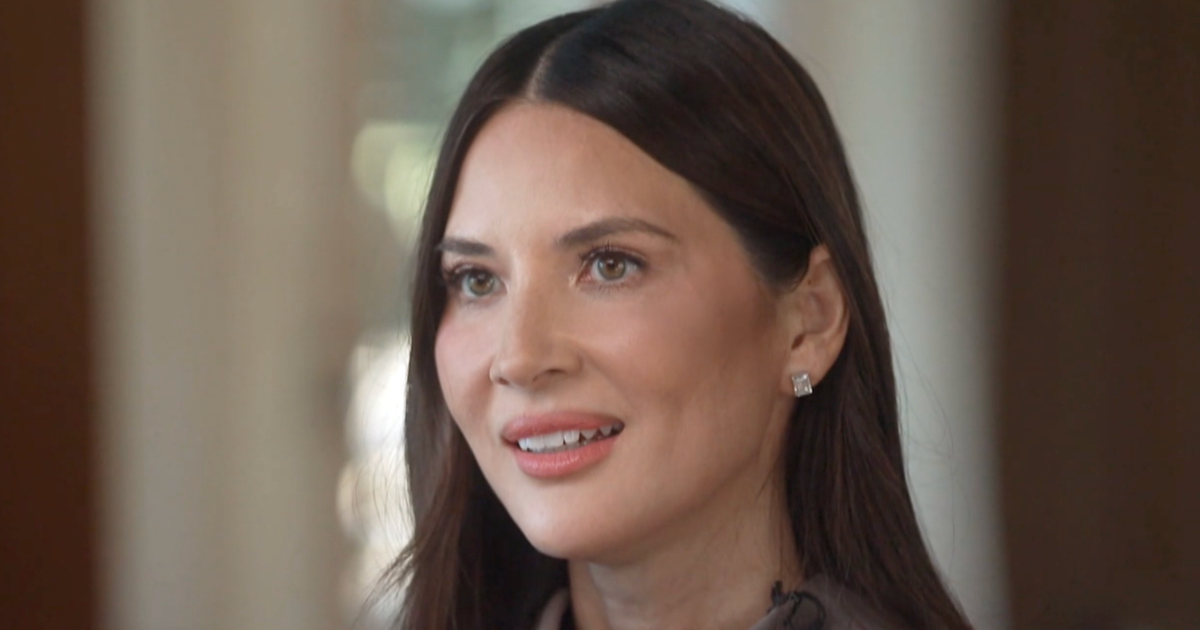
In April 2023 Olivia Munn learned she had Stage 1 breast cancer after taking an online Lifetime Risk Assessment questionnaire that estimated her lifetime risk at about 37.3%. She reported having no symptoms and having clear mammogram and ultrasound results prior to that. Munn underwent a double mastectomy, an ovariectomy and a partial hysterectomy; she says her risk score is now zero. She publicly shared her diagnosis and the risk test result; according to the article, the number of women taking the test rose by 4,000% after she began promoting it. Munn married comedian John Mulaney in 2024; the article notes his presence and support during her care. She has two young children, emphasizes gratitude and presence, and is filming the second season of the Apple TV+ series Your Friends and Neighbors, which returned April 3, 2026.
Biblical Reflection
This story highlights several Christianly important themes: the value of early detection and wise stewardship of health, the power of testimony to spur others to action, and the comfort of community and spousal support in illness. The article leans toward an inspirational narrative focused on survival, gratitude and public advocacy; it does not explore medical nuance such as how the risk score is calculated, false positives or negatives, or the range of treatment options and their trade-offs. Christians should praise responsible advocacy that helps people pursue appropriate screening and care, while also being cautious about anecdote-driven medical decisions. Celebrity testimony can mobilize people for good, but it can also oversimplify complex medical choices. Biblically, suffering and illness are occasions both for lament and for faithful action: we are called to care for our bodies (stewardship), to seek wise counsel (including medical expertise), and to bear one another's burdens (Galatians 6:2). Evaluate the story’s claims by seeking additional medical information, listening to doctors, and remembering that gratitude for life can coexist with honest grief over loss and difficult choices.
Scripture in context
This outlook does not yet include contextual Scripture citations. Do not treat a general biblical theme as an exegetical conclusion.
Faithful Response
No prescribed response is offered. Consider the reflection prompts below in your own church context.
Reflection and Discussion
- 1How does the article’s reliance on a single personal testimony shape public perception of medical tools and choices, and where should we look for fuller medical context?
- 2What assumptions about risk, screening, and definitive solutions (like risk scores and surgery) are left unexamined in the narrative?
- 3How does this story align with a biblical view of suffering, stewardship of the body, and communal responsibility to support those who are ill?
Sources
Reporting links are evidence inputs; Sanctuary News' biblical reflection is commentary.
This outlook currently relies on fewer than two linked sources. Broaden verification before teaching from it.
- 1.Original reportprimary