News Summary
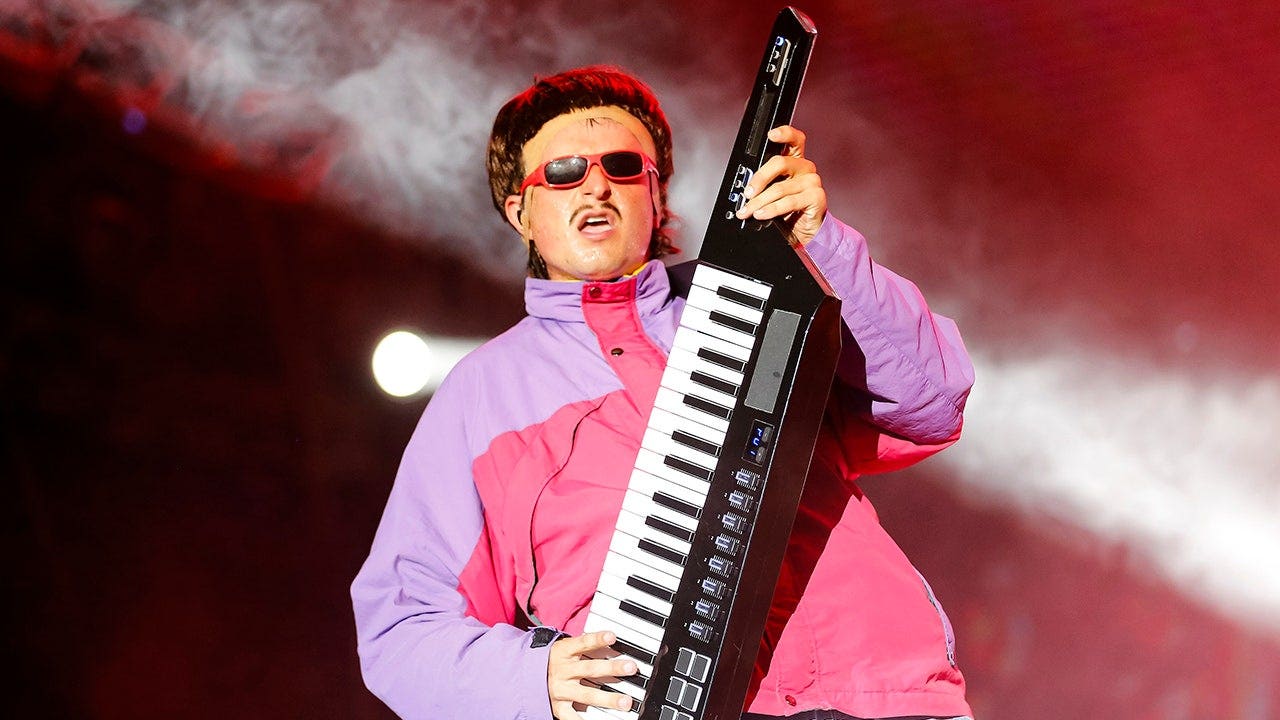
Oliver Tree (Oliver Tree Nickell), 32, was among six people killed when two helicopters collided on June 14 in Rio de Janeiro, Brazil; one helicopter struck a car dealership and caused a fire that was later extinguished. Other victims identified included passengers Lucas Vignale, Gaspar Prim and Lucas Brito Chaves, and pilots Alexandre Souza and Charles Marsillac. Tree had performed in São Paulo on June 6 as part of his world tour. His representatives announced on his official Instagram that his body has been returned to California and that his will included establishment of a foundation/endowment called "Dr. Oliver Tree’s Extremely Epic Grant For Baby Geniuses." The post said the foundation had been set up before his death and will distribute funds according to the rules Tree described—funding the physical production of art rather than education or equipment purchases—and that a committee he planned would vote on annual recipients. The announcement thanked supporters and said the family and collaborators were working through the immediate aftermath. Media outlets cited include the Associated Press and CNN Brazil for crash details.
Biblical Reflection
This report is primarily factual and centered on grief, legacy, and philanthropy. From a Christian perspective, several elements stand out: Tree's expressed intention to give his wealth back to artists reflects a sacrificial view of material goods, which aligns with biblical teaching about generosity and stewardship. The family's decision to honor his will and create a named foundation models faithfulness to a loved one's final wishes and care for the artistic community. The coverage, however, is shaped by celebrity narratives that can both comfort grieving fans and risk elevating fame over the more ordinary, less-newsworthy human costs—wives, children, families, and co-workers—whose needs may receive less attention. The article does not yet address investigation outcomes, accountability, or longer-term impacts on aviation safety in Brazil, so readers should not assume those questions are resolved. Christians should welcome the acts of giving and community support reported here while remaining sober about the broader realities: death calls us to both lament and to practical care for those left behind, and public mourning can obscure structural questions about prevention and justice. The piece largely aligns with objective facts reported by major outlets, but its framing emphasizes legacy and philanthropy rather than public-safety or legal follow-ups.
Scripture in context
This outlook does not yet include contextual Scripture citations. Do not treat a general biblical theme as an exegetical conclusion.
Faithful Response
No prescribed response is offered. Consider the reflection prompts below in your own church context.
Reflection and Discussion
- 1How does the focus on an artist's posthumous legacy shape our instincts about value—do we risk valuing art more after death than while people are alive and in need?
- 2What attitudes toward wealth and stewardship are evident in Tree’s will, and how do those compare with Christian convictions about generosity and caring for neighbors?
- 3What important questions (investigations, accountability, family support) are still unanswered that the media's celebratory framing might be crowding out?
Sources
Reporting links are evidence inputs; Sanctuary News' biblical reflection is commentary.
This outlook currently relies on fewer than two linked sources. Broaden verification before teaching from it.
- 1.Original reportprimary