News Summary
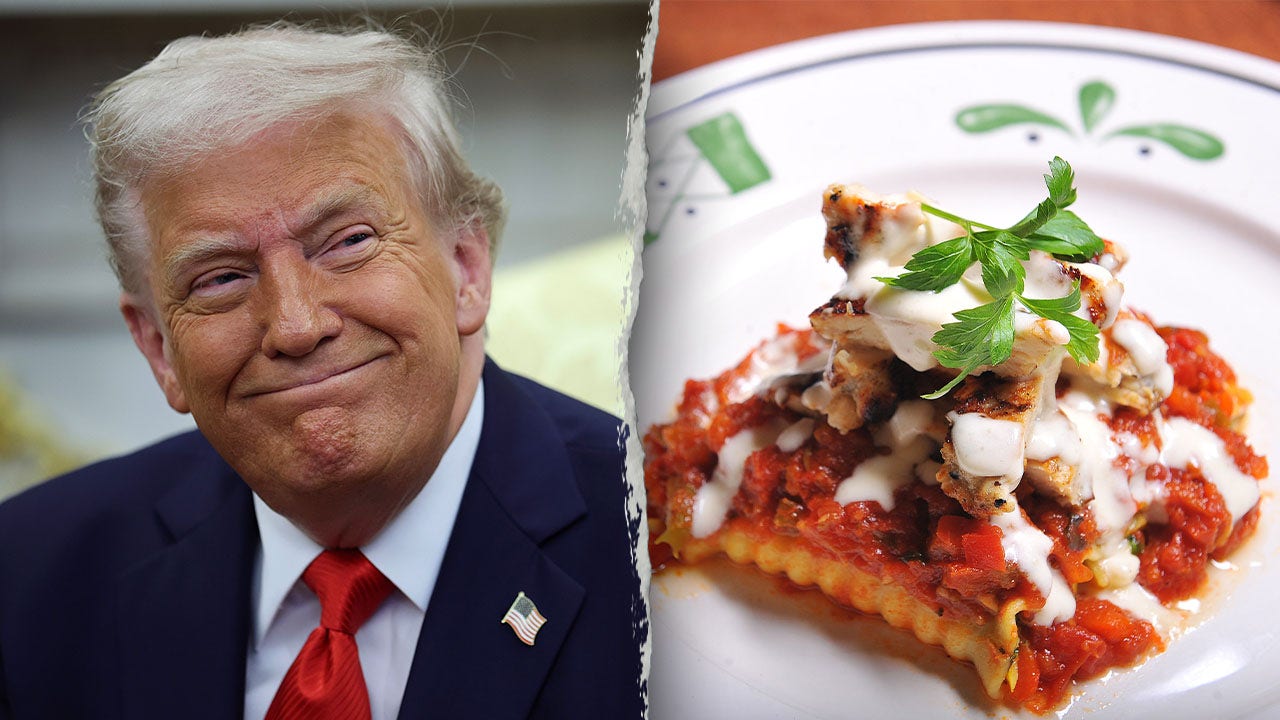
Facts reported: Olive Garden marketed a $100 "Never-Ending Pasta Pass" for the first 10,000 buyers giving 13 weeks of unlimited pasta; Olive Garden said passes are personalized, non-transferable, and require a valid photo ID when ordering; social media users compared that policy to ongoing debates over voter ID and the SAVE America Act. Attributed claims: President Trump reportedly said on Truth Social he would not sign a housing bill and criticized the Senate for not passing the SAVE America Act; a White House spokesperson is quoted saying Olive Garden takes security more seriously than Democrats take election security; the article states the SAVE Act passed the House in February, faces Senate obstruction, and had language attached to an appropriations bill. Uncertainties: the article does not provide independent evidence about the prevalence of voter fraud, the veracity of percentage figures cited (e.g., "97% of Republicans"), or responses from election law experts and groups representing communities affected by ID requirements.
Source and Framing Analysis
Source role and incentives: The piece is primary reporting by Fox News that links a consumer-policy announcement to a partisan debate, amplifying Republican and White House perspectives. Missing voices: the article does not quote election law experts, nonpartisan analysts, voting-rights organizations, Democratic congressional responses, or Olive Garden corporate policy documentation beyond the social post. Framing choices: the story uses social-media reactions to draw a moral equivalence between a restaurant’s ID policy and public election laws, which simplifies legal, constitutional, and access-related distinctions. Disputed claims and verification needs: claims about the scope of public support for the SAVE Act (e.g., "97% of Republicans"), claims about election security improvements from photo ID laws, and the real-world effects of ID requirements on voter access require independent verification and expert analysis.
Biblical Reflection
The article uses a private company's promotional rule to advance a partisan argument about public election policy. That rhetorical move is common in political messaging: an appealing anecdote is framed to simplify a complex policy debate. Christians seeking truth should note two distinctions the article blurs—private businesses set conditions for promotional offers and can limit who uses them without the legal obligations of government; election rules are public law that affect citizens' civil participation and carry different constitutional and social responsibilities. The voter ID debate genuinely raises conflicting goods: protecting the integrity of elections and protecting access for marginalized communities. The article leans toward a security-first framing and relies on social-media reactions and a White House soundbite rather than empirical evidence about the prevalence of in-person voter fraud or the impact of ID laws on turnout. Pastoral discernment calls for humility (avoid assuming a simple analogy proves policy), mercy (attend to those who may face barriers to voting), and truth-seeking (look to data and law, not just rhetoric). Christians should resist letting partisan sniping substitute for careful public-spirited study and compassion for neighbors who could be disadvantaged by policy changes.
Scripture in context
- 1Philippians 2:3-4 — In this letter to the Philippians, Paul urges believers to adopt the mind of Christ, practicing humility and considering others as more important than themselves; the immediate context addresses unity and self-emptying love in the Christian community. — Applied to civic discourse, the passage recommends humility (not assuming our side embodies all truth), attentiveness to the needs of neighbors (including those who may face barriers), and a readiness to prioritize community well-being over partisan victory.
Faithful Response
Seek verified information from multiple, independent sources before accepting political comparisons as evidence.
Listen to and prioritize testimony from those who face barriers to voting (and to experts who study election administration) rather than relying solely on partisan claims.
Speak and act in ways that defend both the integrity of elections and the access rights of citizens—advocate for practical solutions that minimize disenfranchisement.
Reflection and Discussion
- 1What evidence would you require before accepting a partisan claim about election security as true?
- 2Who benefits from comparing a private company's ID rule to public election laws, and who is left out of that comparison?
- 3How can Christians ensure their public witness protects both the integrity of civic institutions and the rights of marginalized neighbors?
Sources
Reporting links are evidence inputs; Sanctuary News' biblical reflection is commentary.
This outlook currently relies on fewer than two linked sources. Broaden verification before teaching from it.
- 1.Olive Garden Pasta Pass Requires Photo IDprimary_reporting