News Summary
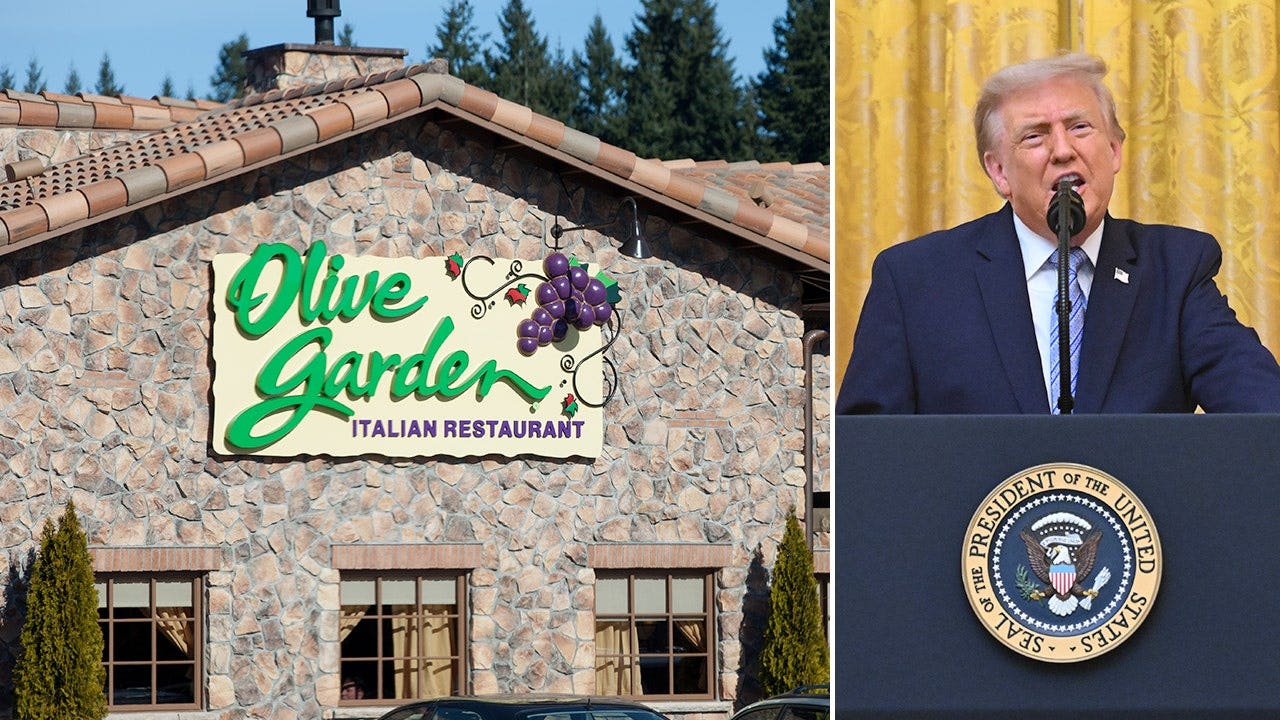
Facts reported: Olive Garden requires a photo ID matching the name on its Never-Ending Pasta Pass when ordering; the restaurant posted the policy on X. Multiple conservative commentators and Republican officials compared that policy to state voter ID rules and used the moment to call for passage of the SAVE Act. President Trump urged passage of the SAVE Act and asked supporters to contact lawmakers. The article states that 14 states plus Washington, D.C. do not require most voters to present ID to vote in person. Attributions: comparisons and criticisms are presented as social-media posts and statements from named conservatives and GOP officials. Uncertainty: the piece does not include independent data on voter fraud, election-administration perspectives, or voices opposing the comparison; it does not independently verify the claim about every state's specific ID rules beyond the cited number.
Source and Framing Analysis
Source role: Fox News is the sole source in this package and primarily reports the viral social-media reaction and statements from Republican actors, plus the presidential appeal for the SAVE Act. Missing voices: election administrators, legal experts, voting-rights advocates, Democrats and officials from the 14 states mentioned, and any Olive Garden corporate spokesperson beyond the social post. Incentives: partisan actors and commentators have incentives to use a viral cultural moment to advance policy goals and mobilize supporters; the outlet may highlight those reactions that align with its audience. Disputed claims or required verification: whether a direct equivalence exists between a private ID policy and public election-security needs, the accuracy and context for the '14 states and D.C.' statement, the specific provisions and projected effects of the SAVE Act, and empirical evidence of in-person voter fraud — all require independent verification.
Biblical Reflection
What is true in the article: Olive Garden requires photo ID for its personalized pass, and several states do not require a photo ID for in-person voting. What the viral comparison obscures is important context: private businesses set rules for private services with immediate, low‑stakes consequences for misuse; election rules are set by law, vary by state, involve multiple safeguards (signatures, provisional ballots, voter rolls, poll-worker verification, and legal processes), and carry high civic consequence for access and representation. The framing primarily amplifies partisan messaging to build pressure for the SAVE Act rather than offering a careful comparison of policy tradeoffs or evidence about voter fraud. Christians should recognize the legitimate desire for secure elections but also be wary of rhetoric that simplifies complex civic structures into punchy, attention‑getting analogies. Policy proposals that aim to strengthen confidence in elections deserve scrutiny for both their effectiveness and their real-world costs — especially whether they create barriers for elderly, low-income, or otherwise vulnerable neighbors. Love of truth calls us to ask for clear evidence and honest policy analysis; love of neighbor calls us to weigh the burdens that changes impose on the least advantaged. Practicing humility and seeking common good should guide Christian response more than partisan triumphalism.
Scripture in context
- 1John 8:31-32 — Jesus speaks to his followers about the liberating power of truth within the teaching traditions of early Christian communities confronting falsehood and hypocrisy. — Christians are called to seek and speak truth, testing claims and resisting rhetoric that appeals emotionally but lacks evidential grounding; this applies to public debates that hinge on persuasive comparisons rather than verified facts.
- 2Luke 10:25-37 (Parable of the Good Samaritan) — A legal expert asks Jesus about inheriting eternal life; Jesus reframes the question into a call to active neighbor-love illustrated by the Samaritan's compassionate action toward a wounded stranger. — Policy debates about access and security should be evaluated not only for abstract fairness but for their practical impact on neighbors who might be excluded or burdened by new rules.
Faithful Response
Pause before sharing viral comparisons; verify basic facts from neutral sources and seek perspectives from election officials and civil-rights groups.
Pray for wisdom, then contact elected representatives with respectful, evidence-based questions rather than partisan rhetoric.
Engage neighbors in calm, informed conversation about what election integrity and access should look like in practice.
Reflection and Discussion
- 1Is the comparison between a private-ID policy and public election law a fair analogy, or is it primarily rhetorical?
- 2Which stakeholders are absent from the coverage, and how might their perspectives change the conversation?
- 3What evidence would change your view about whether stricter ID laws improve election integrity without unjustly suppressing participation?
Sources
Reporting links are evidence inputs; Sanctuary News' biblical reflection is commentary.
This outlook currently relies on fewer than two linked sources. Broaden verification before teaching from it.
- 1.Olive Garden ID Policy Sparks Voter ID Debateprimary_reporting