News Summary
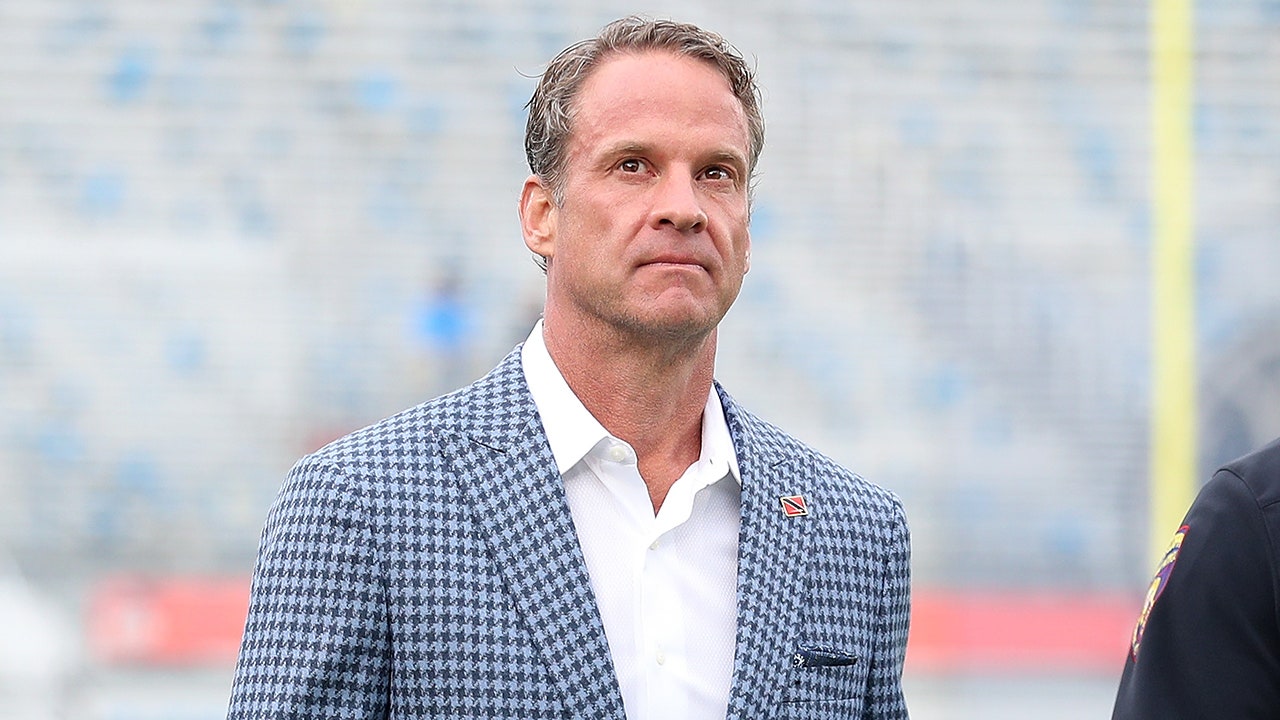
In a May Vanity Fair interview, Lane Kiffin said some out-of-state Black families were concerned about racism in Oxford, Mississippi, and that those concerns affected recruiting. Kiffin later characterized those remarks as factual and subsequently apologized after public backlash, saying he did not intend to offend Ole Miss or Mississippi. On a sports program, Tim Brando and Dan Dakich criticized Kiffin's comments. Ole Miss quarterback Trinidad Chambliss publicly disagreed with Kiffin, saying the Oxford community showed him and his family love during his recruiting visit and that he did not find Kiffin's statement truthful. The dispute generated social-media reaction and media commentary, and the article notes an upcoming Ole Miss–LSU game in September that now carries added attention because of the controversy.
Biblical Reflection
From a Christian perspective, this story raises questions about truth-telling, reputation, and the pastoral responsibility leaders have when speaking about people and places. Public figures’ anecdotes can quickly become narratives that shape others’ perceptions; when claims touch on racial pain they demand careful, humble handling. Chambliss’s testimony about feeling welcomed is important and should be heard, but Christians should also remain open to the reality that racial harm can exist in many contexts and that a single defense does not erase others’ experiences. The faithful response is to pursue truth without haste, correct harm where it is verified, and seek reconciliation rather than stoke division. Media and social platforms tend to amplify conflict; followers of Christ are called to temper their reactions with mercy, to listen to those most affected, and to hold leaders accountable with both humility and courage.
Scripture in context
This outlook does not yet include contextual Scripture citations. Do not treat a general biblical theme as an exegetical conclusion.
Faithful Response
No prescribed response is offered. Consider the reflection prompts below in your own church context.
Reflection and Discussion
- 1Is the claim presented as personal anecdote or as a general fact, and how does that affect how we should evaluate it?
- 2Who benefits from framing a community as unwelcoming, and what responsibilities do leaders have when their words influence people’s perceptions?
- 3Are we prioritizing immediate outrage or careful listening to those directly affected by the issue?
Sources
Reporting links are evidence inputs; Sanctuary News' biblical reflection is commentary.
This outlook currently relies on fewer than two linked sources. Broaden verification before teaching from it.
- 1.Original reportprimary