News Summary
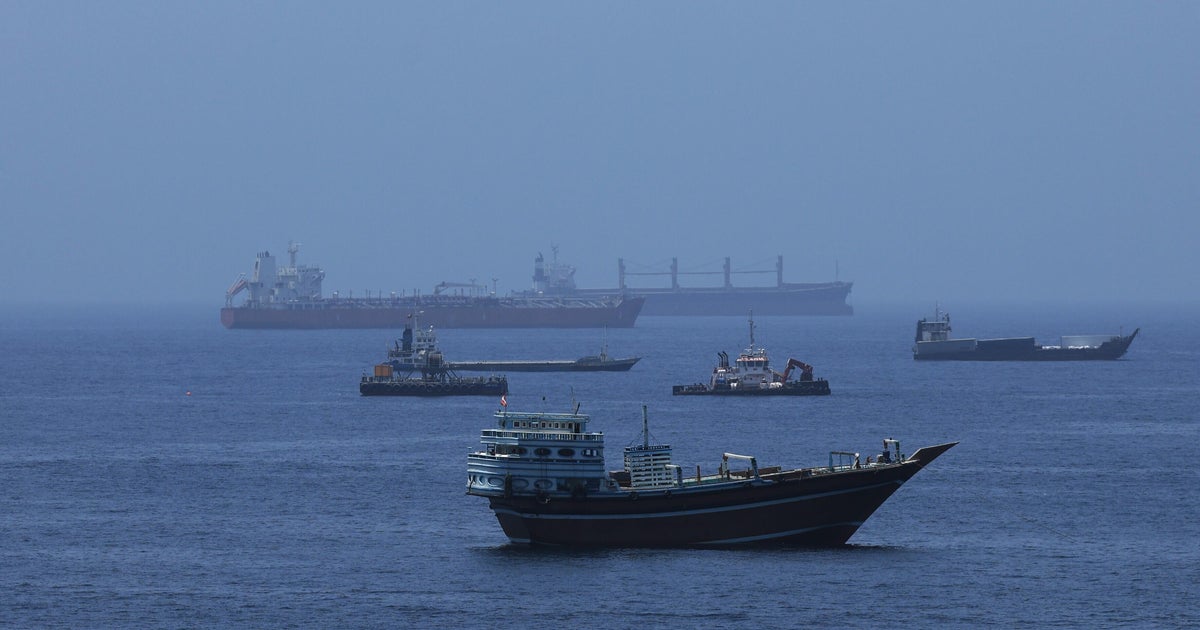
Maritime intelligence firm Lloyd's List reported a sharp rise in tanker movements in the Persian Gulf and Gulf of Oman after a U.S.-Iran memorandum of understanding was agreed last week to reopen the Strait of Hormuz and start a 60-day negotiation process. Iran and Oman said they will create a joint mechanism to control maritime traffic through the strait; U.S. officials have said a final deal must not allow Iran to charge tolls for passage. U.S. Secretary of State Marco Rubio warned Gulf partners that allowing tolls would set an international precedent and said the U.S. seeks a verifiable peace deal and will coordinate with Gulf allies. Oil prices fell: Brent crude dropped about 3.8% to $73.87 per barrel and U.S. crude fell about 3.9% to $70.34 per barrel (with intraday variations noted). The article also reports that the U.S. Senate defeated a procedural motion to advance a bill restricting the president's authority to wage war against Iran (vote 50-47), and that an Israeli soldier was killed in southern Lebanon amid ongoing clashes with Hezbollah.
Biblical Reflection
The piece reports economic and diplomatic developments that, if sustained, reduce immediate pressure on global energy markets and lower the cost burdens facing many people. Its sourcing and framing lean heavily on U.S. and Gulf-state perspectives—quoting maritime intelligence and U.S. officials—so readers should note the limited voice given to Iranian or independent regional perspectives. From a Christian pastoral standpoint, the events show how geopolitical power, commerce, and security intersect: reopening a major shipping lane can relieve economic anxiety for millions but also raises questions about sovereignty, justice, and the safety of seafarers and civilians. The public rhetoric about 'tolls' and control of waterways suggests competing priorities—security and regional influence versus free passage and global order. Christians are called to seek peace and protect the vulnerable; thus we should welcome steps that reduce the threat of wider conflict and economic harm while remaining cautious about agreements made quickly or that marginalize weaker neighbors. Pray for transparency in negotiations, restraint from escalation, and care for those directly affected by the conflict.
Scripture in context
This outlook does not yet include contextual Scripture citations. Do not treat a general biblical theme as an exegetical conclusion.
Faithful Response
No prescribed response is offered. Consider the reflection prompts below in your own church context.
Reflection and Discussion
- 1Whose perspectives and interests are missing from this coverage, and how might that affect our understanding of the deal's justice and sustainability?
- 2Are we weighing short-term economic relief against long-term security and moral consequences when we celebrate resumed trade?
- 3Do discussions about control and tolls on international waterways prioritize national power over the common good of global communities?
Sources
Reporting links are evidence inputs; Sanctuary News' biblical reflection is commentary.
This outlook currently relies on fewer than two linked sources. Broaden verification before teaching from it.
- 1.Original reportprimary