News Summary
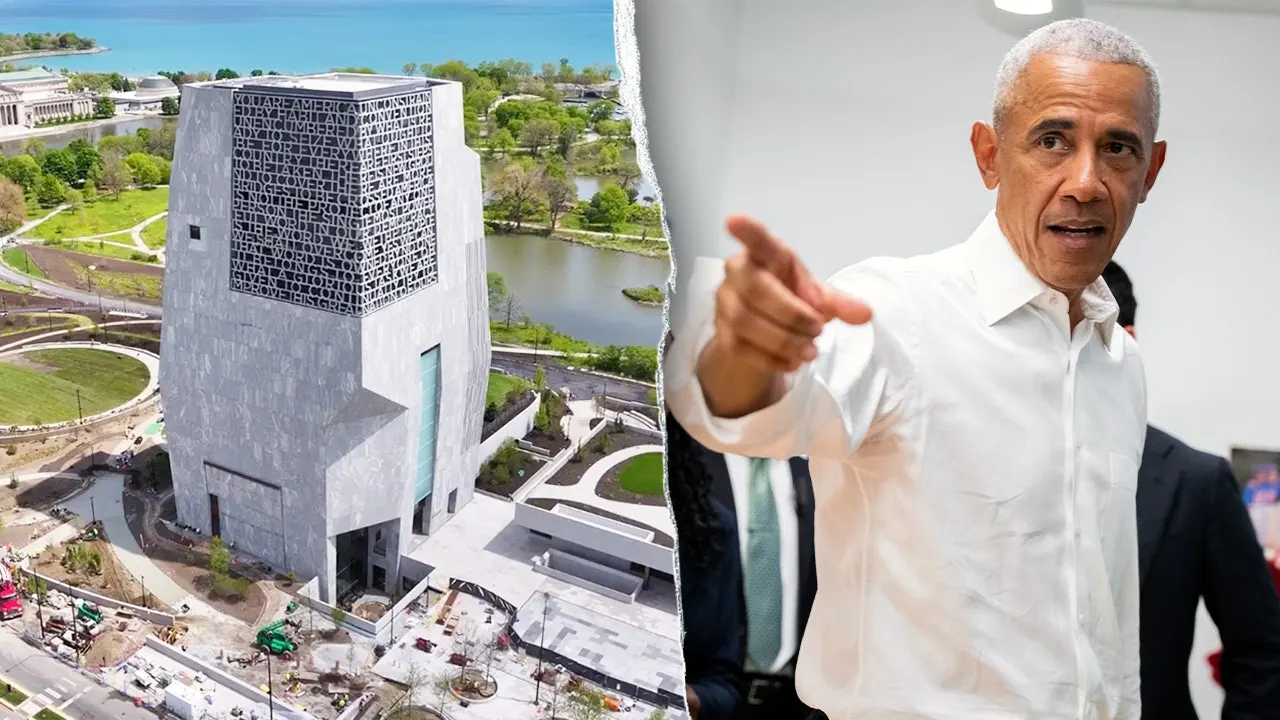
The Barack Obama Presidential Center opened in June 2026 on a 19.3‑acre site inside Jackson Park on Chicago’s South Side. The $1 billion-plus campus, developed by the Obama Foundation, includes a presidential museum, foundation offices, program spaces (including a “Democracy in Action Lab”), conference facilities, an athletic complex, and a branch of the Chicago Public Library. Unlike other modern presidential libraries, the center is operated by the Obama Foundation outside the federal presidential library system and does not house Obama’s physical presidential records on site; records are stored elsewhere with possible future digital access. The site was transferred under a 99‑year agreement approved by the Chicago City Council for a one‑time payment; that transfer and related taxpayer‑funded infrastructure improvements prompted legal challenges based on the public trust doctrine, but courts dismissed the challenges on procedural grounds and did not fully adjudicate the merits. Critics cited banners and program descriptions and quoted officials who called the center a continuing vehicle for Obama’s ideas, arguing it functions more like an activism or advocacy hub than a traditional archival library. Fox News Digital reported additional concerns from legal scholars and subcontractors: a prominent law professor said central public trust claims were not ruled on the merits and warned about financial safeguards, and a Fox investigation found subcontractors alleging unpaid bills; the professor also said a promised $470 million reserve fund meant to protect taxpayers has only $1 million deposited. Supporters and center statements emphasize community programs, leadership training, and a living campus rather than a static memorial.
Biblical Reflection
From a Christian pastoral perspective, the article raises two legitimate civic concerns: how public resources are stewarded and how truth in public communication is maintained. The core factual issues — transfer of public parkland, the center operating outside the National Archives system, unresolved financial safeguards, and contractor payment disputes — warrant careful public scrutiny and transparent answers. The article’s framing and source selection lean critical; it emphasizes skeptical voices and legal warnings while giving less space to defenders or detailed accounts of community benefits. Christians should resist rushing to partisan judgment: civic engagement and nonprofit leadership can serve neighborly ends, but stewardship of shared assets calls for accountability, honesty, and care for the vulnerable. The piece invites believers to demand transparent stewardship without demonizing opponents, to value truth over tribalism, and to weigh both potential public goods (jobs, youth programs, library services) and legitimate risks (loss of public access, fiscal exposure to taxpayers). Practically, the Christian response is to seek facts, protect the common good, and insist that institutions operating on public land model integrity and care for the community they claim to serve.
Scripture in context
This outlook does not yet include contextual Scripture citations. Do not treat a general biblical theme as an exegetical conclusion.
Faithful Response
No prescribed response is offered. Consider the reflection prompts below in your own church context.
Reflection and Discussion
- 1Who benefits most from this project, and have the promised safeguards for the broader community been independently verified?
- 2Which voices are emphasized and which are underrepresented in this reporting — does the article give a balanced view of supporters’ claims and community outcomes?
- 3How should Christians weigh the value of civic programs run by private foundations against strong protections for public land and taxpayer accountability?
Sources
Reporting links are evidence inputs; Sanctuary News' biblical reflection is commentary.
This outlook currently relies on fewer than two linked sources. Broaden verification before teaching from it.
- 1.Original reportprimary