News Summary
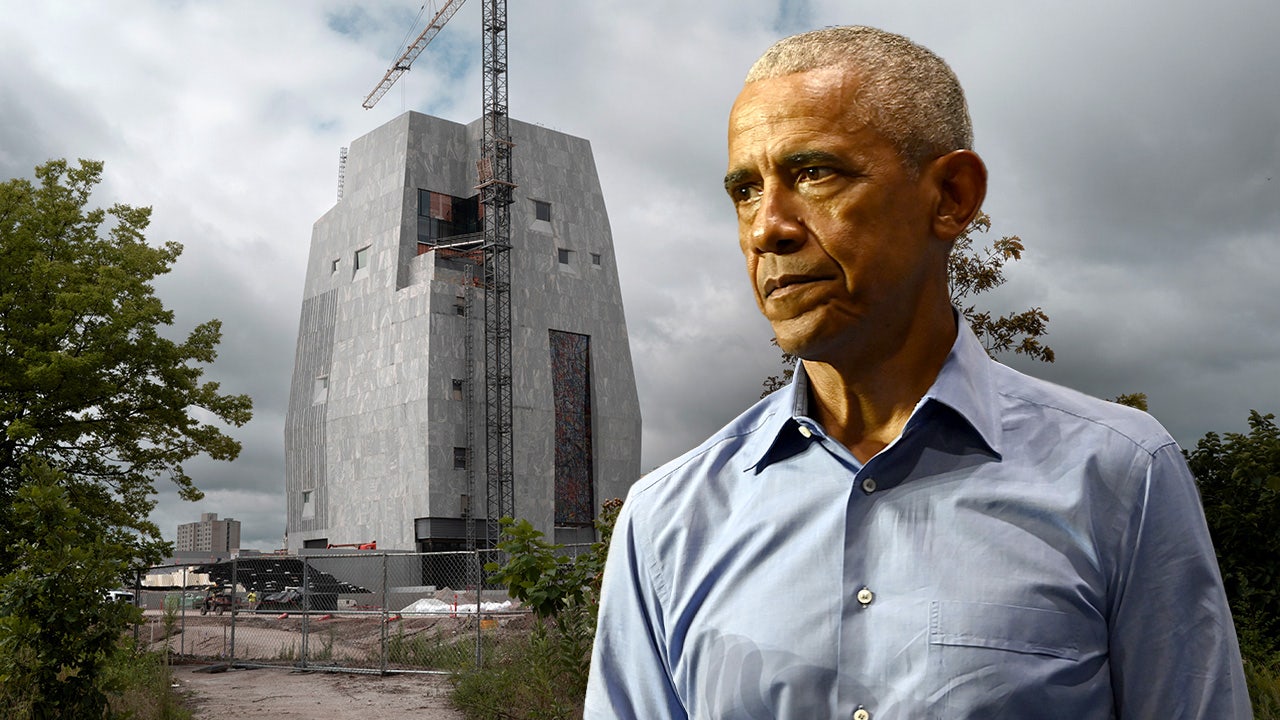
The Obama Presidential Center, currently under construction on Chicago’s South Side, has faced ongoing criticism and controversy over its multimillion-dollar, unconventional design. The building, which will house a presidential library, is notable for its 225-foot height, gray facade, and minimal windows—a decision explained as protecting the artifacts inside from sunlight. The Obama Foundation’s Deputy Director, Kim Patterson, stated that the building’s shape is meant to symbolize four hands coming together, representing collective action. Despite these intentions, some local residents and critics have protested the design and location, with a lawsuit over the use of parkland ending in 2022. Community input influenced some aspects of the project, such as moving the parking garage underground to avoid casting shadows over local gardens. The project's cost has risen significantly since its announcement and it is expected to open in June 2026.
Biblical Reflection
From a biblical perspective, the controversy surrounding the Obama Presidential Center highlights deeper questions about legacy, stewardship, and community. Scripture reminds us that 'Unless the Lord builds the house, the builders labor in vain' (Psalm 127:1). While architectural symbolism can carry meaning, it is ultimately our humility, service to others, and stewardship of resources that define a lasting legacy in God’s eyes. The Bible values transparency, communal consultation, and sacrificial leadership—traits that can sometimes be lost in ambitious public projects. The emphasis on collective action echoes the biblical call to unity and cooperation (1 Corinthians 12:12-27), but the pushback from parts of the community suggests a need for listening and reconciliation. As Christians, we are called to seek the welfare of our cities (Jeremiah 29:7), ensuring that progress does not come at the expense of justice, inclusion, or wise stewardship.
Scripture in context
This outlook does not yet include contextual Scripture citations. Do not treat a general biblical theme as an exegetical conclusion.
Faithful Response
No prescribed response is offered. Consider the reflection prompts below in your own church context.
Reflection and Discussion
- 1How do we balance the desire for meaningful legacy with the call to serve and uplift our communities?
- 2What does true stewardship of resources look like in public projects?
- 3How can we ensure our actions and decisions foster unity rather than division in our communities?
Sources
Reporting links are evidence inputs; Sanctuary News' biblical reflection is commentary.
This outlook currently relies on fewer than two linked sources. Broaden verification before teaching from it.
- 1.Original reportprimary