News Summary
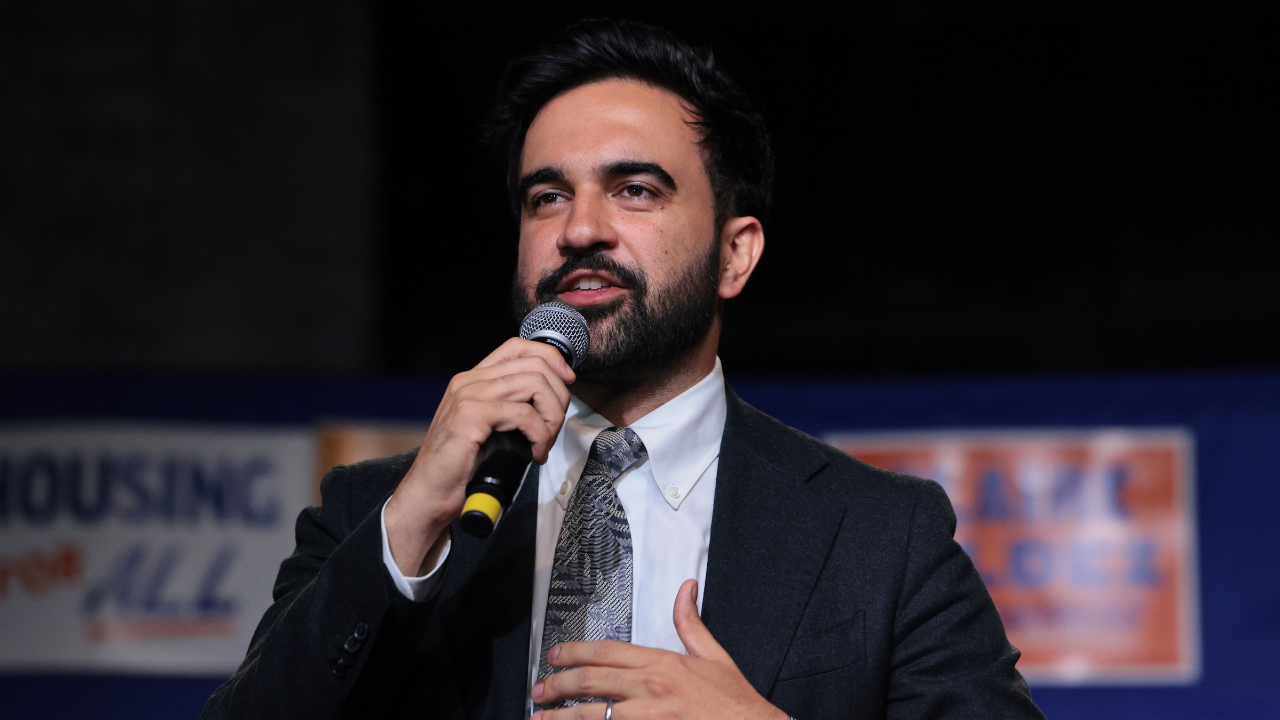
The New York City Rent Guidelines Board voted on June 25–26, 2026 to freeze rents for roughly 1 million rent‑stabilized apartments for one- and two‑year leases running Oct. 1, 2026–Sept. 30, 2027; under the longest timeline some landlords could not raise rents until late September 2029. Six of the nine board members were appointed by Mayor Zohran Mamdani and voted for the freeze; RGB Chair Chantella Mitchell issued a statement acknowledging rising property tax and insurance costs while saying most landlords remain able to meet rising costs. Arpit Gupta was the lone dissenting vote; he warned the blanket freeze could produce a “slow burn” of deferred maintenance, missed mortgage/insurance/tax payments, transfers of ownership to banks or tax lien sales, and incentives to leave units vacant—especially in older buildings that rely heavily on regulated rents. Gupta argued the policy is a blunt instrument that does not target low‑income tenants specifically and could shift costs to market‑rate renters; he favors expanding targeted rent‑freeze or assistance programs for low‑income seniors and disabled residents rather than a broad freeze. The article cites city data showing spending on one‑shot back‑rent assistance rose from $102 million in 2022 to $555.8 million in 2025, and that an RGB study found 62% of evictions in the prior year occurred in buildings with rent‑stabilized units. The piece also references a 2025 Gothamist count that more than 57,000 stabilized apartments were vacant in April 2025. A previous mayoral administration (Bill de Blasio) implemented one‑year rent freezes in 2015, 2016 and 2020; those were for one‑year leases only. Christina Smyth, another Adams appointee, resigned before the vote and publicly criticized the board’s reconstitution and direction; Chantella Mitchell declined further comment beyond her post‑vote statement.
Biblical Reflection
This story presents a tension between urgent compassion for renters facing high costs and long‑term stewardship of housing resources. The policy intent—protecting tenants from rent increases—is a legitimate public good rooted in concern for vulnerable neighbors. At the same time, Arpit Gupta’s dissent raises a factual, pragmatic concern about unintended consequences: if maintenance and capital needs are starved, the quality and availability of affordable housing can decline, ultimately harming the very people the freeze aims to protect. The article centers expert warnings and some supporting data, but its outlet and framing emphasize the dissent and property‑owner risks; readers should note that different outlets and stakeholders will weight harms and remedies differently. A Christian reading calls for pursuing both mercy and justice: provide immediate relief to those in material need while designing policies that preserve the sustainability of housing and the rights of property stewards. That requires humility to admit complexity, courage to revise policy when evidence shows harm, and transparency from officials about trade‑offs and exit conditions for temporary measures. Christian virtues also urge attention to who gains and who bears costs—ensuring aid targets the poorest and avoiding policies that shift burdens onto other vulnerable groups.
Scripture in context
This outlook does not yet include contextual Scripture citations. Do not treat a general biblical theme as an exegetical conclusion.
Faithful Response
No prescribed response is offered. Consider the reflection prompts below in your own church context.
Reflection and Discussion
- 1Whose needs and burdens are visible in the policy design, and which people or buildings are left out of the picture?
- 2Are short‑term protections being considered alongside clear, evidence‑based plans to preserve housing quality and financial viability?
- 3How does the framing of this debate (safety of tenants vs. rights of owners) shape which solutions seem acceptable?
Sources
Reporting links are evidence inputs; Sanctuary News' biblical reflection is commentary.
This outlook currently relies on fewer than two linked sources. Broaden verification before teaching from it.
- 1.Original reportprimary