News Summary
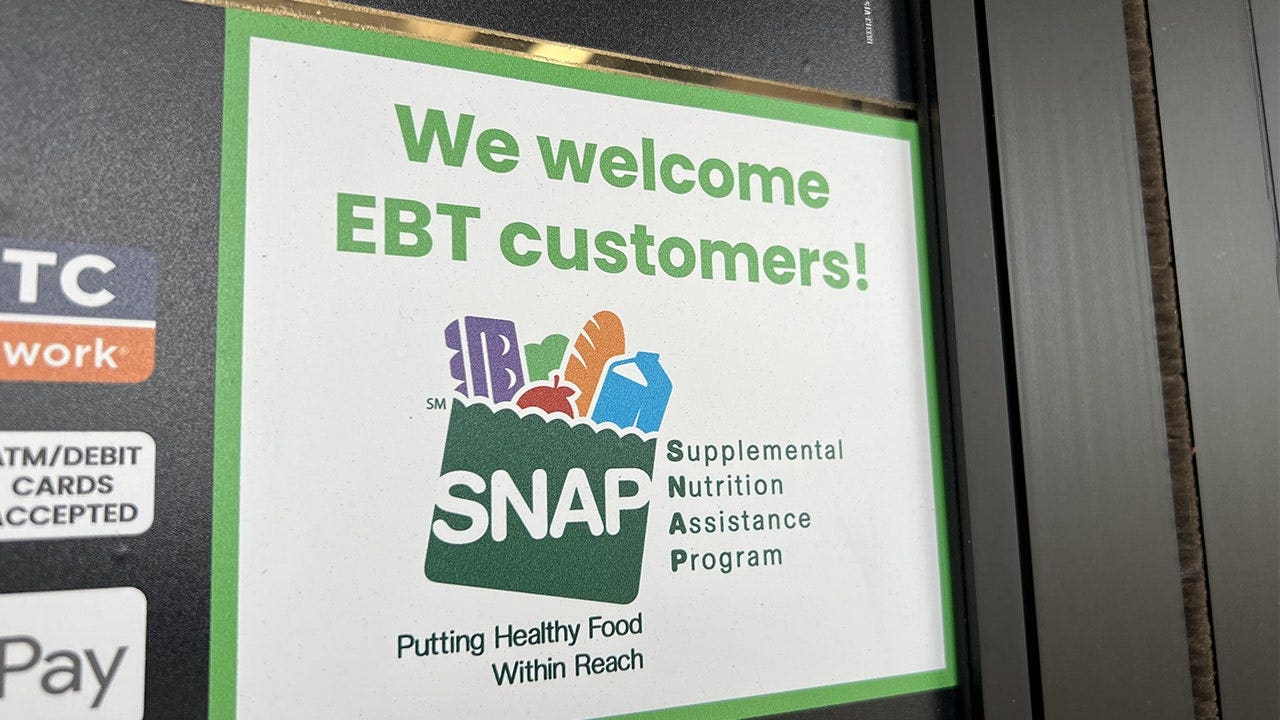
Reported facts: Fox News says New York City distributed over $2.6 billion in cash assistance in 2025 to 864,999 people, representing a 71% increase versus 2022; HRA outlays in a cited budget total $14.63 billion and are described as 14% of the city budget. Attributed claims: Fox links the increase to policy continuity under Mayor Zohran Mamdani and notes his tax-on-the-rich messaging and a public exchange with billionaire Ken Griffin who threatened to pause investments; Fox also reports that combined with SNAP the city paid more than $7 billion in welfare in 2024. Uncertainties: the article does not provide direct HRA primary-data links, independent analyst commentary, or evidence that policy choices are the primary driver of the increase; it contains some internal timeline and budget phrasing that could be clarified.
Source and Framing Analysis
Source role: Single-source reporting from Fox News Digital relying on city HRA records and the publisher's analysis; the article also foregrounds political conflict (Mamdani vs. Ken Griffin) to frame the financial figures. Missing voices: recipients of cash assistance, HRA data officers or published HRA datasets, independent budget analysts or academic experts, and advocates for low-income residents are not quoted. Incentives and framing: the story pairs welfare spending with elite investment threats, which can prime readers to view social spending as a cause of economic flight; Fox's selection of quotes and juxtaposition suggests a focus on fiscal risk. Disputed or inferential claims: any causal link between policy choices and the spending increase, and the implication that the rise in welfare is driving wealthy departures, are asserted or implied but not independently verified. What needs verification: the primary HRA datasets behind the totals, the yearly comparisons and definitions of 'cash assistance', the SNAP combination math and years, and independent analysis of causes for the spending increase.
Biblical Reflection
The facts reported — large dollar amounts, a high number of recipients, and increases over prior years — make this a public-budget story of real consequence for city governance and civic debate. The article frames the increase as a problem and juxtaposes welfare spending with the prospect of wealthy residents or investors leaving; that framing signals a worldview that emphasizes fiscal discipline and the economic impact of taxation. A Christian reading calls us to hold together two truths: a robust commitment to care for vulnerable neighbors and a sober attention to stewardship, accountability, and truthful causal claims. Practically, that means seeking the underlying data and causes (economic shocks, policy changes, rising need, administrative expansion) rather than accepting implied cause-and-effect claims. It also means resisting narratives that use needy people as political counterweights against other constituencies. Christians should advocate for policies and practices that protect the poor, encourage work and dignity where possible, and demand transparent, evidence-based budgeting so public resources are used wisely.
Scripture in context
- 1Matthew 25:31–46 — Jesus addresses how the coming kingdom will judge nations by how they treated 'the least' — those who are hungry, thirsty, strangers, naked, sick, or imprisoned — framing compassion as central to discipleship and communal responsibility. — The passage reorients public and private hearts toward the concrete needs of people in distress; in modern civic terms that supports advocating for relief for the poor while also pressing for systems that restore dignity and reduce long-term dependence.
Faithful Response
Pray for city leaders, HRA staff, recipients, and local donors for wise, compassionate decisions.
Seek out the underlying HRA data and independent analyses before adopting partisan narratives; encourage informed public conversation.
Support local congregational ministries or credible charities that provide direct aid, job training, and housing assistance to bridge immediate need and long-term stability.
Reflection and Discussion
- 1What specific data or primary sources would you ask for to test the claim that policy choices caused the rise in cash assistance?
- 2Whose stories are missing from the article, and how would including them change the public understanding of these numbers?
- 3Does the article treat low-income New Yorkers as people with dignity or primarily as budget line items; how does that influence public sentiment?
Sources
Reporting links are evidence inputs; Sanctuary News' biblical reflection is commentary.
This outlook currently relies on fewer than two linked sources. Broaden verification before teaching from it.
- 1.New Yorkers collected $2.6 billion in welfare cash payments last year, city data showsprimary_reporting