News Summary
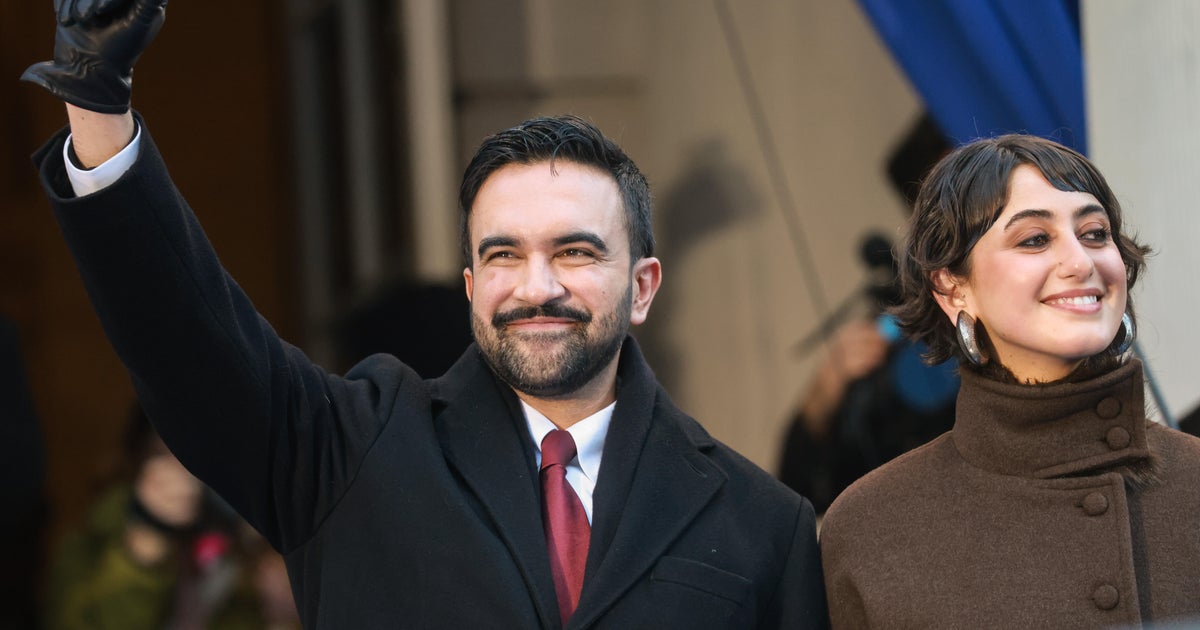
Zohran Mamdani was inaugurated as the 112th mayor of New York City in a ceremony attended by thousands in Lower Manhattan. His 25-minute inaugural address focused on an ambitious, progressive agenda aimed at making New York a city for all its residents, not just the wealthy. Mamdani promised universal child care, affordable living, and improved public transit, funding these initiatives by taxing the wealthy. He took his oath of office on a Quran, highlighting the city's diversity and the historic nature of his leadership as the first Muslim mayor. The event included participation from prominent city officials and figures such as Bernie Sanders and Alexandria Ocasio-Cortez, and emphasized themes of unity, audacious governance, and restoring trust in government. Mamdani acknowledged the work ahead, the expectations set, and pledged to govern in line with his democratic socialist principles, aiming to set an example for the world. The inauguration also featured interfaith elements and cultural performances, underscoring New York’s pluralistic identity.
Biblical Reflection
From a biblical perspective, leadership is a weighty responsibility, calling for humility, justice, and a heart for all people—especially the vulnerable (Micah 6:8). Mamdani's promises to address affordability, care for the marginalized, and foster unity align with scriptural calls for justice and compassion (Isaiah 1:17, James 1:27). His pledge to serve both supporters and opponents echoes Christ’s teaching to love one’s neighbor (Luke 10:25-37) and even one’s enemies (Matthew 5:44).
However, the emphasis on government as the primary solution to all societal needs must be weighed carefully. Scripture consistently teaches the importance of both personal responsibility and communal care, but also warns against placing ultimate trust in human institutions (Psalm 146:3). While striving for justice is godly, the means—whether through expansive government action or other forms—should not diminish the role of individual virtue, family, and faith-based community action.
Mamdani’s inclusivity is admirable, reflecting the biblical vision of a community where all are welcome and cared for. Yet, Christians are reminded that true transformation comes not only from policy but from changed hearts (Ezekiel 36:26). The city’s interfaith and multicultural celebration is a testament to peaceful coexistence, but followers of Christ are also called to pray for leaders (1 Timothy 2:1-2) and to seek the welfare of the city (Jeremiah 29:7), working as salt and light regardless of who is in power.
Scripture in context
This outlook does not yet include contextual Scripture citations. Do not treat a general biblical theme as an exegetical conclusion.
Faithful Response
No prescribed response is offered. Consider the reflection prompts below in your own church context.
Reflection and Discussion
- 1How can you actively seek justice and mercy in your own community, following the example set by leaders and scripture?
- 2Do you place your ultimate hope in government solutions, or in God’s power to bring about true change?
- 3How might you pray for and support leaders, even those with whom you disagree, in accordance with biblical teaching?
Sources
Reporting links are evidence inputs; Sanctuary News' biblical reflection is commentary.
This outlook currently relies on fewer than two linked sources. Broaden verification before teaching from it.
- 1.Original reportprimary