News Summary
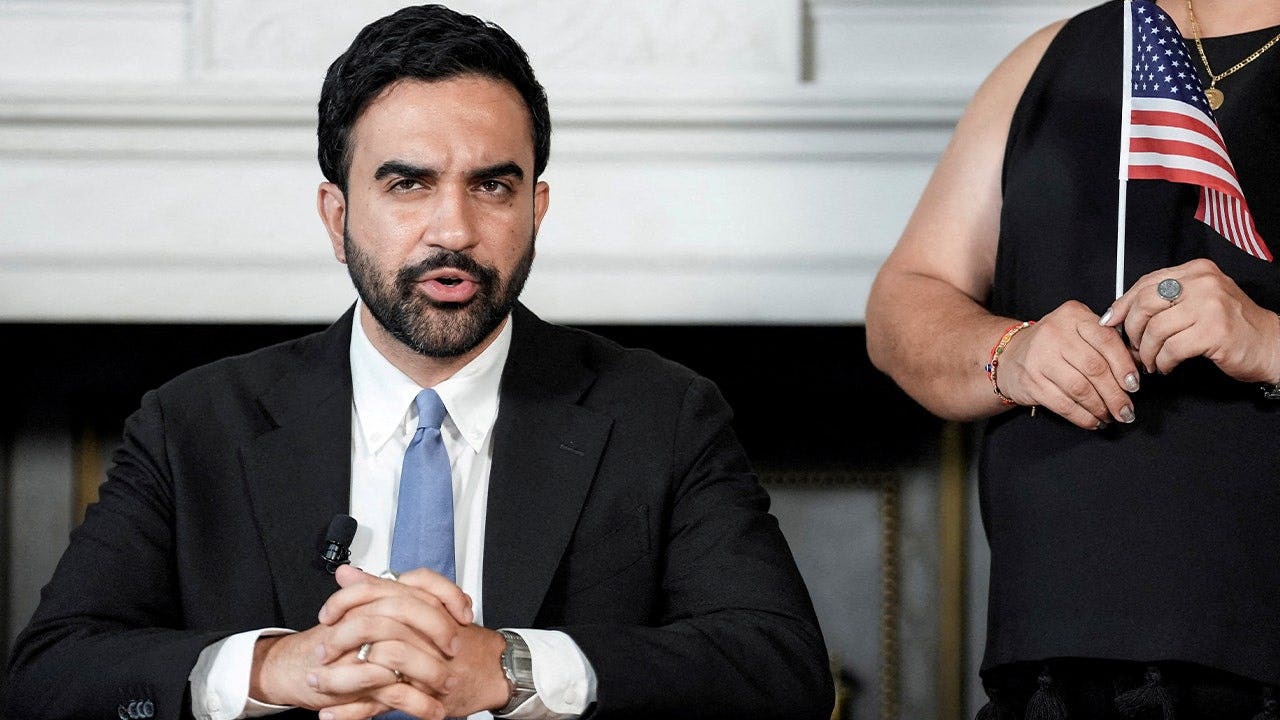
On July 3, 2026, New York City Mayor Zohran Mamdani delivered an America 250 speech at City Hall flanked by eight recently naturalized citizens. He invoked the Statue of Liberty and New York’s immigrant history, praised immigrants’ contributions, and recounted becoming a naturalized citizen in 2018. Mamdani criticized concentrated wealth and “oligarchs,” referenced the recent SpaceX IPO describing Elon Musk as the “world’s first trillionaire,” and said wealthy monopolies and oligarchs buy elections. He accused masked agents of “terrorizing our streets,” claiming ICE invades neighborhoods and detains undocumented residents in unmarked vans. He framed American exceptionalism as misunderstood by those who exclude others, called for “righteous dissent” as patriotism, and concluded with a call to make America more faithful to its founding ideals. The article notes his family background (father an elite Harvard academic; mother a film director) and that he did not mention family wealth in the speech.
Biblical Reflection
Mamdani’s speech combines legitimate moral concerns—wealth inequality, immigrant contributions, and the need to protect vulnerable people—with strong rhetorical condemnation of specific actors (ICE agents, billionaires, and oligarchs). From a Christian pastoral perspective, the call to defend the stranger and to seek justice for the poor aligns with biblical duties to show compassion and to speak for the oppressed. At the same time, the speech’s sweeping language risks polarizing listeners: painting institutions or people as villains can make reasoned conversation and cooperative problem‑solving harder. Christians should value both truth and mercy — pressing for verified facts and policy reforms where abuses exist, while avoiding dehumanizing rhetoric that simplifies complex systems. Also note the speaker’s selective emphasis: his own family’s relative privilege was mentioned but not framed in relation to his critique, which matters for evaluating integrity and humility in public witness. In short: pursue justice for immigrants and workers, demand factual accountability of powerful actors, and speak with charity so advocacy does not become contempt.
Scripture in context
This outlook does not yet include contextual Scripture citations. Do not treat a general biblical theme as an exegetical conclusion.
Faithful Response
No prescribed response is offered. Consider the reflection prompts below in your own church context.
Reflection and Discussion
- 1Which specific claims in the speech are factual and verifiable, and which are rhetorical framing meant to mobilize listeners?
- 2How does powerful rhetoric about ‘oligarchs’ or ‘terrorizing agents’ help or hinder practical steps to protect vulnerable immigrants and reform enforcement practices?
- 3In public moral critique, are leaders modeling the humility and transparency we ask of others about their own position and privilege?
Sources
Reporting links are evidence inputs; Sanctuary News' biblical reflection is commentary.
This outlook currently relies on fewer than two linked sources. Broaden verification before teaching from it.
- 1.Original reportprimary