News Summary
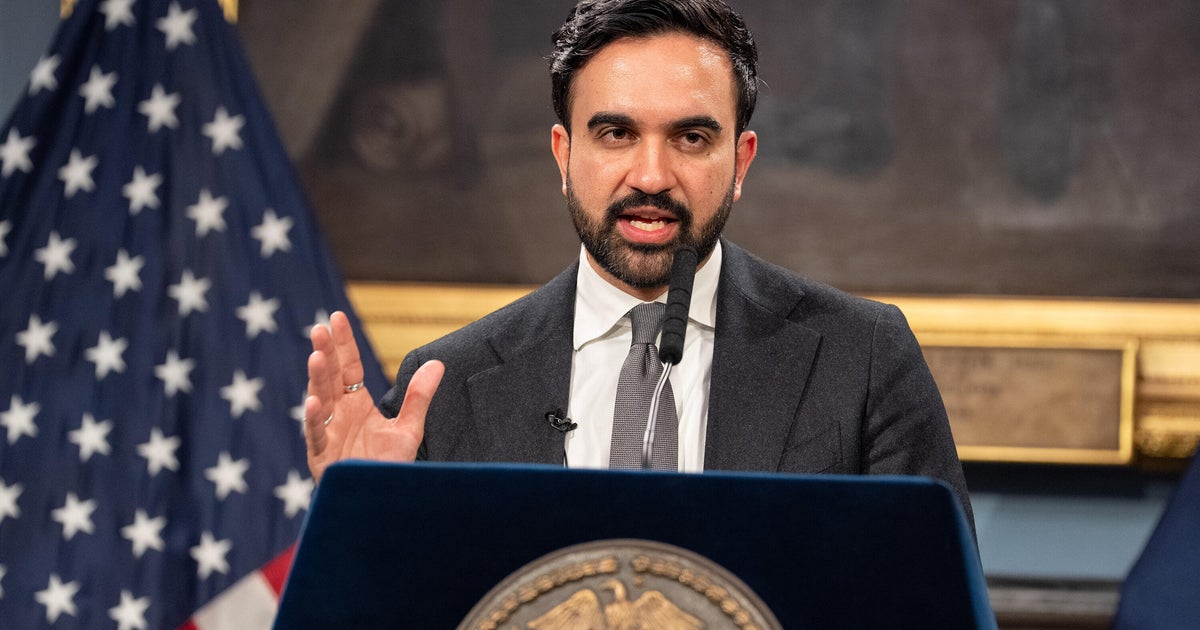
On July 3, 2026, New York City Mayor Zohran Mamdani spoke from behind the George Washington desk at City Hall to mark America's 250th anniversary, with recently naturalized citizens present. Mamdani, himself a naturalized citizen, highlighted immigration as central to the nation's story and argued that American exceptionalism lies in the country's openness to change and opportunity rather than in wealth or power. He contrasted that vision with leaders and forces he said promote division, exclusion, and persecution of asylum seekers. He referenced Thomas Paine’s description of America as an asylum for the persecuted and criticized wealth inequality, corporate concentration, and aggressive immigration enforcement tactics, while praising neighborly solidarity and working-class organizing. The speech occurred hours before a planned America 250 address by President Trump in South Dakota.
Biblical Reflection
Mamdani’s speech foregrounds inclusion, care for newcomers, and a prophetic critique of concentrated wealth and exclusion—concerns that resonate with core Christian commitments to welcome the stranger, defend the vulnerable, and speak against injustice. His rhetoric is plainly political and designed to shape civic identity; some language (e.g., descriptions of enforcement tactics or oligarchic influence) is rhetorical and aimed at mobilizing sympathies rather than laying out specific policies. Christians should affirm the emphasis on hospitality, justice, and the dignity of immigrants while remaining discerning about partisan framing or exaggerated claims. Loving our neighbor means both advocating for humane policy and engaging opponents with truth and humility; prophetic critique should aim to restore common life, not merely score political points.
Scripture in context
This outlook does not yet include contextual Scripture citations. Do not treat a general biblical theme as an exegetical conclusion.
Faithful Response
No prescribed response is offered. Consider the reflection prompts below in your own church context.
Reflection and Discussion
- 1Does the speech appeal more to shared civic ideals or to partisan identity, and how does that shape how you receive its critiques?
- 2Which claims are rhetorical framing and which are empirically supported—what facts would you check before endorsing its policy implications?
- 3How can Christians hold both a grateful patriotism and a prophetic responsibility to advocate for the poor, the immigrant, and the excluded?
Sources
Reporting links are evidence inputs; Sanctuary News' biblical reflection is commentary.
This outlook currently relies on fewer than two linked sources. Broaden verification before teaching from it.
- 1.Original reportprimary