News Summary
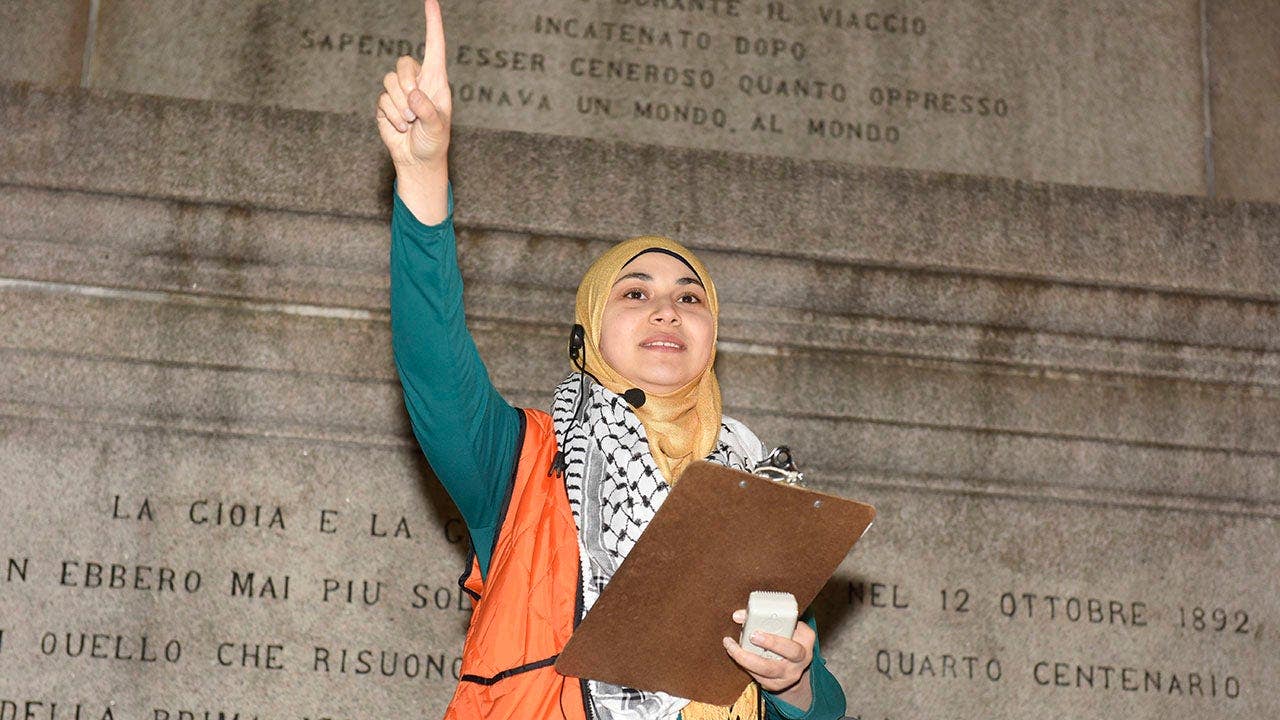
Aber Kawas, a Palestinian‑American Muslim community organizer and the Democratic primary nominee in heavily Democratic New York State Senate District 12, faced criticism after a 2017 podcast clip resurfaced in which she discussed systemic racism, capitalism, and Islamophobia in relation to 9/11 and said the idea that Muslims must apologize for an attack they had nothing to do with was harmful. The Fox News report quotes parts of the 2017 remarks and characterizes them as suggesting America ‘deserved’ 9/11; Kawas has said her comments were taken out of context and framed by political opponents as a smear. Kawas defeated Assemblyman Steven Raga in the primary and is likely favored in the November general election. The article notes her activism on Gaza, her Palestinian identity, a reported affiliation with the Council on American-Islamic Relations (CAIR), and background detail about her father's 1989 arrival and later deportation after a criminal conviction. The piece is framed as critical and places the resurfaced comments alongside broader concerns about left‑wing candidates in New York politics.
Biblical Reflection
From a Christian pastoral perspective, this story raises two connected concerns: the moral seriousness of language that appears to excuse or relativize mass atrocity, and the equally serious moral danger of scapegoating an entire religious group for political ends. If Kawas’ remarks minimized the horror of 9/11, they warrant clear moral condemnation and a forthright response. At the same time, political reporting that cherry‑picks lines to inflame fear or to paint Muslim candidates as disloyal can deepen tribalism and injustice. Christians should seek both truth and mercy: insist on honest accountability where words seem to condone violence, and resist coverage or rhetoric that capitalizes on anti‑Muslim prejudice. Evaluate the primary sources (full interview, transcript) over clipped excerpts; hold leaders to account for what they mean and how they will act in office; and care for victims and marginalized neighbors alike. The underlying worldview of the article mixes investigative reporting with partisan framing—readers should notice when moral outrage is being used as a political tool rather than a pathway to understanding and reconciliation.
Scripture in context
This outlook does not yet include contextual Scripture citations. Do not treat a general biblical theme as an exegetical conclusion.
Faithful Response
No prescribed response is offered. Consider the reflection prompts below in your own church context.
Reflection and Discussion
- 1Am I judging the speaker by the full context of her remarks and record, or by selective excerpts framed to provoke outrage?
- 2Does the coverage prioritize holding leaders accountable or stoking fear of a religious or ethnic group for political advantage?
- 3How can Christians insist on both justice for victims of violence and protection against unfair scapegoating of minorities?
Sources
Reporting links are evidence inputs; Sanctuary News' biblical reflection is commentary.
This outlook currently relies on fewer than two linked sources. Broaden verification before teaching from it.
- 1.Original reportprimary