News Summary
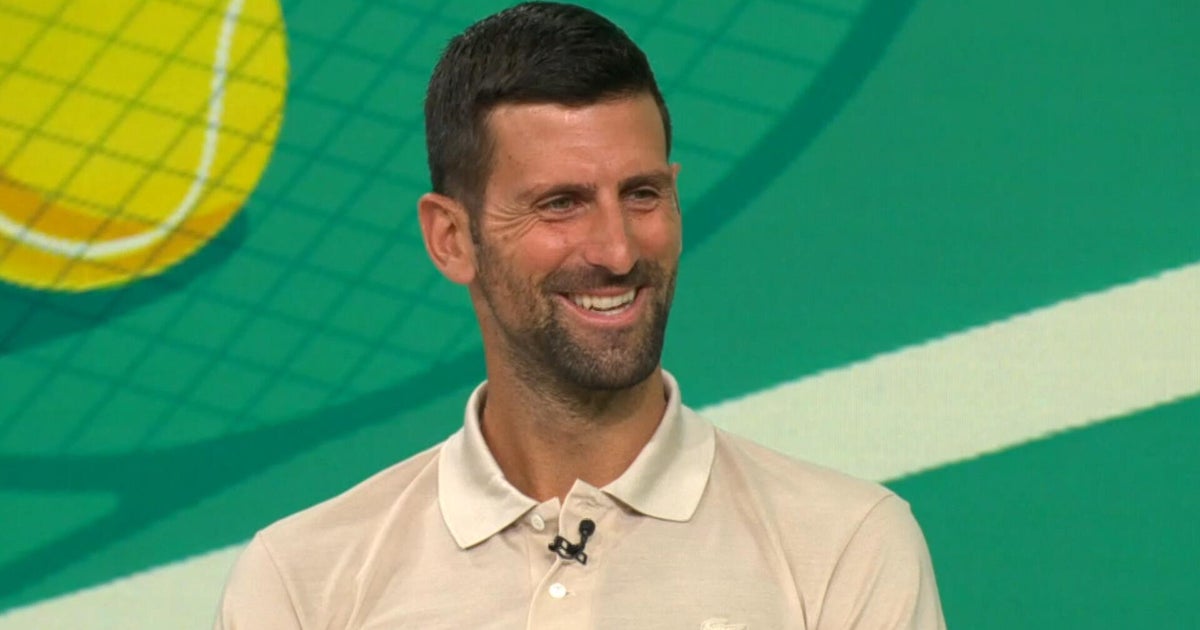
Reported facts: CBS News aired an interview with Novak Djokovic in which he said he is 39, holds a record 24 Grand Slam singles titles and 428 weeks at No. 1, and lost in the Wimbledon semifinals to Jannik Sinner after winning a 5-hour, 15-minute quarterfinal over Felix Auger-Aliassime; he stated he is focused on the upcoming U.S. Open and mentioned a documentary titled "Novak Djokovic: The Wolf in Winter." Attributed claims/quotes: Djokovic said his body reminds him of his age, that he can always improve, that he grew up in a family of skiers and began tennis at four, and that he is balancing competition with family life. Uncertainties: the article reports Djokovic’s subjective assessments (recovery, motivation, and balance) and promotional details about the documentary; independent verification of medical, scheduling, or documentary specifics is not provided.
Source and Framing Analysis
Role of source: CBS News is presenting a first-person interview and profile, relying primarily on Djokovic’s own statements. Missing voices: Djokovic’s opponents (e.g., Jannik Sinner, Felix Auger-Aliassime), medical or sports-science perspectives on recovery and aging, tournament officials, and Serena Williams’ own account beyond match outcome are absent. Incentives and framing: the piece has a sympathetic, human-interest tone that foregrounds personal narrative and may function to maintain public interest in Djokovic and his upcoming documentary. Disputed or technical claims requiring verification: medical assertions about recovery and long-term wear-and-tear, documentary release date and content, and detailed match statistics could be independently verified but are not corroborated here.
Biblical Reflection
This article is a human-interest profile highlighting perseverance, humility, and the reality of aging in elite sport. Its intentions are celebratory and informative rather than investigative; it largely relays Djokovic’s personal reflections, which are subjective but straightforward. The underlying worldview emphasizes personal discipline, continual self-improvement, and public admiration for high achievement. From a Christian perspective, these are praiseworthy virtues when balanced by humility and love for family, but they can also risk idolizing success and performance. The piece invites admiration for discipline and gratitude for public figures who model perseverance, while also prompting discernment about placing ultimate worth in trophies or public acclaim rather than in God and faithful relationships. The article does not present factual controversy or policy implications; its claims are personal testimony and verifiable match results.
Scripture in context
- 1Philippians 3:12-14 — Paul writes about pressing on toward a goal—he acknowledges he has not 'arrived' but pursues the prize of the heavenly calling; the passage sits in a letter encouraging perseverance and correct motivation amid competing claims. — Applied to Djokovic’s remarks, this passage can help Christians differentiate a healthy, humble striving (pressing on for a worthy goal) from prideful self-justification; it suggests pursuing excellence while recognizing dependence on grace and the higher end of loving obedience.
Faithful Response
Individuals can (1) pray for athletes and their families for wisdom and health; (2) practice grateful restraint—admire athletic gifts without making them ultimate sources of meaning; (3) evaluate personal ambition through the lenses of love, Sabbath-rest, and family responsibility; and (4) support local youth sports as opportunities for character formation rather than mere talent factories.
Reflection and Discussion
- 1Which voices are missing from the article, and how would their inclusion change the story's shape?
- 2How does media attention on athletic achievement shape our values about success and worth?
- 3When an athlete speaks about sacrifice and family, what questions should we ask to discern healthy priorities versus cultural pressures to perform?
Sources
Reporting links are evidence inputs; Sanctuary News' biblical reflection is commentary.
This outlook currently relies on fewer than two linked sources. Broaden verification before teaching from it.
- 1.Novak Djokovic on Aging, Wimbledon, and Serenaprimary_reporting