News Summary
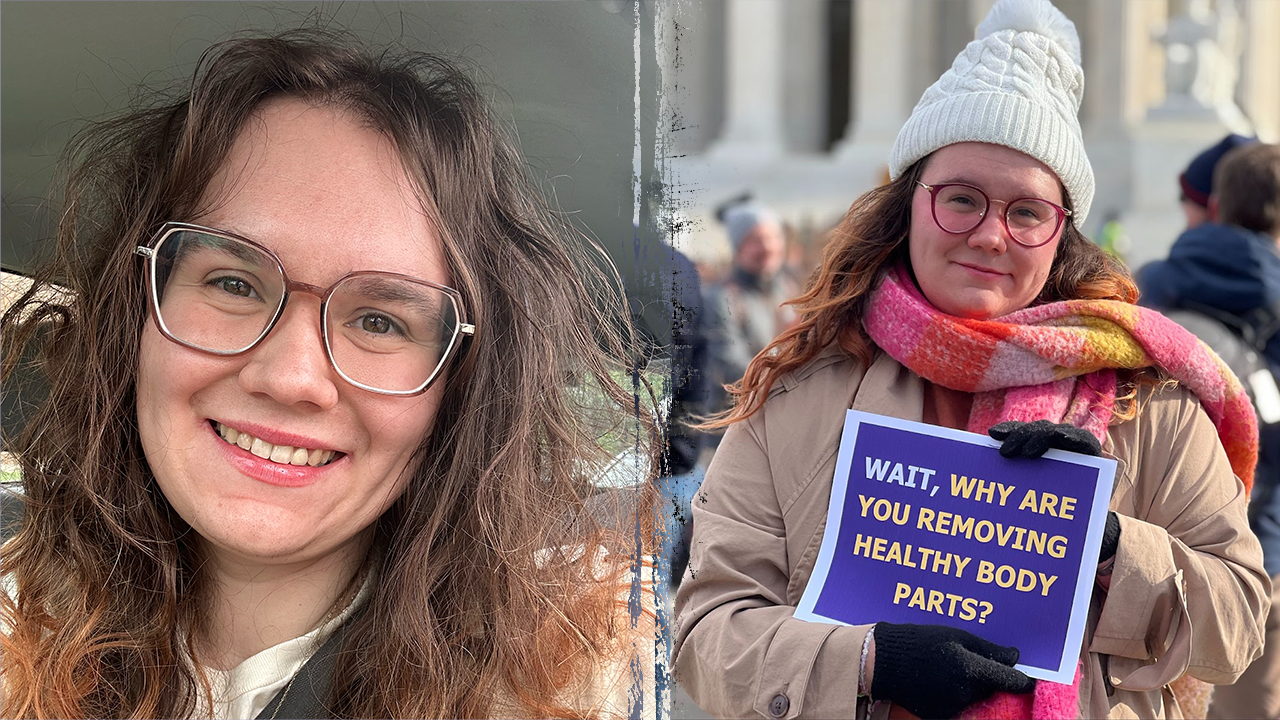
Prisha Mosley, who says she detransitioned after receiving testosterone and chest surgery as a teenager, filed suit in 2023 alleging fraud, negligence, and malpractice by the medical providers who treated her. A trial court dismissed her claims on statute-of-limitations grounds. North Carolina lawmakers later extended the statute of limitations for certain cases of this kind, but the dismissal with prejudice remains in place. Mosley’s attorneys at Campbell Miller Payne have appealed to the North Carolina Court of Appeals, arguing that deception by medical providers can delay a patient’s awareness of harm and that the case should be allowed to proceed to a jury. The appeal was submitted in written briefing on Monday, April 13, 2026; the attorneys argue the court should permit examination of what doctors knew, what they disclosed, and whether the standard of care was met. The piece is an opinion column written by Mosley and her attorney advocating that the appeals court allow the case to move forward and noting related legal developments and prior verdicts in similar matters.
Biblical Reflection
From a Christian perspective, this story raises several intersecting concerns: the care and protection of vulnerable young people, the moral responsibility of medical professionals to do no harm, and the pursuit of justice where wrongdoing or deception is alleged. The authors present a personal testimony and legal argument focused on accountability; readers should note this is an advocacy piece written by the plaintiff and her lawyer and does not present opposing medical or legal perspectives. Biblically, we are called to defend the vulnerable and to seek justice (e.g., Proverbs 31:8–9), which supports careful scrutiny when adults make life-altering choices for minors. At the same time, Christian discernment urges charity and caution in public judgment: complex medical and psychological issues often involve competing responsibilities—parental authority, informed consent, professional standards, and pastoral care—that courts and communities must balance. Practically, Christians should look for truth by considering evidence, listening to multiple expert voices (medical, legal, pastoral), and advocating systems that protect minors, ensure rigorous informed consent, and provide compassionate care and healing for those harmed.
Scripture in context
This outlook does not yet include contextual Scripture citations. Do not treat a general biblical theme as an exegetical conclusion.
Faithful Response
No prescribed response is offered. Consider the reflection prompts below in your own church context.
Reflection and Discussion
- 1What assumptions about authority, identity, and expertise does the article make, and whose perspectives or evidence are missing from this narrative?
- 2How should Christians weigh the duty to protect vulnerable children against the need for compassionate, evidence-based care for those experiencing gender distress?
- 3Are legal remedies being sought here primarily to secure individual redress, to set policy precedent, or both—and how does that affect how we evaluate the public claims?
Sources
Reporting links are evidence inputs; Sanctuary News' biblical reflection is commentary.
This outlook currently relies on fewer than two linked sources. Broaden verification before teaching from it.
- 1.Original reportprimary