News Summary
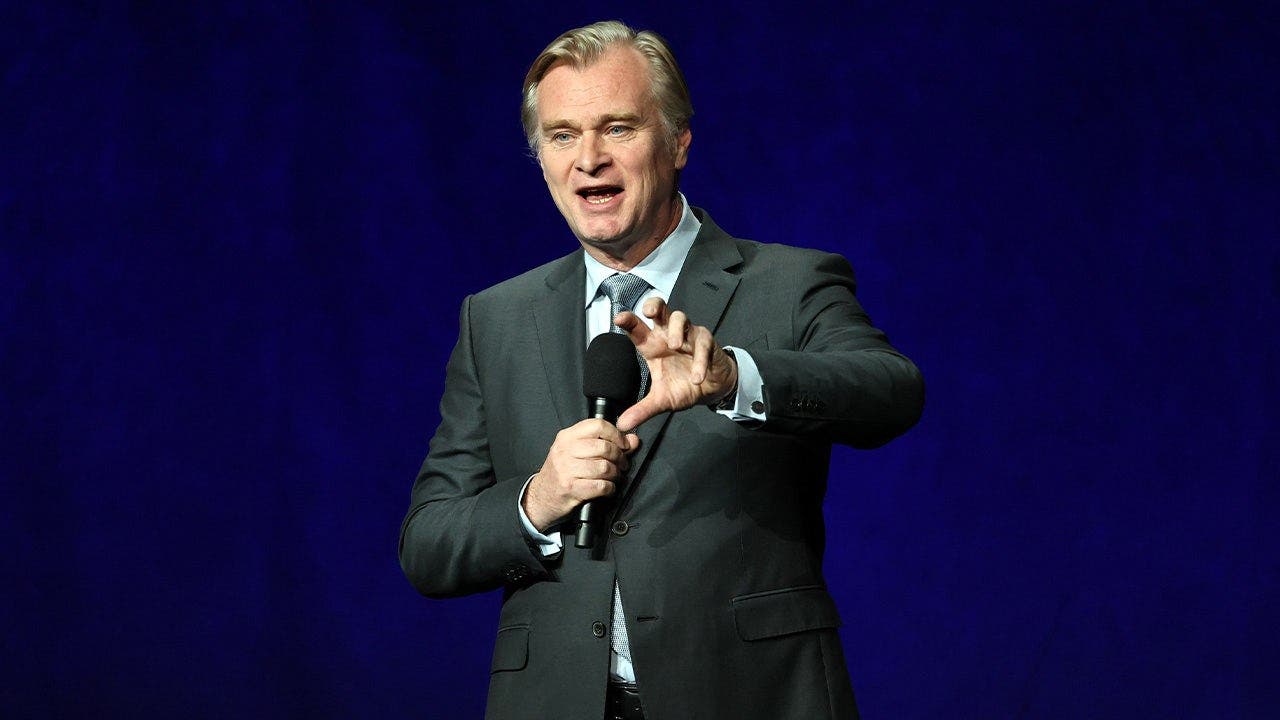
Christopher Nolan told The Telegraph that pre-release conversations and critical backlash about his film The Odyssey are "irrelevant," arguing people can't judge the film before seeing it. The article reports criticism aimed at Nolan's casting choices, including Lupita Nyong’o as Helen of Troy and Elliot Page (a trans man) as the warrior Sinon, and at modernized dialogue and reported influence from Emily Wilson's translation of Homer. The author contends these casting choices constitute race- and gender-swapping that reflect diversity, equity, and inclusion (DEI) priorities and argues critics deserve direct answers rather than dismissal. The piece cites audience unease over perceived inauthenticity (examples include modern words like "dad" and "daddy" in the dialogue), notes positive early reviews from some critics, and urges Nolan to justify his interpretive choices rather than calling criticism "irrelevant."
Biblical Reflection
This news item sits at the intersection of artistic freedom, cultural identity, and public conversation. On one hand, filmmakers exercise creative license when adapting ancient texts for modern audiences; on the other, viewers reasonably ask about fidelity to source material and the reasons behind visible casting and stylistic choices. The article frames those questions through a partisan lens, using charged language (e.g., "gaslighting," "woke," "liberal") that pushes readers toward a culture-war interpretation rather than a neutral assessment of artistic intent. Christians should resist quick tribal judgments and neither reflexively defend artists nor reflexively condemn them. Truth-seeking here means checking facts (what the film actually does), listening for motivations (artistic interpretation vs. deliberate political signaling), and assessing impacts (does the film dignify persons, foster understanding, or deepen division?). Pastoral virtues call for humility from filmmakers who dismiss public concern outright, and for charity from critics who can raise substantive questions without assuming bad faith. Ultimately, this controversy is primarily cultural and symbolic: it tests how communities discuss art, identity, and storytelling—an area where Christians are called to model honest engagement, courageous speech, and peaceable witness.
Scripture in context
This outlook does not yet include contextual Scripture citations. Do not treat a general biblical theme as an exegetical conclusion.
Faithful Response
No prescribed response is offered. Consider the reflection prompts below in your own church context.
Reflection and Discussion
- 1Are critics focused on fidelity to the source text or on broader cultural power dynamics, and how does that difference change the legitimacy of their concerns?
- 2Does the language and tone of coverage steer you toward a partisan reaction instead of a measured assessment of artistic intent and effect?
- 3How can Christians model a posture that seeks truth about the work while preserving the dignity of artists and those represented on screen?
Sources
Reporting links are evidence inputs; Sanctuary News' biblical reflection is commentary.
This outlook currently relies on fewer than two linked sources. Broaden verification before teaching from it.
- 1.Original reportprimary