News Summary
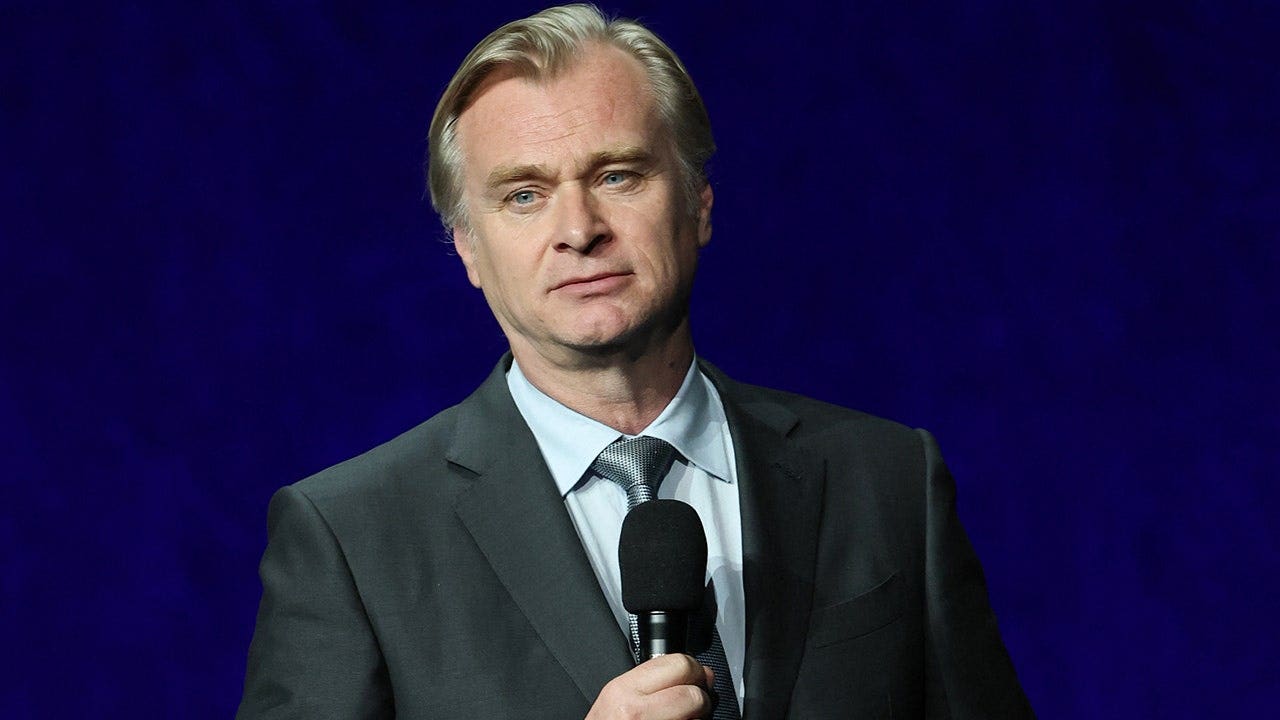
Christopher Nolan's upcoming film adaptation of The Odyssey has sparked public controversy over casting, historical accuracy, and modernized language. Lupita Nyong'o was cast as Helen of Troy; critics on social media noted that Homer's description of Helen as having "white arms" and the perception of Nyong'o's African heritage have prompted objections about fidelity to the text. Transgender actor Elliot Page was cast as Sinus, a warrior in Odysseus' circle, and rapper Travis Scott appears in an unspecified role. Some viewers also criticized costuming and prop choices (examples cited include armor styles and ship design) and the use of contemporary dialogue, with one noted line being Tom Holland's character referring to Odysseus as "dad." Reports state Nolan canceled influencer screenings and limited advance viewings to approved critics; social-media reactions included calls that the film had been "ruined" by perceived ideological decisions and some defenses of Nolan's interpretive approach. Nyong'o defended the cast as "representative of the world" and Nolan explained artistic choices as attempts to bring his own interpretation while honoring oral traditions. The film is set to premiere in theaters on July 17, 2026.
Biblical Reflection
This story sits at the intersection of art, cultural identity, and public reaction. Factually, the article documents choices (casting, dialogue, design) and a vociferous social-media response; it also reports creators' defenses. The underlying worldview driving much of the backlash frames artistic fidelity as equivalent to literal historical/ethnic replication and treats deviation as a political statement. The article highlights that media and social platforms often amplify polarized takes rather than measured critique—selecting inflammatory quotes and user comments that stoke outrage. From a Christian pastoral perspective, two healthy principles apply: pursue truth and show neighborly charity. Truth requires distinguishing between legitimate questions (e.g., how adaptation choices affect historical understanding or cultural representation) and reactionary claims grounded in identity politics or dehumanizing rhetoric. Charity requires resisting online shaming, avoiding quick, absolute judgments about artists' motives, and remembering that creative works are interpretive acts. Christians can evaluate artistic choices honestly—holding to historical and cultural integrity where it matters—while avoiding the temptation to reduce people to their tribe or to celebrate their public humiliation. Finally, consider how our responses shape civic virtue: debate can be rigorous without cruelty, and critiques should seek restoration and understanding rather than scorekeeping.
Scripture in context
This outlook does not yet include contextual Scripture citations. Do not treat a general biblical theme as an exegetical conclusion.
Faithful Response
No prescribed response is offered. Consider the reflection prompts below in your own church context.
Reflection and Discussion
- 1Are objections to this film rooted in concerns about historical fidelity and cultural respect, or are they serving broader cultural grievances and identity anxieties?
- 2How does the framing of outrage in media and social posts shape our perception of an artist's intent before the work is widely seen?
- 3Can we hold creators accountable for choices we disagree with while preserving dignity and pursuing constructive conversation?
Sources
Reporting links are evidence inputs; Sanctuary News' biblical reflection is commentary.
This outlook currently relies on fewer than two linked sources. Broaden verification before teaching from it.
- 1.Original reportprimary