News Summary
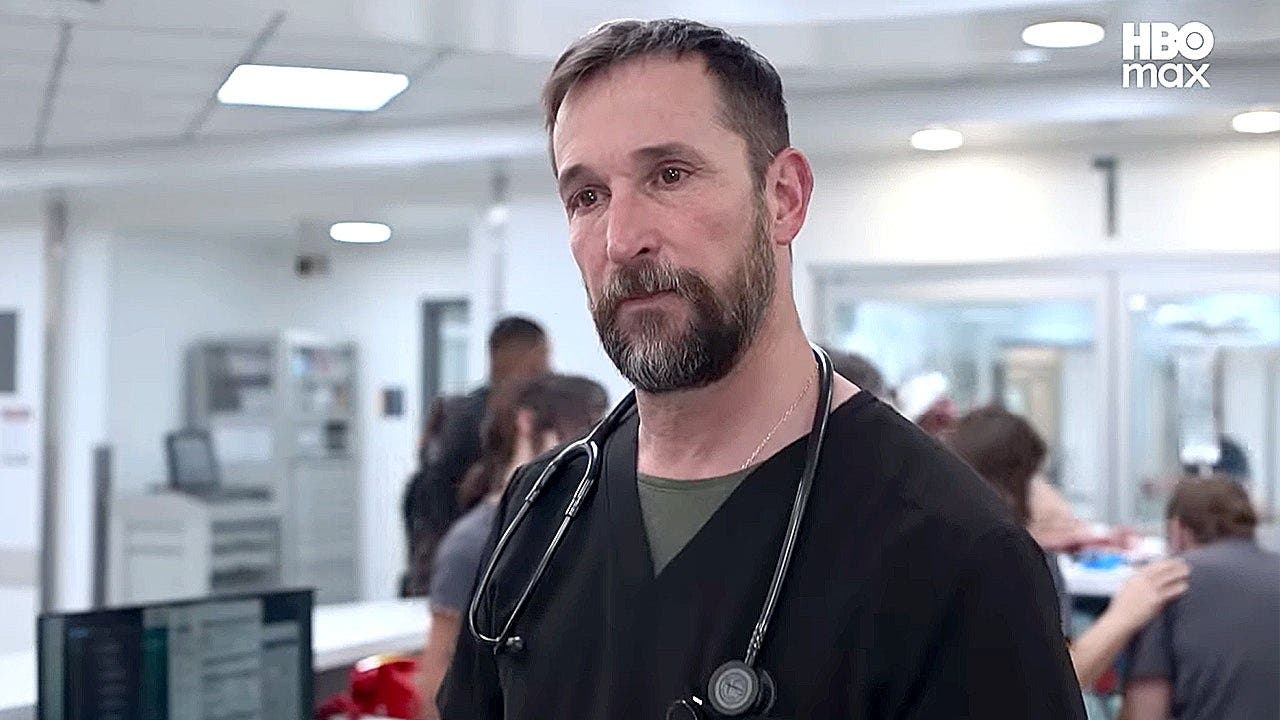
The season 2 finale of HBO's medical drama The Pitt generated online debate after a storyline portrayed a female emergency physician who had been hiding a seizure disorder. In the episode, Noah Wyle's character, Dr. Robby, confronts the colleague and argues she is unfit to run a high-pressure ER because of the condition. Some viewers on social media accused the show of ableism and criticized Wyle personally (he is an executive producer and co-writer), citing comments he made about his character's abrasive behavior toward female staff. Other viewers defended the series, arguing that emergency-medicine realism and patient safety justify the storyline. The backlash included criticism of the exit of actress Supriya Ganesh’s character, with some fans alleging the writing removed a woman of color. Wyle's team did not immediately respond to requests for comment in the story.
Biblical Reflection
This story sits at the intersection of storytelling, workplace ethics, and public conversation about disability. Fictional dramas often dramatize conflict to explore real risks — here, the show presents a tension between inclusion and the safety demands of emergency medicine. The coverage and social-media reaction show three recurring dynamics: (1) audiences sometimes conflate actors, writers, and characters; (2) complex ethical trade-offs (patient safety vs. employment inclusion) are compressed into short, emotive online arguments; and (3) creators who are also producers receive intensified personal criticism when contentious scenes provoke backlash. From a Christian perspective, seek nuance and charity. Resist the impulse to reduce people to one statement or one role (whether an actor or a character). Advocate for honest depiction of real dangers in professions like medicine while also caring for and honoring persons with disabilities, who deserve both opportunity and reasonable accommodations. Call for responsible speech from both creators and critics: creators should weigh real-world consequences of portrayals and avoid dehumanizing language, while critics should allow space for narrative complexity rather than assuming malevolence. Ultimately, truth-telling should be coupled with love — holding creators accountable without cruelty, and defending the vulnerable without shutting down legitimate safety concerns.
Scripture in context
This outlook does not yet include contextual Scripture citations. Do not treat a general biblical theme as an exegetical conclusion.
Faithful Response
No prescribed response is offered. Consider the reflection prompts below in your own church context.
Reflection and Discussion
- 1Are you distinguishing between a fictional character's actions and the real beliefs or motives of the actor or writer, or are you conflating them?
- 2How should storytellers balance realistic portrayals of professional risk with care for how marginalized groups are represented?
- 3When you see sharp social-media reactions, what steps can you take to look for nuance and avoid joining a rush to vilify?
Sources
Reporting links are evidence inputs; Sanctuary News' biblical reflection is commentary.
This outlook currently relies on fewer than two linked sources. Broaden verification before teaching from it.
- 1.Original reportprimary