News Summary
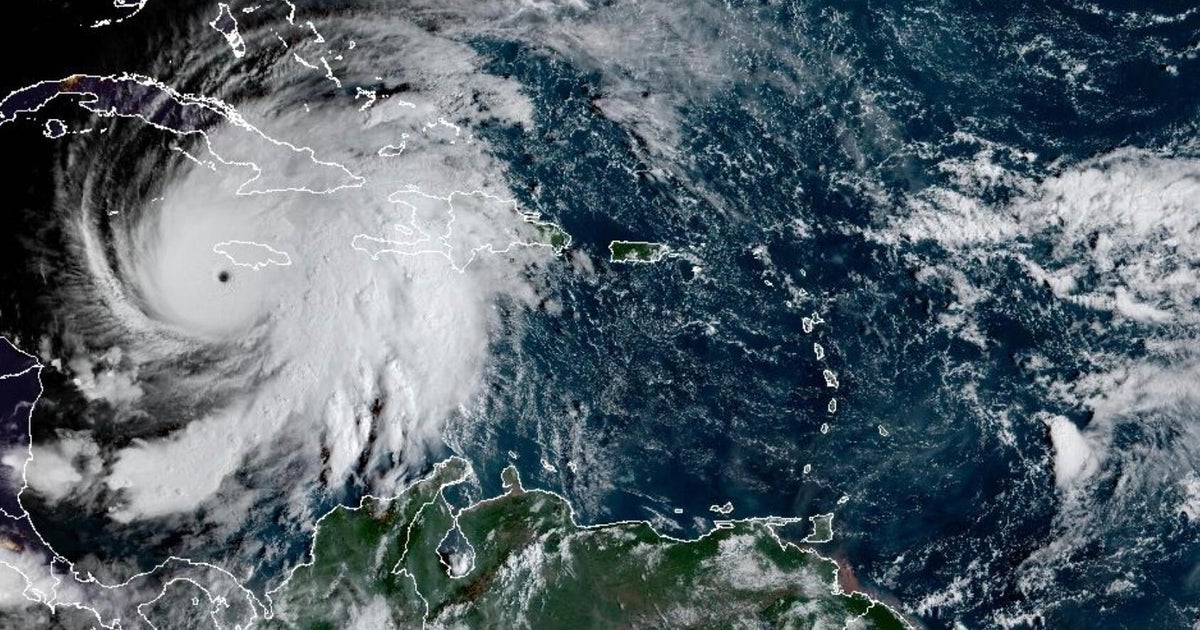
NOAA released its 2026 Atlantic hurricane season outlook, forecasting a below-average season with 8 to 14 named storms, 3 to 6 hurricanes, and 1 to 3 major hurricanes (Category 3+). NOAA estimates a 55% chance of below-normal activity, 35% near-normal, and 10% above-normal. Officials emphasized that a below-average forecast does not eliminate the risk of a damaging storm and urged preparation. NOAA cited technological improvements in forecasting and noted the outlook will be updated several times over the summer. The report mentions the likely emergence of El Niño — NOAA's Climate Prediction Center estimated at least an 82% chance El Niño will be in place by July — which historically correlates with reduced Atlantic activity but does not prevent storms. Colorado State University's forecast, released earlier, predicted slightly below-average activity (13 named storms, 6 hurricanes, 2 major hurricanes). The article also reviews NOAA's 2025 forecast and season outcomes, explains naming thresholds and Saffir-Simpson categories, and notes the World Meteorological Organization's precompiled list of 21 storm names for 2026.
Biblical Reflection
The article is a straightforward informational forecast focused on seasonal statistics, probability, and the practical reminder that even a single storm can cause severe harm. It neither sensationalizes nor minimizes risk: it reports numerical forecasts, the role of El Niño, and the existence of uncertainty. From a Christian perspective, this reporting invites two balanced responses. First, it supports biblical wisdom about prudent planning and stewardship: preparing for foreseeable risks honors God and protects neighbors (cf. Proverbs and Luke's teaching on counting the cost). Second, it cautions against two unhelpful extremes — complacency because averages are "below normal," and panic because of worst-case headlines. The piece leans toward responsible civic stewardship by highlighting improved forecasting tools and urging preparedness; that aligns with the biblical call to use knowledge and resources to care for the vulnerable (Matthew 25:35–40). Readers should also notice an implicit technological optimism — confidence that better forecasts reduce harm — which is often true, but technology is a tool, not ultimate security. Ultimately, the article's narrative is fact-centered and practical: it encourages wise preparation, sober attention to uncertainty, and care for communities at risk.
Scripture in context
This outlook does not yet include contextual Scripture citations. Do not treat a general biblical theme as an exegetical conclusion.
Faithful Response
No prescribed response is offered. Consider the reflection prompts below in your own church context.
Reflection and Discussion
- 1Does labeling a season "below-average" risk creating complacency among readers, and how should that statistical framing shape our thinking about preparedness and care for neighbors?
- 2How does the article balance confidence in technological forecasting with the reality of uncertainty, and what spiritual posture should Christians cultivate toward tools that reduce risk but do not eliminate it?
- 3In what ways does responsible reporting on natural hazards invite Christians to practice stewardship, compassion, and community resilience rather than fear or indifference?
Sources
Reporting links are evidence inputs; Sanctuary News' biblical reflection is commentary.
This outlook currently relies on fewer than two linked sources. Broaden verification before teaching from it.
- 1.Original reportprimary