News Summary
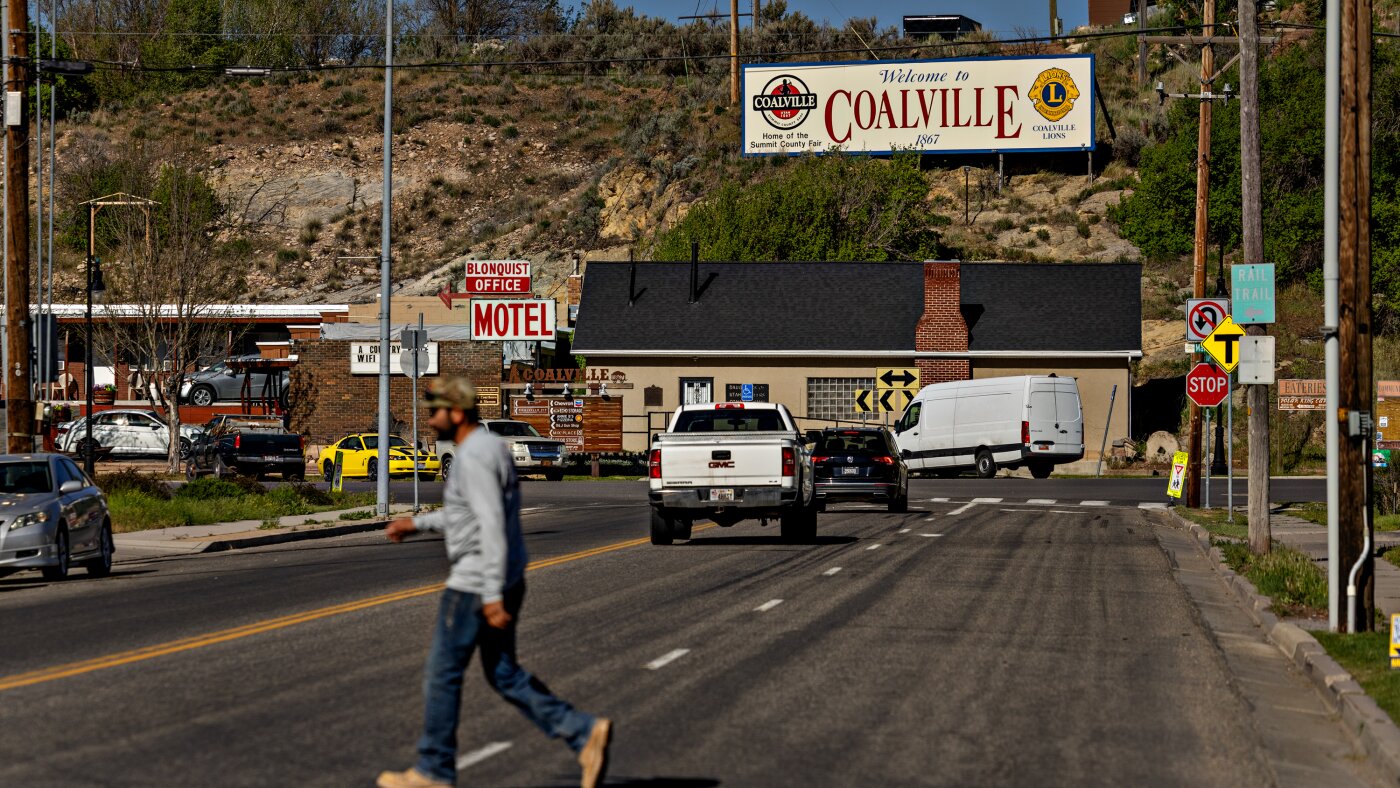
Nineteen Utah cities, towns and counties formed a coalition called Utah Renewable Communities to increase renewable electricity supplied to participating communities. The coalition includes Salt Lake City, Park City, Moab, Springdale, Summit County (Coalville), Castle Valley and others, representing nearly 300,000 homes and businesses. The Utah Legislature passed enabling legislation in 2019; the state Public Service Commission approved the program earlier in 2024. Rocky Mountain Power (a PacifiCorp utility) has agreed to enroll every home in participating communities under the program. Participating customers will see a $4 monthly fee on electric bills beginning next year (low-income residents may have the fee covered and customers may opt out). The coalition aims to have its first clean energy project announced in summer 2024 and to begin generating power by 2030. Utah gets roughly three-quarters of its electricity from coal and natural gas and about 22% from renewables; state officials have recently taken steps to extend the life of some coal plants. The article notes local drivers for the coalition (cost, grid reliability, and climate concerns), mentions that PacifiCorp scaled back its own renewable plans after federal changes to tax incentives, and cites industry analysis saying large renewables with battery storage can be cost-competitive.
Biblical Reflection
From a biblical perspective, several faithful principles are visible in this story. Stewardship: caring for the created world and managing resources wisely aligns with Scripture's call to steward creation (Genesis 2:15). Community and subsidiarity: local collaboration across political and economic lines reflects the biblical value of neighborly care and working together for the common good (Philippians 2:4). Prudence and justice: the coalition's attention to cost, grid reliability, and allowances for low-income customers shows concern for practical wisdom and protecting vulnerable people—both biblical priorities.
At the same time, Christians should read the article discerningly. The piece frames the effort as a response to federal policy rollbacks and highlights climate science and urgency; these are factual elements but are presented within NPR's editorial context that favors local climate action. The article rightly notes limits—one regional initiative won't solve global climate change—but suggests local leadership can influence broader trends. A faithful Christian response balances hope in practical local action with realism about scale, resists partisan thinking that treats environmental care as purely political, and cares pastorally for communities economically tied to fossil fuels.
In short: the article describes a constructive, collaborative local effort that fits Christian commitments to creation care, neighbor-love, and wise stewardship. Christians should applaud cooperative solutions, ask hard questions about economic impacts for workers and places dependent on fossil fuels, and promote policies that protect the poor while seeking sustainable, reliable energy.
Scripture in context
This outlook does not yet include contextual Scripture citations. Do not treat a general biblical theme as an exegetical conclusion.
Faithful Response
No prescribed response is offered. Consider the reflection prompts below in your own church context.
Reflection and Discussion
- 1What motives—care for creation, economic prudence, or political signaling—are emphasized in this story, and how should those motives shape our support or critique?
- 2How can Christians hold together creation care and compassion for workers and towns historically dependent on fossil fuels when evaluating energy transitions?
- 3Does the article invite unity around practical local solutions, or does its framing encourage further political polarization about environmental stewardship?
Sources
Reporting links are evidence inputs; Sanctuary News' biblical reflection is commentary.
This outlook currently relies on fewer than two linked sources. Broaden verification before teaching from it.
- 1.Original reportprimary