News Summary
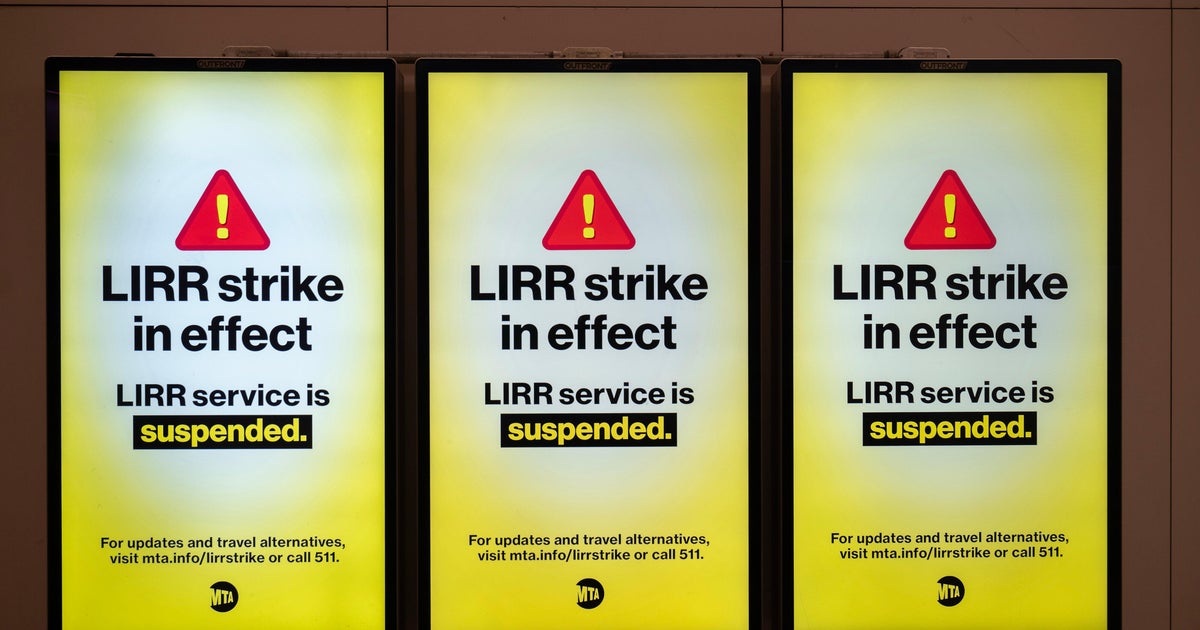
A late-night meeting called by the federal National Mediation Board (NMB) between the Metropolitan Transportation Authority (MTA) and leaders of five Long Island Rail Road (LIRR) unions ran until about 1:30 a.m. but did not produce a deal to end the strike that has shut down LIRR service. The parties planned to resume negotiations at 7:30 a.m. Monday. Union sources said the MTA had agreed to a 9.5% wage increase over the first three years of a proposed contract and that they were two percentage points apart on the fourth year, but that talks broke down when the MTA proposed raising new hires’ healthcare contributions from 2% to 10%. Union leaders criticized the offers as insufficient when adjusted for inflation and objected to health insurance changes; MTA Chair and CEO Janno Lieber said LIRR workers are among the highest-paid rail employees in the country and accused unions of seeking an unworkable deal. New York Gov. Kathy Hochul publicly urged both sides to return to the table and said each day of the strike costs the economy an estimated $61 million. The MTA said it will run shuttle buses from six locations starting at 4 a.m. to connect Long Island commuters to the subway during the strike. Nassau County Executive Bruce Blakeman urged temporarily suspending congestion pricing tolls, which the governor said is not legally possible.
Biblical Reflection
From a Christian perspective, this story raises competing goods: the legitimate need for workers to seek fair wages and secure healthcare, and the public responsibility of government and transit authorities to steward limited public resources and minimize harm to commuters. Both sides appeal to legitimate concerns—worker dignity, fair compensation, and the responsible use of taxpayer funds—but the public framing (quotes from anonymous union sources, headline focus on disruption, and leadership statements about high pay) often pushes readers toward sympathy for either side. Christians should listen for narratives that dehumanize the other party (portraying workers only as costly or management only as stingy) and instead attend to principles of justice, honesty, and neighbor-love. Practically: negotiate truthfully (honest weights and measures), protect vulnerable people affected by the disruption (commuters, lower-income riders, and lower-paid staff), and seek creative compromise that preserves healthcare and basic dignity while addressing long-term sustainability. Watch for policy proposals (like higher new-hire health contributions or two-tier benefits) that may solve short-term budgets but create lasting inequality; evaluate them against biblical justice toward labor (protecting the worker) and stewardship of community resources. Pray for humility, patience, and wisdom for negotiators so the outcome honours both truth and neighborly care.
Scripture in context
This outlook does not yet include contextual Scripture citations. Do not treat a general biblical theme as an exegetical conclusion.
Faithful Response
No prescribed response is offered. Consider the reflection prompts below in your own church context.
Reflection and Discussion
- 1Which voices and facts are being highlighted by sources quoted in the article, and how might that shape public sympathy or pressure on negotiators?
- 2Are short-term budget fixes being presented as neutral when they may create long-term inequality (for example, higher health contributions for new hires)?
- 3How does a Christian view balance concern for workers' dignity and fair pay with responsibility to the broader community harmed by prolonged service disruptions?
Sources
Reporting links are evidence inputs; Sanctuary News' biblical reflection is commentary.
This outlook currently relies on fewer than two linked sources. Broaden verification before teaching from it.
- 1.Original reportprimary