News Summary
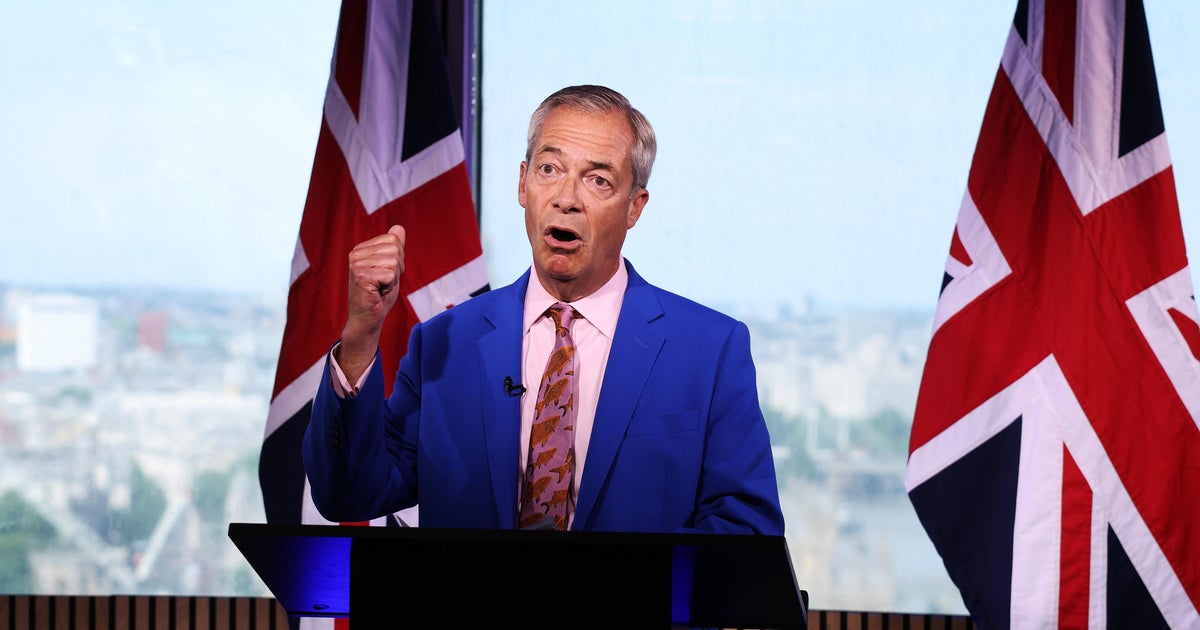
Nigel Farage resigned his seat in the U.K. Parliament to trigger a by‑election in the Clacton constituency and announced he will stand to reclaim the seat. His resignation pauses two parliamentary investigations into donations and declarations related to gifts from wealthy individuals. Farage faces accusations that he failed to disclose financial gifts, including from a 32‑year‑old convicted criminal reported to have called him "Daddy," according to The Sunday Times. He said he has "done nothing wrong" and framed the by‑election as a "people versus the establishment" vote. Labour leader Keir Starmer called the move a "desperate stunt," while BBC analysts described it as an appeal to a higher political authority than the parliamentary standards committee. Reform UK, which supports mass deportations of undocumented migrants and abandoning national climate targets, has been leading opinion polls and has performed strongly in local elections; the party’s rise contributed to pressure that led Starmer to resign as Labour leader last month, with Andy Burnham expected to replace him soon. If Farage wins the by‑election he would return to Parliament and could be a major challenger in the next national election; if he loses he cannot become prime minister.
Biblical Reflection
This story displays a common populist political strategy: trading institutional accountability for direct appeals to voters. Farage’s move seeks electoral reinforcement rather than completing internal parliamentary probes, which can both energize supporters and frustrate systems of oversight meant to hold leaders responsible. Christians should be cautious about immediate partisan alignment with charismatic leaders; scripture‑rooted wisdom values both truth and mercy. Demand for transparent integrity in public life is consistent with biblical calls to honest stewardship of power, while Christians should avoid reducing complex accountability mechanisms to mere "establishment" caricatures. At the same time, recognize the genuine political energies and grievances driving populist movements; responding with justice, clear moral standards, and patient civic engagement is preferable to reflexive condemnation or uncritical support.
Scripture in context
This outlook does not yet include contextual Scripture citations. Do not treat a general biblical theme as an exegetical conclusion.
Faithful Response
No prescribed response is offered. Consider the reflection prompts below in your own church context.
Reflection and Discussion
- 1When a politician seeks a direct public mandate while an investigation is suspended, whose authority are voters being asked to endorse—the person or the process of accountability?
- 2How does 'people versus the establishment' rhetoric simplify complex institutional duties, and what spiritual dangers arise when electoral will substitutes for lawful oversight?
- 3Are Christians tempted to prioritize cultural affinity with a leader over the biblical demands for truthfulness, justice, and care for the vulnerable?
Sources
Reporting links are evidence inputs; Sanctuary News' biblical reflection is commentary.
This outlook currently relies on fewer than two linked sources. Broaden verification before teaching from it.
- 1.Original reportprimary