News Summary
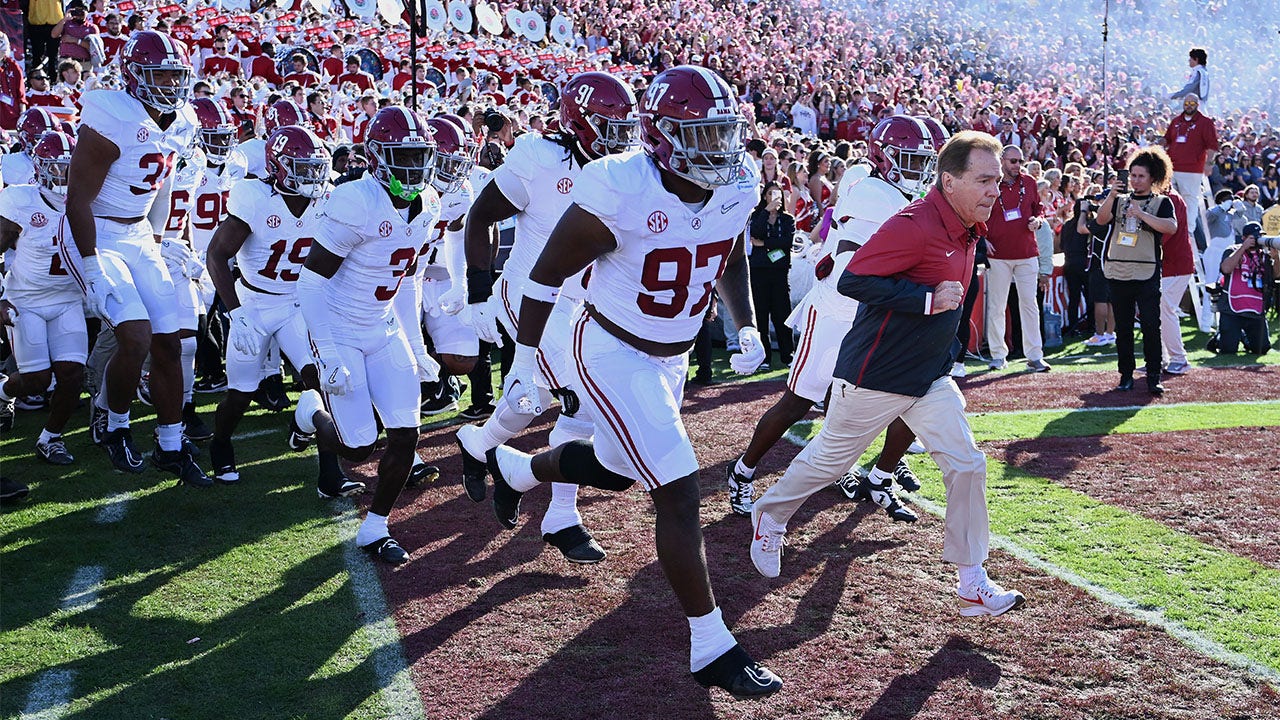
On June 3, 2026, Nick Saban testified before the Senate Committee on Commerce, Science, and Transportation in Washington, D.C. During his testimony he discussed advising President Donald Trump on a potential executive order aimed at regulating college athletics, warning that without new rules on transfers and eligibility the sport could face "chaos" and financial problems. The article responds to online criticism of Saban, where some accused him of hypocrisy or of relying on illicit payments to win. The writer disputes those accusations, noting Saban's coaching record: success at Toledo, Michigan State, LSU, and long tenure at Alabama; Alabama's 2023 season (12-2, SEC champion, Rose Bowl loss to Michigan); Saban was 72 when he left Alabama in 2023; and Saban's widely cited coaching tree that includes coaches such as Kirby Smart and Jimbo Fisher. The piece argues that paying players was a widespread problem before the NIL era and that Saban's accomplishments predate and extend beyond any alleged improprieties. The article is an opinion column defending Saban's legacy while criticizing online slander.
Biblical Reflection
This article is primarily an opinion piece defending a public figure and pushing back against social-media accusations. It mixes factual reporting (Senate testimony, dates, career history) with strong evaluative language and loyalty to Saban. From a Christian discernment standpoint, note two things: first, truth matters — claims about wrongdoing should be tested against evidence and due process rather than rapid online judgment. Second, mercy and humility matter — vigorous defense of a person can be faithful, but it can also become tribal if it dismisses legitimate systemic questions about fairness in college athletics. The author rightly calls for perspective about Saban’s career accomplishments, which is a fair corrective to blanket smears. At the same time, the piece downplays structural issues raised by NIL and booster influence that deserve sober attention. Christians should welcome accountability for institutions and leaders while resisting slander, remembering that praising achievement does not exempt anyone from honest scrutiny. In public conversations, pursue truth with humility, protect the vulnerable (including college athletes), and practice charity toward both critics and the praised.
Scripture in context
This outlook does not yet include contextual Scripture citations. Do not treat a general biblical theme as an exegetical conclusion.
Faithful Response
No prescribed response is offered. Consider the reflection prompts below in your own church context.
Reflection and Discussion
- 1Are online accusations about public figures being treated as verified facts, or are we allowing rumor and outrage to shape judgment?
- 2How can admiration for a leader’s achievements coexist with a willingness to investigate and reform unfair systems that may have benefited them?
- 3When sports, money, and politics intersect, whose voices are least heard and what does that imply about our responsibility to seek justice?
Sources
Reporting links are evidence inputs; Sanctuary News' biblical reflection is commentary.
This outlook currently relies on fewer than two linked sources. Broaden verification before teaching from it.
- 1.Original reportprimary