News Summary
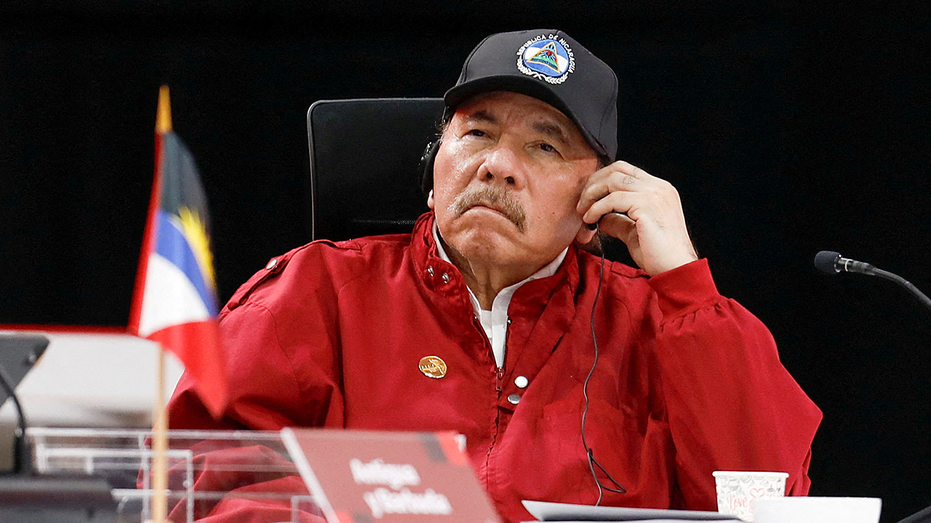
Reported facts: Fox News reports Nicaragua’s National Assembly is planning to pass measures that would eliminate elections and thereby formalize President Daniel Ortega’s declaration that there will be “no more elections.” Attributed claims: The article attributes a declaration to President Ortega and says the move has drawn condemnation from the international community. Uncertainties: The article does not supply the proposed legal text, legislative vote details, specific international actors who condemned the move, statements from Nicaraguan officials beyond Ortega’s alleged declaration, or independent confirmations.
Source and Framing Analysis
The story is drawn from a single news report and lacks primary documents (proposed legislation, assembly votes) and named international statements, which are material to verifying the claim. The headline and lead frame the development as an outright abolition of elections; that phrasing is consequential and could reflect an early stage political proposal, rhetorical declaration, or a constitutional amendment effort—each with different legal and practical meanings. Because the supplied reporting lacks these details, the reader should treat the central claim as significant but incompletely documented until additional primary sources or independent reporting are available.
Biblical Reflection
This report describes a serious erosion of democratic governance in Nicaragua if the legislature follows through with abolishing elections—a development that has clear moral and spiritual implications. Christians are called to care for truth, justice, and the well‑being of neighbors; the removal of citizens’ political voice harms vulnerable people and limits accountability for public leaders. We should therefore treat the report with pastoral concern for those directly affected—the poor, political opponents, civil society advocates, and families facing diminished rights.
At the same time, Christians must be careful in responding: the supplied account is a single news source with limited detail. Faithful witness requires both a commitment to speak for justice and prudence in verifying facts before amplifying claims. Humility and truthfulness mean pressing for concrete evidence (texts of laws, official votes, eyewitness accounts) while advocating nonviolence, protection for those at risk, and sustained prayer for the nation.
Finally, the situation exposes competing worldviews: one that concentrates power and views political stability as order without democratic participation, and another that affirms human dignity expressed through accountable institutions. A Christian perspective prioritizes the dignity of every person and the need for institutions that protect the weak, admit correction, and enable citizens to contribute to the common good.
Scripture in context
- 1Proverbs 29:2 — In its literary context Proverbs contrasts righteous and wicked governance, offering practical wisdom about the moral consequences of leadership choices for a community’s well-being. — This passage encourages Christians to consider the moral character and consequences of political leadership: when leaders act unjustly or without accountability, the community suffers; therefore, Christians can pray for just leaders and support structures that protect the vulnerable.
Faithful Response
Pray specifically for Nicaraguan citizens, civil-society leaders, and anyone at risk from rapid political change.
Seek verified information before sharing: request legislative texts, official votes, and independent confirmations.
Support reputable human-rights and humanitarian organizations that monitor and assist people affected by political repression, including aid for displaced persons or refugees.
Engage local church teaching and small-group study on the biblical call to justice, truth-telling, and the role of citizens in a plural society.
Reflection and Discussion
- 1How should a Christian weigh the need to speak out against injustice with the responsibility to avoid inflaming situations that could increase harm to vulnerable people?
- 2In what ways does Scripture call the church to defend political participation and accountability, and how should that shape our reaction to reports of electoral abolition?
- 3What practical information must be confirmed before we issue public statements or organize concrete support for people affected by this development?
Sources
Reporting links are evidence inputs; Sanctuary News' biblical reflection is commentary.
This outlook currently relies on fewer than two linked sources. Broaden verification before teaching from it.
- 1.Nicaragua's parliament plans to eliminate elections to codify President Ortega's declarationprimary_reporting