News Summary
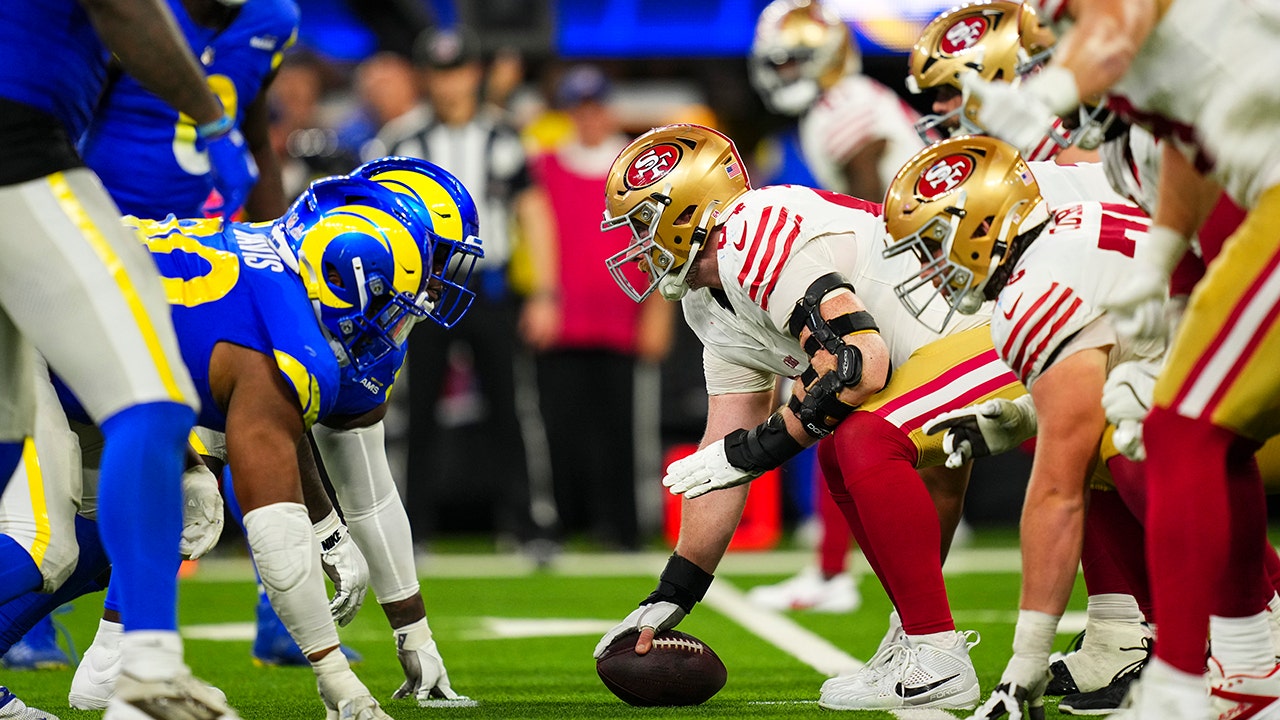
The Department of Justice is investigating the NFL's exclusive streaming deals amid fan complaints about fragmented, paid access to games. Federal Communications Commission Chairman Brendan Carr has raised questions about whether the NFL should continue to hold the special antitrust exemption created by the 1961 Sports Broadcasting Act. Commentary from legal observers has urged congressional review of the league's market power given its large revenues and rising consumer costs. Separately, the NFL and Netflix are reported to be nearing an agreement for Netflix to stream the San Francisco 49ers vs. Los Angeles Rams regular-season game on Sept. 10 in Melbourne, Australia — pending finalization. The NFL's 2026 season opener is scheduled for Sept. 9 on NBC (Seattle Seahawks vs. TBD). The Netflix-Australia game would follow previously announced Christmas Day games Netflix will stream and could be joined by other potential streaming placements (a possible Thanksgiving Eve game and moving some Monday Night doubleheader games to YouTube). NFL executives have met with FCC advisors to discuss media distribution. The league maintains it provides the vast majority of games free over-the-air (the NFL cites 88%) and plans to defend its antitrust exemption as federal scrutiny continues.
Biblical Reflection
From a Christian perspective, this story raises questions about stewardship, justice, and the public good. The NFL functions as both a business and a cultural institution: its decisions shape how communities experience a common pastime and how families spend limited resources. Scripture consistently calls for honest dealings and fair treatment of neighbors (e.g., honest scales, care for the vulnerable). When a dominant provider fragments access behind multiple paywalls, it can strain household budgets and erode shared civic moments. Government oversight (DOJ, FCC) aims to safeguard competition and consumer access; such oversight is not inherently oppositional to legitimate business activity but is meant to protect the common good. The article's framing centers on consumer frustration and regulatory scrutiny, which is a valid angle, but readers should note possible rhetorical emphasis on league revenues and 'monopoly' language that can push toward alarm. A balanced view recognizes the league's right to negotiate distribution and innovate, while also holding that powerful cultural institutions bear responsibility to pursue fairness and avoid practices that disproportionately burden ordinary people. Christians should be wary of simplistic binaries (profit = greed, regulation = good) and instead insist on truth, accountability, and love of neighbor: demanding transparency, fair competition, and reasonable access aligns with biblical convictions about justice and communal flourishing.
Scripture in context
This outlook does not yet include contextual Scripture citations. Do not treat a general biblical theme as an exegetical conclusion.
Faithful Response
No prescribed response is offered. Consider the reflection prompts below in your own church context.
Reflection and Discussion
- 1Whose interests does the coverage primarily center — consumers, corporations, or regulators — and how does that shape the story's tone?
- 2How does the fragmentation of access to cultural goods (like major sports) affect community life and our responsibility to care for neighbors who may be priced out?
- 3Are there assumptions in the article that equate innovation with progress without weighing fairness and communal impact?
Sources
Reporting links are evidence inputs; Sanctuary News' biblical reflection is commentary.
This outlook currently relies on fewer than two linked sources. Broaden verification before teaching from it.
- 1.Original reportprimary