News Summary
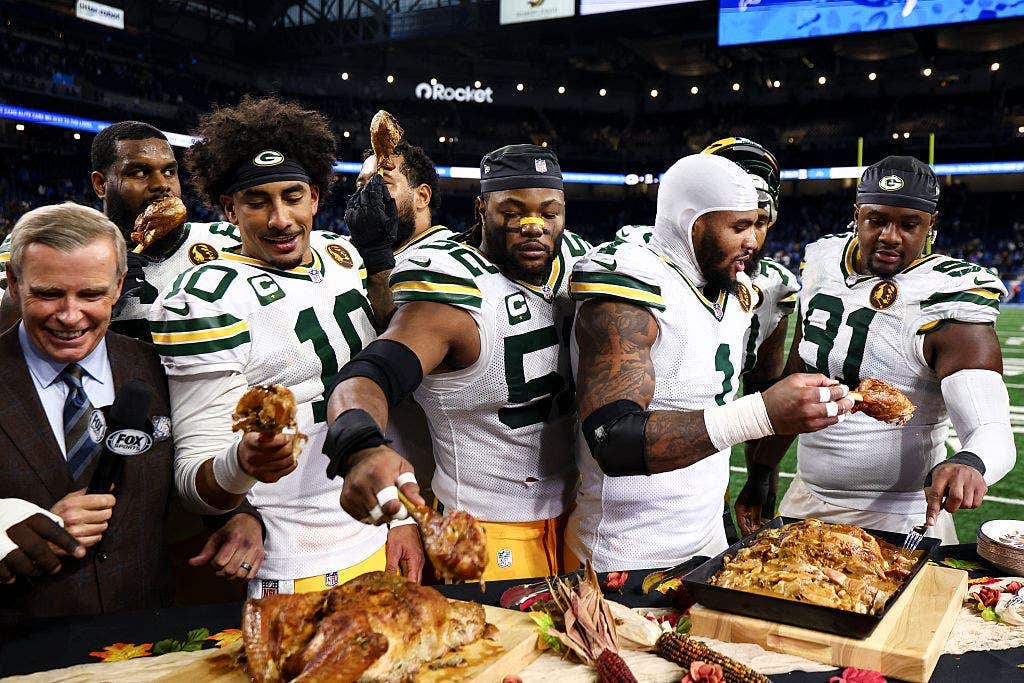
The NFL's 2026 schedule will include five games across the Thanksgiving holiday week, the league announced. The calendar around Thanksgiving is: regular Sunday games on Nov. 22; a Monday night game on Nov. 23; the first-ever Thanksgiving Eve game on Nov. 25 (Green Bay Packers at Los Angeles Rams), which will stream on Netflix; three Thanksgiving Day games on Nov. 26 (Chicago Bears at Detroit Lions in the early window; Philadelphia Eagles at Dallas Cowboys in the late-afternoon window; Buffalo Bills at Kansas City Chiefs in the nightcap); and a reported Black Friday game on Nov. 27 (multiple reports say Pittsburgh Steelers hosting Denver Broncos on Amazon Prime, though the league had not confirmed the Black Friday game at the time of reporting). The NFL will then return to a regular slate on Sunday, Nov. 29. The announced slate features about 10 teams widely viewed as playoff-caliber this season, seven of which reached the postseason the prior year. The league and media outlets note the slate is positioned to attract very large television and streaming audiences; the article references the NFL regular-season viewership record (57.23 million viewers for Chiefs vs. Cowboys on Thanksgiving Day 2025).
Biblical Reflection
What the article reports is factual: the NFL is concentrating high-profile games across the Thanksgiving week and expanding into new streaming platforms and time slots. The framing emphasizes audience-seeking and spectacle—viewership records, marquee matchups, and the novelty of a Thanksgiving Eve streaming game. The underlying drivers are commercial and cultural: television/streaming revenue, franchise exposure, and capturing audiences during a time when many people are home. From a Christian perspective this raises questions about priorities and the sacral rhythms of life. Holidays like Thanksgiving are intended for gratitude, family, and rest (rhythms rooted in Scripture and tradition). The article implicitly treats the holiday as a prime opportunity for entertainment consumption; that is neither inherently evil nor wholly benign. Sports can foster community, shared joy, and wholesome pastime. But they can also become an idol that displaces worship, family conversation, and intentional rest when they dominate hearts and schedules. The piece does not engage these spiritual or communal costs; it assumes expanding access and viewership are unproblematic goals. Christians should therefore read the coverage with two lenses: (1) discern the commercial motives and how media shapes public rhythms, and (2) measure how the season’s offerings align with biblical priorities—gratitude, Sabbath rest, family, and stewardship of time and attention. Balance charity (enjoying cultural goods) with vigilance against letting entertainment supplant worship, gratitude, or real presence with others.
Scripture in context
This outlook does not yet include contextual Scripture citations. Do not treat a general biblical theme as an exegetical conclusion.
Faithful Response
No prescribed response is offered. Consider the reflection prompts below in your own church context.
Reflection and Discussion
- 1What assumptions about time and priority does this schedule reveal—whose attention and rhythms are being served by packing entertainment into a holiday?
- 2Am I treating sporting events and media consumption as ordinary, harmless leisure, or do they sometimes compete with opportunities for thanksgiving, rest, and meaningful presence with family?
- 3How might Christians intentionally steward holidays so that gratitude and relationship take precedence over being primarily spectators for commercial spectacle?
Sources
Reporting links are evidence inputs; Sanctuary News' biblical reflection is commentary.
This outlook currently relies on fewer than two linked sources. Broaden verification before teaching from it.
- 1.Original reportprimary