News Summary
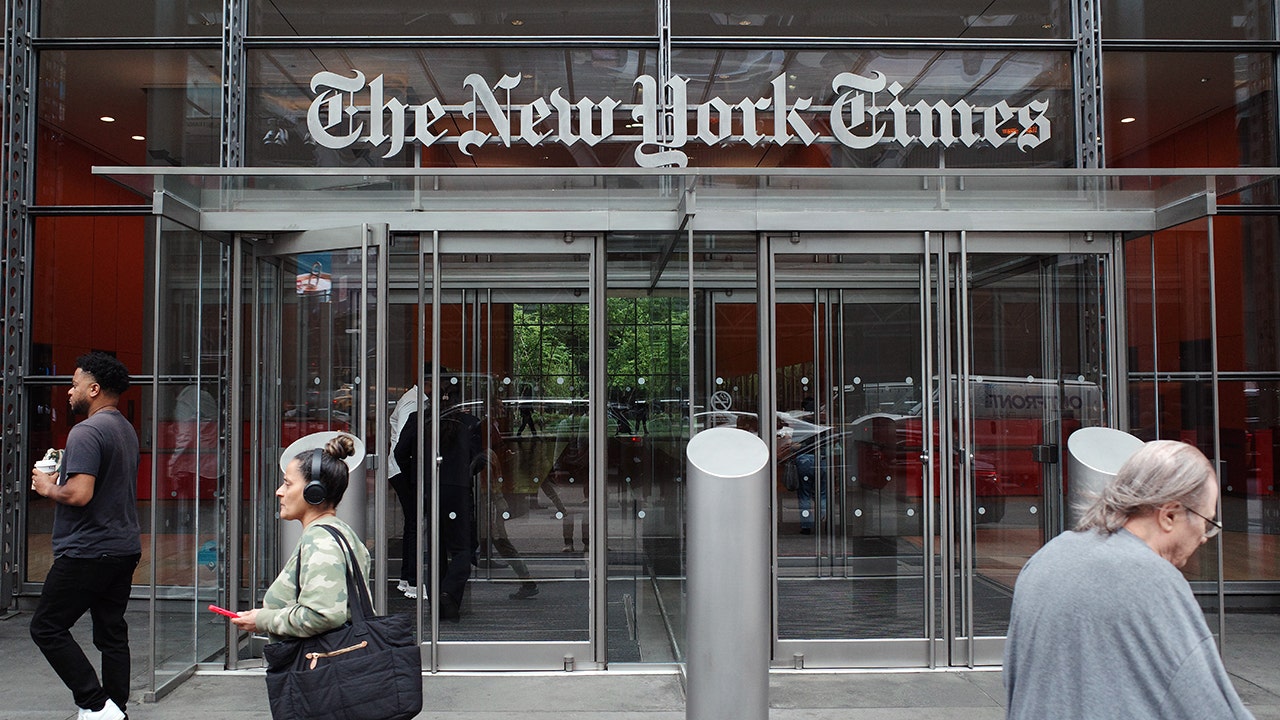
Reported facts: Fox News reports a House vote on an amendment by Rep. Thomas Massie to cut U.S. aid to Israel; the amendment did not pass. Fox quotes a New York Times line calling AIPAC a “hard‑right pro‑Israel lobbying group.” Fox quotes AIPAC’s stated mission and lists past Democratic speakers at AIPAC events. Attributed claims: critics on social media called the NYT characterization inaccurate; Fox states that AIPAC has been targeted by anti‑Israel progressives and that some advocates falsely claim AIPAC buys Israeli influence. Uncertainties: the Fox article does not include the New York Times' full article or direct response, nor does it include an AIPAC response or the official House roll‑call record as primary documentation.
Source and Framing Analysis
Source role: Fox News is the sole supplied reporter and frames the NYT description as surprising and, per the piece, widely criticized. Missing voices: the New York Times’ full text and context are not provided, AIPAC’s direct comment is absent, and independent verification of the House vote totals is not linked. Incentives and framing: Fox's audience is broadly conservative and the piece emphasizes critiques of a perceived liberal outlet (NYT); that incentive aligns with highlighting perceived mischaracterizations. Disputed claims: whether AIPAC should be labeled 'hard‑right' is contested; whether criticism of AIPAC equals legitimate policy critique or crosses into scapegoating/antisemitism is asserted but not empirically established in this article. What needs independent verification: the NYT article in full to confirm context, the official House roll call, and any AIPAC statements about its political orientation and donations.
Biblical Reflection
This story is primarily about media framing and political labeling. Journalists and commentators often use shorthand labels to situate organizations in a polarized landscape; such labels can be misleading when they obscure institutional history, membership, or purpose. AIPAC has long presented itself as a bipartisan lobby supporting U.S.–Israel ties, so calling it "hard‑right" reflects an interpretive choice rather than a plain factual statement about the group's origins or staffing. At the same time, the political climate after October 7 and rising partisan differences over support for Israel explain why some outlets and politicians are reinterpreting familiar institutions. From a Christian perspective, we should press for accuracy and resist quick tribal labels that reduce complex realities to slogans. We should also beware of rhetoric that can slip from policy critique into suspicion or stereotyping of a religious or ethnic community. Practically, Christians are called to pursue truth, speak lovingly, and protect the vulnerable from scapegoating — including Jewish neighbors and organizations — while holding institutions accountable with careful, fair analysis rather than partisan shorthand.
Scripture in context
- 1John 8:31–36 — Jesus is speaking to a group of Jews about the liberating power of his teaching and the relationship of truth to freedom; the passage sits within a dialogue about identity, authority, and what it means to live under God's word rather than mere human opinion. — In public discourse Christians are called to pursue truth as a form of freedom from misleading labels and slander; this challenges us to verify claims and to resist contributing to narratives that diminish neighbors rather than clarify facts.
Faithful Response
Verify: before accepting or passing along charged labels (e.g., 'hard‑right'), read the original source and primary documents (the NYT piece, AIPAC statements, House roll call).
Pray and listen: ask for humility and seek the perspectives of people directly affected (Jewish neighbors, those serving in government, and staff from organizations named).
Speak carefully: in conversations or social posts, prefer precise descriptions over sweeping labels and avoid repeating unverified accusations that could fuel prejudice.
Reflection and Discussion
- 1Which primary documents (the NYT article, AIPAC statements, House roll call) will you consult before forming a view, and how do those sources change your understanding?
- 2Does the article primarily challenge the accuracy of a label, or is it defending an institution — and how does that distinction affect your assessment?
- 3Are there risks that criticism of a political lobby could become or enable prejudice against the religious or ethnic community associated with it?
Sources
Reporting links are evidence inputs; Sanctuary News' biblical reflection is commentary.
This outlook currently relies on fewer than two linked sources. Broaden verification before teaching from it.
- 1.New York Times Calls AIPAC 'Hard‑Right' Groupprimary_reporting