News Summary
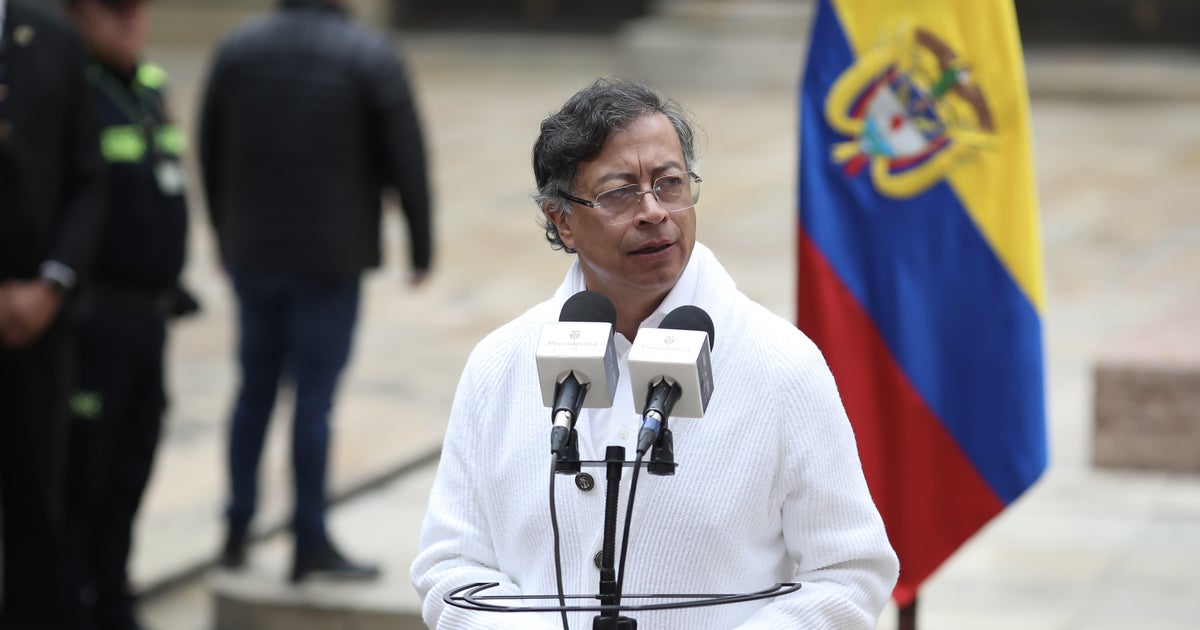
U.S. federal prosecutors in New York's Southern and Eastern districts are overseeing separate narcotics trafficking investigations in which Colombian President Gustavo Petro's name has surfaced, according to sources. The probes did not initially target Petro; they are in early stages and it is not clear whether he will face charges. Petro publicly denied any ties to drug traffickers, reiterated past denunciations of drug-politician links, and said campaign teams were instructed not to accept donations from drug traffickers or bankers. The article notes prior U.S. Treasury sanctions announced last October against Petro, members of his family (including his wife), and allies, alleging links to drug networks. Petro's son, Nicolás, was arrested in 2023 on money laundering and illicit enrichment charges and has admitted illegal funds entered his father's campaign while asserting Gustavo Petro's lack of knowledge; Nicolás is cooperating with Colombian authorities. Other Petro associates have faced investigations or scandals (e.g., campaign manager Ricardo Roa, Interior Minister Armando Benedetti, and former chief of staff Laura Sarabia). The White House did not request these investigations. The story is set against a backdrop of strained Petro–Trump relations, recent U.S. actions against Latin American leaders accused of crimes, and an intensified Justice Department focus on officials in the region.
Biblical Reflection
From a biblical perspective this story raises several overlapping concerns: the demand for truth and integrity in public life, the need for impartial justice, the dangers of corruption and the harm it does to the vulnerable, and the temptation for partisan demonization. Scripture repeatedly calls leaders to justice and faithfulness (e.g., Micah 6:8) and warns against the corrosive effects of bribery, dishonesty and alliances with crooked gain (Proverbs 17:23; Isaiah 1:23). At the same time, the Bible warns Christians against rushing to condemnation before evidence is established (Deuteronomy 19:15; Matthew 7:1) and calls us to pray for rulers and for wise, impartial judgment (1 Timothy 2:1–2). Practically: we should welcome legitimate investigation where it pursues truth and protects the innocent, insist on due process rather than political show trials, and resist using allegations as tools of partisan victory. We must also feel compassion for victims of corruption—those whose lives and communities suffer when drug economies flourish—and press for restorative changes that address root causes (poverty, impunity, demand for drugs). For Christians in Colombia, the U.S., and beyond, the faithful posture is to seek truth, speak for justice, care for the afflicted, pray for repentance where sin is found, and hold leaders accountable without becoming instruments of slander or self-righteousness.
Scripture in context
This outlook does not yet include contextual Scripture citations. Do not treat a general biblical theme as an exegetical conclusion.
Faithful Response
No prescribed response is offered. Consider the reflection prompts below in your own church context.
Reflection and Discussion
- 1How can I hold political leaders accountable for justice and integrity while avoiding partisan slander or premature judgment?
- 2In what ways does my prayer and action reflect concern for victims of corruption (the poor, drug-affected communities) as well as a desire for truth?
- 3If wrongdoing is proven, how can the church call for both just consequences and opportunities for repentance and restoration?
Sources
Reporting links are evidence inputs; Sanctuary News' biblical reflection is commentary.
This outlook currently relies on fewer than two linked sources. Broaden verification before teaching from it.
- 1.Original reportprimary