News Summary
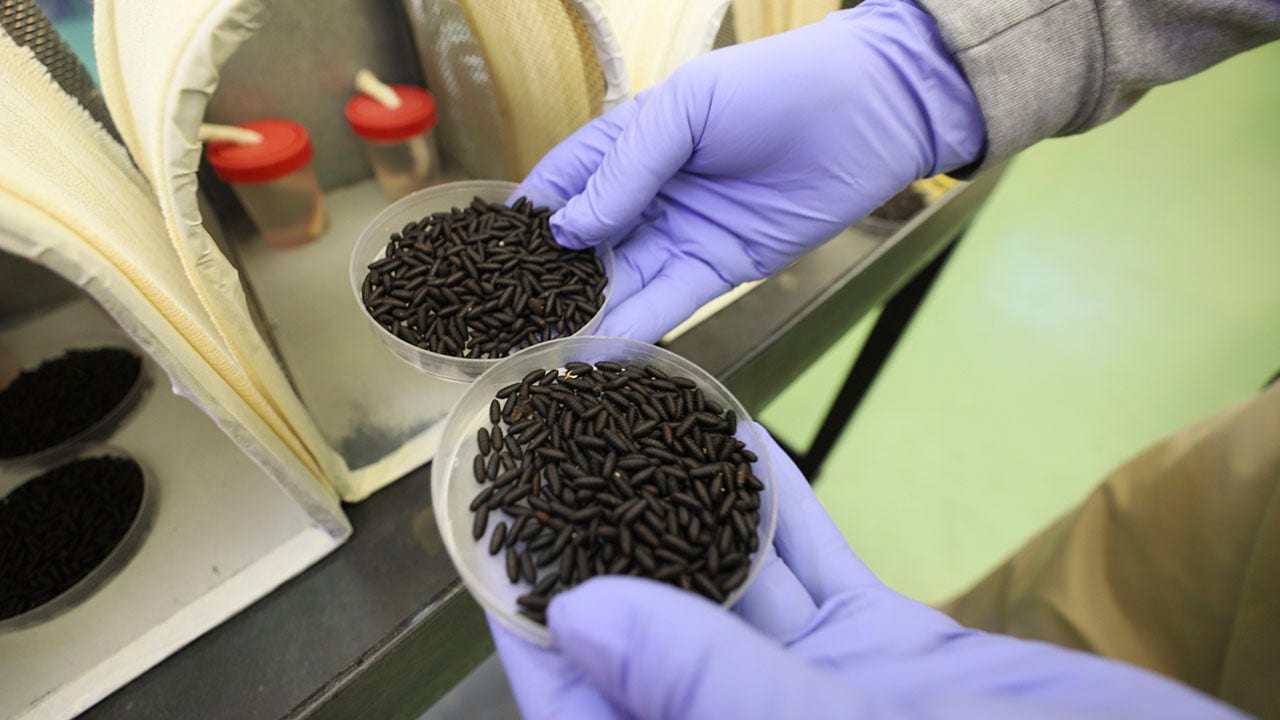
This Fox News opinion piece reports that the New World screwworm has been detected again on U.S. soil, with at least two confirmed cases in Texas cattle following the parasite's spread through Central America and southern Mexico. The article states that Mexican authorities first confirmed cases in November 2024 and cites figures of more than 171,700 animal cases and over 2,070 human cases across Mexico and Central America (figures presented by the article and attributed to Mexican and regional reports). It reports U.S. regulatory responses including a pause in live cattle imports from Mexico and quotes U.S. Agriculture Secretary Brooke Rollins emphasizing food security concerns. The authors claim the outbreak followed a 2021 breakdown of a biological containment barrier associated with large migrant movements through the Darién Gap and argue that cartel-controlled smuggling corridors and illicit cattle trade have allowed infested animals to move northward. The article provides estimates (as stated by the authors) that cartels move roughly 800,000 cattle per year via illicit channels valued at about $320 million, and that Mexico exported 1.25 million head of live cattle to the U.S. in 2024 while increasing processed-beef exports in early 2026. The piece frames these developments as a national-security and food-security threat, critiques Mexican government cooperation as selective, and recommends stronger border- and trade-linked defenses; it is authored by two fellows from the Texas Public Policy Foundation with backgrounds in border enforcement and national security.
Biblical Reflection
The article highlights a genuine public‑health and agricultural threat: a reappearance of a parasite once eradicated from the U.S. can harm animals, affect human health in limited cases, and disrupt trade. Those concrete risks deserve serious, science‑based responses—surveillance, veterinary controls, quarantines, and international cooperation. At the same time, this is an opinion piece that mixes documented health and trade data with contested geopolitical claims (for example, labeling migration and smuggling corridors as an intentional 'gray‑zone' weapon). Christians should insist on truth: verify epidemiological and trade figures with public agencies (USDA, CDC, OIE) and distinguish confirmed facts from policy interpretation or partisan framing. Pastoral prudence also warns against narratives that conflate migrants with disease or that demonize entire nations; the vulnerable—farmers, agricultural workers, migrants, and border communities—deserve protection and compassion. Practically, a faithful response holds both convictions: defend and steward creation and the common good (protect livestock, food supply, and public health) while resisting scapegoating and advocating humane, cooperative cross‑border solutions that serve neighbors on both sides.
Scripture in context
This outlook does not yet include contextual Scripture citations. Do not treat a general biblical theme as an exegetical conclusion.
Faithful Response
No prescribed response is offered. Consider the reflection prompts below in your own church context.
Reflection and Discussion
- 1Which claims in this piece are supported by public health or trade agency data, and which are policy interpretations or conjecture?
- 2How does framing an outbreak as a security 'attack' change public attitudes toward migrants, cross‑border cooperation, and aid to affected communities?
- 3Can we pursue strong biosecurity and border enforcement while still honoring compassion for migrants and partnering with neighboring countries to address root causes?
Sources
Reporting links are evidence inputs; Sanctuary News' biblical reflection is commentary.
This outlook currently relies on fewer than two linked sources. Broaden verification before teaching from it.
- 1.Original reportprimary