News Summary
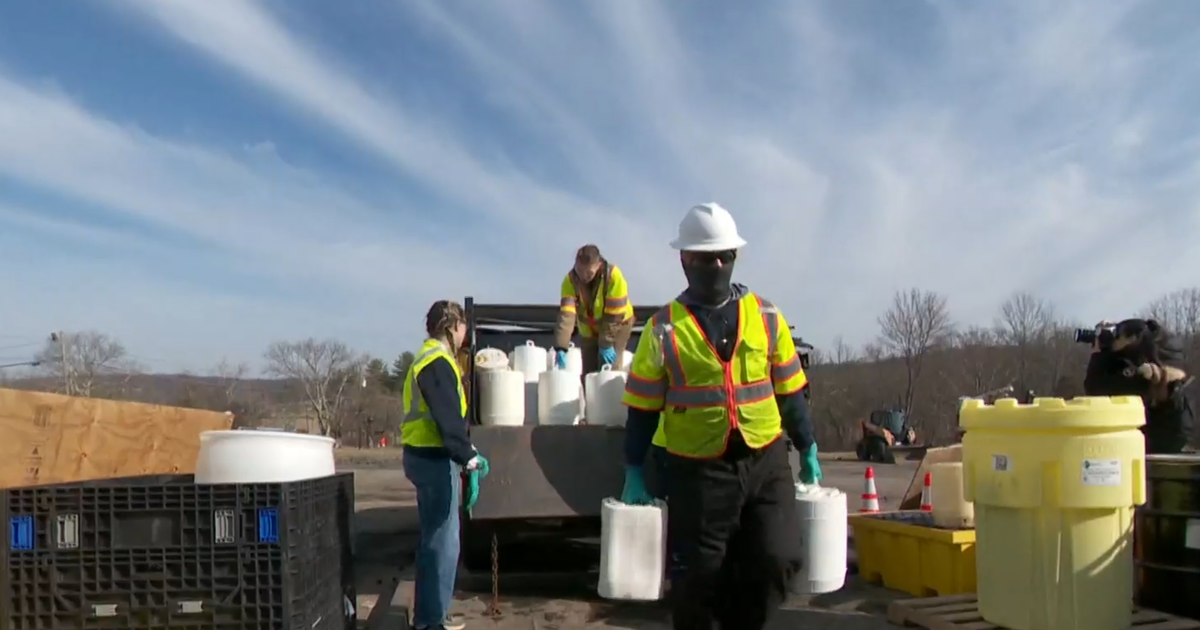
New Jersey is among more than a dozen states collecting, removing, and destroying aqueous film-forming foam (AFFF) that contains PFAS chemicals. The state has collected more than 150,000 gallons of AFFF from fire stations; the foam has been trucked to Revive Environmental in Ohio, which says it destroys PFAS using supercritical water reactors and produces clean water as an output. AFFF has been used by many departments since the mid-1980s; PFAS were also present in some firefighter protective gear. Studies link PFAS exposure to higher cancer rates among firefighters. Burlington County volunteers disposed of 580 gallons from one station and tested blood showing higher-than-average PFAS levels. Firefighters are adopting PFAS-free alternatives (one soy-based foam) that reportedly require greater volume but can extinguish fires. The report includes personal accounts of a volunteer chief and a retired firefighter diagnosed with colon cancer in 2024.
Biblical Reflection
The article reports a concrete public-health and environmental response to known chemical contamination affecting a clearly vulnerable group: firefighters. The human-interest framing (local chiefs, a retired firefighter with cancer) rightly centers those most affected, but readers should note limits of the report: reporting does not establish direct causation between individual cancers and PFAS exposure, nor does it independently verify the long-term effectiveness or byproducts of the destruction technology. From a Christian perspective, this story summons several responsibilities: pursue truth by demanding independent testing and transparency about both health risks and disposal methods; show mercy by providing medical monitoring, treatment, and financial support to affected firefighters and families; steward creation by preventing further environmental contamination and ensuring disposal methods are safe; and act courageously and humbly in advocating policy changes that protect frontline workers. The article aligns with objective concerns about persistent pollutants but leans into personal fear and urgency, which is appropriate for those harmed; Christians should hold that urgency to the twin standards of compassion and careful truth-seeking.
Scripture in context
This outlook does not yet include contextual Scripture citations. Do not treat a general biblical theme as an exegetical conclusion.
Faithful Response
No prescribed response is offered. Consider the reflection prompts below in your own church context.
Reflection and Discussion
- 1What independent tests and public records would I ask for to verify claims about PFAS destruction and residual risk?
- 2Who—manufacturers, regulators, employers, or the military—bears responsibility for prevention, testing, and care, and how should communities pursue accountability?
- 3How can Christians balance urgency to protect workers with patient, evidence-based advocacy that avoids panic or false certainty?
Sources
Reporting links are evidence inputs; Sanctuary News' biblical reflection is commentary.
This outlook currently relies on fewer than two linked sources. Broaden verification before teaching from it.
- 1.Original reportprimary