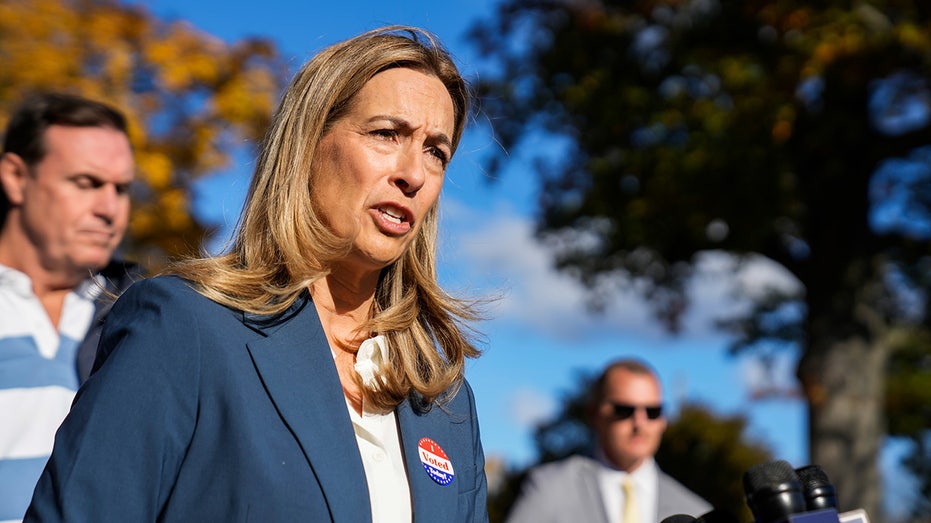
News Summary
Reported fact: New Jersey removed 6,600 registered voters identified as noncitizens whose registrations dated between June 2023 and June 2024 (Fox News). Attributed claims: the article states these registrants were 'eligible to cast a ballot for the 2024 election' in the sense they were on rolls during the eligibility window; the supplied reporting does not show whether any of the removed registrants actually voted, nor does it describe the verification or notification process. Uncertainty: the method used to identify noncitizens, whether removals were contested or appealed, and whether any wrongful removals occurred are not addressed in the supplied report.
Source and Framing Analysis
The supplied article is a single-item report that highlights a numerical removal from voter rolls but lacks procedural detail. That framing emphasizes corrective action (removal of noncitizens) without explaining the evidence or safeguards that produced the result. Material uncertainties that affect the story include: how officials identified noncitizens (data match, self-attestation, agency records), whether removals followed statutory procedures and gave notice, and whether any registrants were mistakenly removed. Because those elements are missing, the piece gives an incomplete picture for judging accuracy, fairness, or broader electoral consequences.
Biblical Reflection
This report touches on two enduring civic concerns for Christians: the integrity of civic institutions and the call to truth and fairness in public life. The factual core—removal of 6,600 registrants identified as noncitizens—if accurate, reflects an administrative correction to the voter rolls. However, the article as supplied omits key procedural details that matter morally and practically: how people were identified as noncitizens, whether due process and notice were provided, and whether any were wrongly removed.
Christian discernment here emphasizes both truth and mercy. Truth requires clarity about facts and methods so public trust is not undermined by error or sloppy process. Mercy calls us to consider the human consequences for those affected—being wrongly removed from rolls can silence lawful voters and harm vulnerable residents. Christians should press for transparent procedures that protect lawful voting access while upholding the rule of law, resisting both careless alarmism and complacency about administrative mistakes.
The underlying worldview shaping the article is largely procedural and accountability-focused: it spotlights a numerical correction to rolls without exploring systemic causes or safeguards. Read this kind of item as a prompt to ask for fuller information rather than as a settled verdict about fraud or misconduct. Seek verified, detailed reporting and official documents before drawing definitive civic judgments.
Scripture in context
- 1Luke 10:25-37 (Parable of the Good Samaritan) — A teacher of the law asks Jesus who qualifies as a neighbor; Jesus tells a story in which a Samaritan—considered an outsider—shows mercy to an injured man while religious leaders pass by. The passage challenges readers to extend practical care across social boundaries. — The passage calls Christians to balance concern for public order with concrete compassion for individuals. In civic matters—like voter registration—this urges us to seek accurate systems and enforcement that do not dehumanize or unjustly exclude people, and to consider the human consequences of administrative actions.
Faithful Response
Pray for clarity and for officials involved, then seek verified information from election authorities before sharing strong judgments.
Contact local election offices or review public notices to understand the process and any recourse for those removed.
Advocate for transparent verification procedures and accessible appeal/notification channels so eligible voters are not disenfranchised by administrative error.
Model patience and restraint in public commentary — prioritize verified facts and avoid amplifying unconfirmed claims.
Reflection and Discussion
- 1What additional information about the identification and removal process would you need to judge whether this action was just and accurate?
- 2How does my desire for election integrity balance with concern for due process and the rights of those who may be wrongly affected?
- 3In what ways should Christian civic engagement prioritize both truthful oversight and compassionate protection of neighbors who may be marginalized?
Sources
Reporting links are evidence inputs; Sanctuary News' biblical reflection is commentary.
This outlook currently relies on fewer than two linked sources. Broaden verification before teaching from it.
- 1.New Jersey removes 6,600 people from voter rolls who were eligible to cast a ballot for 2024 electionprimary_reporting