News Summary
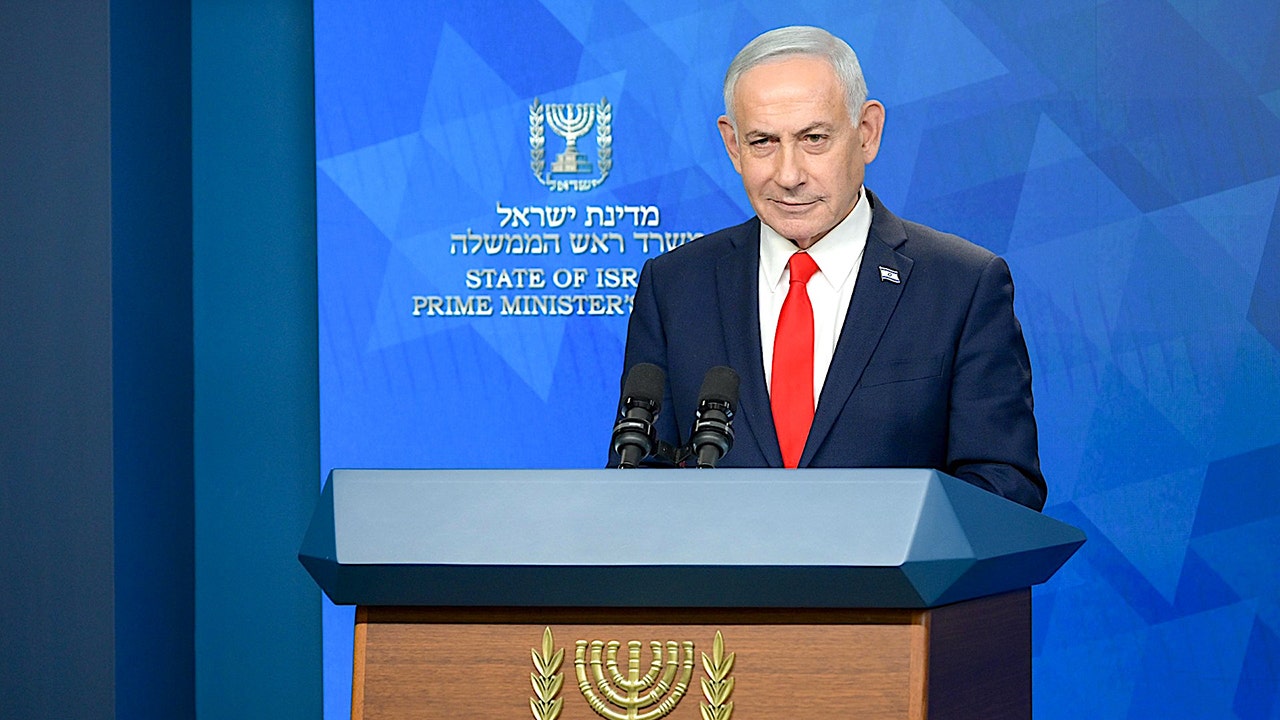
Israeli Prime Minister Benjamin Netanyahu urged U.S. President Donald Trump not to reopen Turkey's access to U.S.-made F-35 fighter jets, calling Turkish President Recep Tayyip Erdoğan a security risk because of Erdoğan's rhetoric toward Israel, alleged support for Hamas, and threats toward other NATO members. Netanyahu warned that providing Turkey with F-35s or jet engines would upset the balance of power in the Middle East and undermine Israel's air superiority and regional security. The remarks came as Trump signaled willingness to revisit Turkey's participation in the F-35 program after Ankara had been removed previously for buying a Russian S-400 missile system. Netanyahu also criticized Iran's leadership, citing hostile chants at funerals and warning against Iranian nuclear and missile capabilities. The report is sourced to Fox News and quotes Netanyahu's public statements at a press appearance ahead of a NATO summit in Ankara.
Biblical Reflection
The article reports a clear, security-focused perspective from Israel's prime minister and frames it through U.S.–NATO policy questions. Netanyahu's claims reflect real diplomatic tensions—Turkey's 2019 S-400 purchase did trigger U.S. removal of Ankara from the F-35 program, and Turkey's recent rhetoric and policy choices have strained relations with some NATO members. At the same time, the piece largely presents Netanyahu's assessments as authoritative without independent corroboration of some charged claims (for example, specific characterizations of officials' statements or casualty figures referenced elsewhere). The underlying worldview here is one of realpolitik and preventive security: prioritize military advantage and alliance trust to deter threats. From a Christian pastoral lens, that emphasis on protecting life and community is important, but it must be balanced with caution about demonizing opponents, the temptation to simplify complex alliances, and the moral cost of escalation. Christians should seek truth—distinguishing verified facts from political rhetoric—while praying for restraint, wise counsel, and avenues for de-escalation that protect the innocent. We should also be mindful that policy choices around arms and alliances have human consequences beyond strategic calculations, affecting civilians and prospects for peace.
Scripture in context
This outlook does not yet include contextual Scripture citations. Do not treat a general biblical theme as an exegetical conclusion.
Faithful Response
No prescribed response is offered. Consider the reflection prompts below in your own church context.
Reflection and Discussion
- 1Whose security and which communities are centered by this framing, and whose perspectives are missing or minimized?
- 2How much of the article relays verified facts versus a single leader’s political warnings, and how does that affect how we weigh the claims?
- 3Will denying or supplying advanced weapons reduce threats or risk escalating regional tensions — and how should moral concern for civilians shape that choice?
Sources
Reporting links are evidence inputs; Sanctuary News' biblical reflection is commentary.
This outlook currently relies on fewer than two linked sources. Broaden verification before teaching from it.
- 1.Original reportprimary